Tiny Home Rentals Near Major Events Face Complex Local Regulations
New Orleans and Austin homeowners eyeing backyard ADUs as festival-season rentals hit a wall of permit categories, owner-occupancy rules, and lodging tax requirements.

Parking a 400-square-foot backyard unit behind your New Orleans shotgun house and listing it during Jazz Fest sounds straightforward. The regulatory reality, according to Factory Direct Tiny Homes, is considerably more complicated.
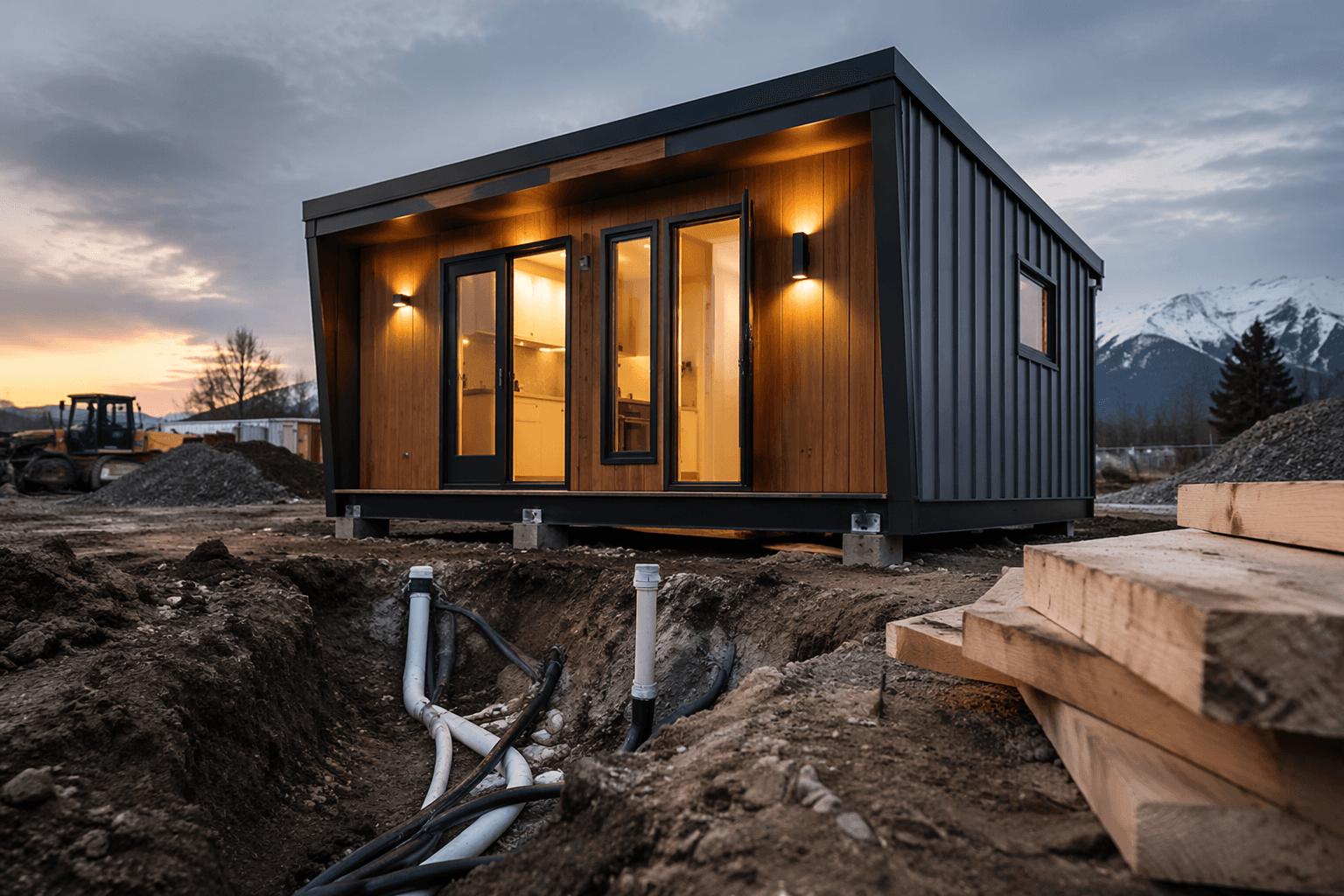
The factory-built ADU seller issued guidance on March 6, 2026, directed at property owners in what it calls "event-driven cities," places like New Orleans and Austin where festivals, conventions, collegiate sports, and seasonal tourism create predictable surges in visitor demand. The pitch is intuitive: detached backyard tiny homes, typically running 350 to 500 square feet with private entrances, bathrooms, and compact kitchenettes, could capture that demand without the overhead of a traditional rental property. But Factory Direct Tiny Homes led with a caution rather than a sales pitch.
"Interest in detached backyard units has grown in areas where event calendars drive consistent visitor traffic," said a company spokesperson. "However, regulatory compliance is essential. Homeowners must confirm zoning allowances, short-term rental permitting, and tax registration requirements before pursuing this strategy."
That warning carries weight in a city like New Orleans, where the municipal code already distinguishes between specific short-term rental permit categories, enforces owner-occupancy requirements, and maintains active enforcement mechanisms. Karen Brem, Factory Direct Tiny Homes' marketing director, put it plainly: "In event-driven regions, interest in backyard units continues to grow, but compliance with local ordinances remains essential." Austin and other metropolitan markets carry comparable regulatory frameworks, the company noted, though the specific rules differ neighborhood by neighborhood.
The guidance identifies six areas where homeowners need to do their homework before breaking ground or posting a listing: zoning ordinance review for ADUs specifically, short-term rental eligibility confirmation within their district, permit application requirements and any caps on available permits, state and local lodging tax registration, insurance coverage implications, and parking and neighborhood impact. Each of those categories can dead-end a project if left unexamined. A unit that clears zoning might still fall outside the short-term rental eligibility zone. A permitted rental might trigger lodging tax obligations the owner never anticipated.

In certain jurisdictions, Factory Direct Tiny Homes noted, backyard structures can be permitted for short-term rental use once zoning, licensing, and tax requirements are all satisfied. The word "all" is doing significant work there.
The company also flagged that backyard tiny homes carry use cases beyond weekend rentals: guest housing, home offices, wellness studios, and longer-term rentals where local ordinances allow. That flexibility matters in markets where short-term rental permit caps or owner-occupancy rules might close off the Airbnb route entirely, leaving longer-term tenancy as the more viable path to recouping construction costs.
For anyone already deep in the tiny-home-as-STR dream, the unsexy first step remains the same: pull up the municipal code for your specific district before the slab gets poured.
This article was produced by Prism’s automated news system from verified source data, official records, and press releases, then run through automated quality and moderation checks before publishing. The system is built and supervised by the people who set the standards it runs under. Read our full AI policy.
Did this article answer your question?