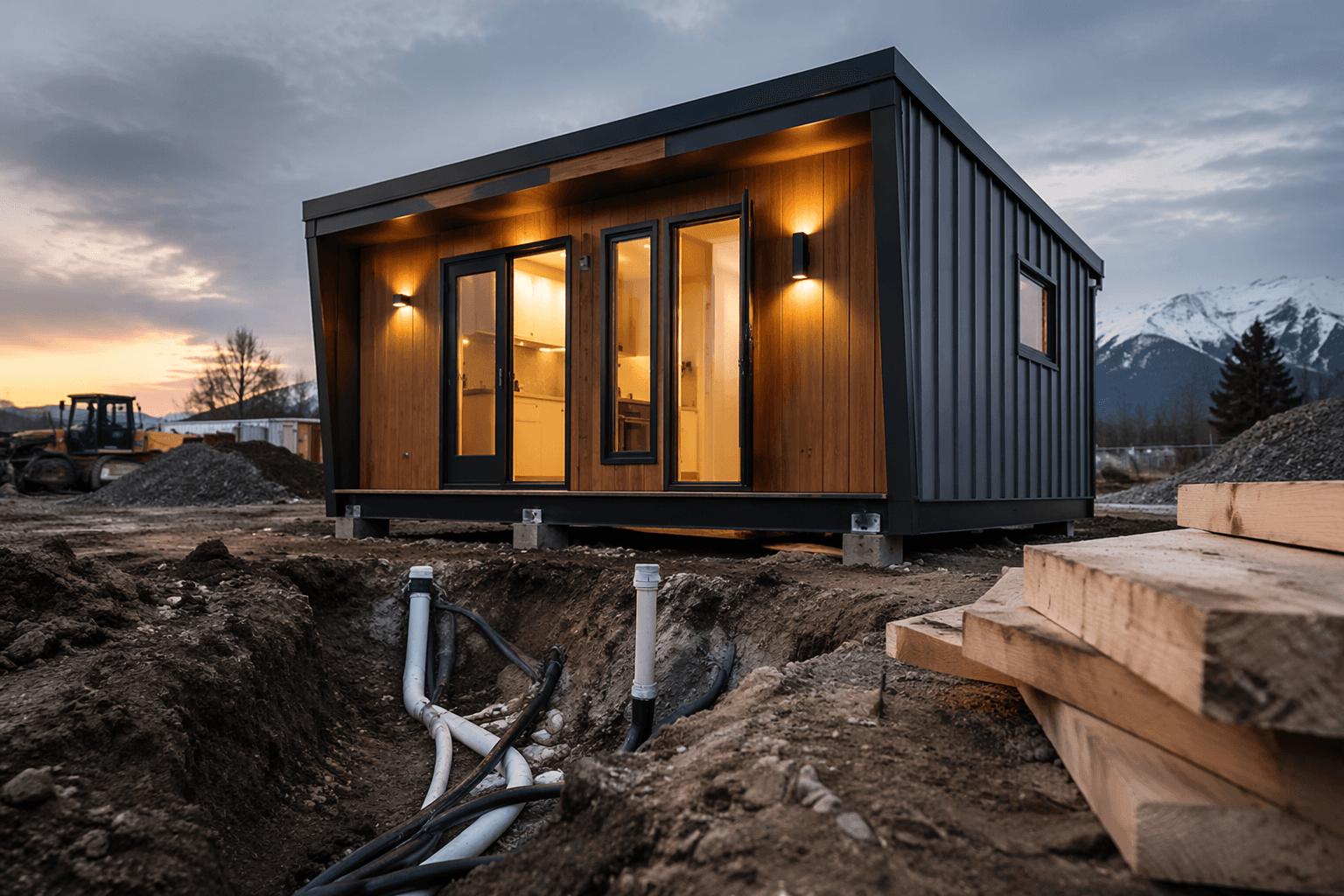
Tiny Homes Converted into Low-Overhead Massage Studios on Gulf Coast
Tiny homes are being converted into low-overhead massage studios on the Mississippi Gulf Coast, giving solo therapists a cheaper, flexible alternative to high commercial rents.
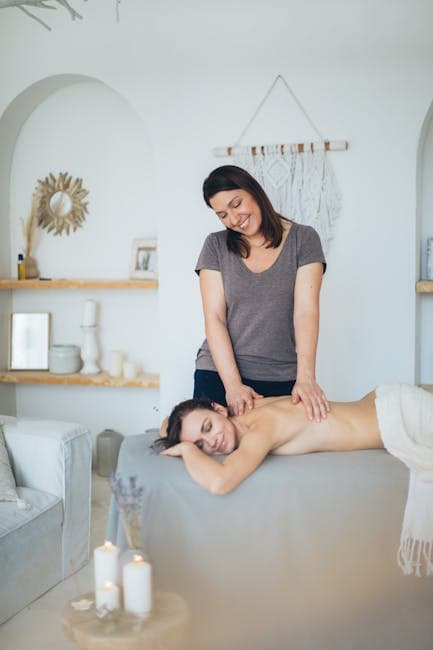
A small-home trend is taking hold on the Mississippi Gulf Coast as tiny homes under 300 sq ft are being adapted into dedicated massage-therapy and solo-wellness studios. Builders are pitching these pocket-sized practices as a way for massage therapists to cut overhead while keeping a professional treatment environment close to home or on leased lots.
Factory Direct Tiny Homes issued a company press release on Jan 16, 2026 outlining the typical therapy-specific fit-outs being offered. Standard packages focus on a single treatment room with climate control, handwashing access, sound insulation and aromatherapy hookups, plus built-in storage for linens and supplies. The company also highlighted a viewing site in Bay St. Louis where practitioners can inspect finished models and evaluate layout, flow and equipment placement in person.
The appeal is practical. Commercial rents and long-term leases are a persistent barrier for solo therapists and small wellness businesses. A tiny-home studio reduces monthly occupancy costs and allows practitioners to scale their practice at a pace that fits their client base. The compact footprint makes it easier to site a studio in a backyard, on a small lot or within a mixed-use property where zoning allows, turning unused space into billable table time.
From a service-delivery perspective, the listed features address core needs for a compliant, client-ready studio. Climate control and handwashing access support client comfort and basic sanitation. Sound insulation preserves privacy in a one-on-one practice. Aromatherapy hookups and targeted storage keep the treatment area organized and efficient, which matters when every square foot counts.
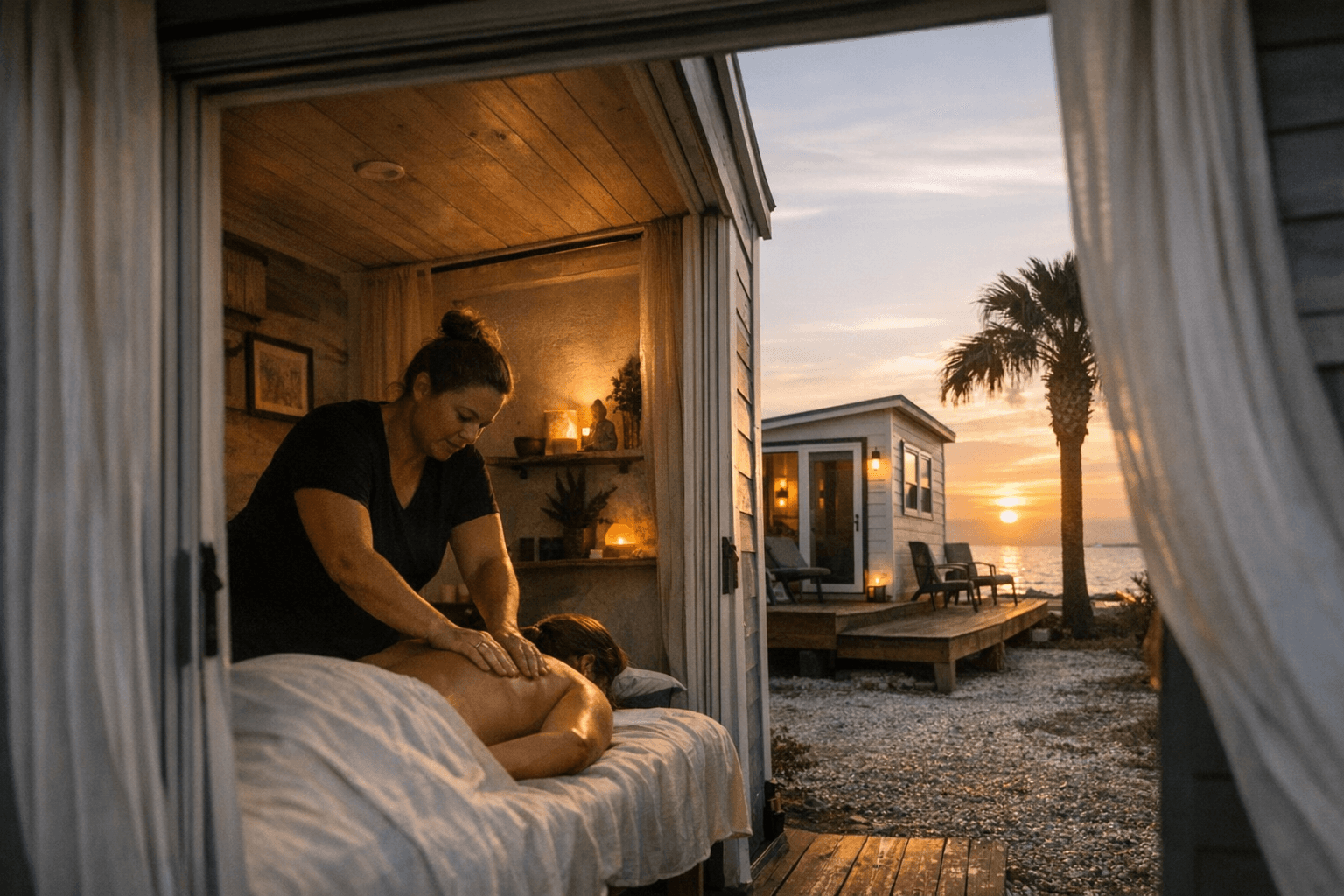
The regional scene on the Gulf Coast appears to be an early-adopter market for this approach. Local practitioners and prospective studio owners are being invited to view models in Bay St. Louis to better understand workflow and client experience in a compact setting. Because this announcement came via an industry press release, the offering is promotional in nature; independent buyers may want to verify build specs, materials and warranty details before committing.
If you are a massage therapist considering a tiny-house studio, inspect the layout in person, confirm plumbing and electrical details, and check local zoning, permitting and health code requirements before opening. For many solo practitioners, a properly outfitted tiny home can lower startup costs, shorten ramp-up time and create a more flexible practice model. Expect to see more experimentation with micro-studios as therapists look for ways to keep overhead low while improving client convenience.
This article was produced by Prism’s automated news system from verified source data, official records, and press releases, then run through automated quality and moderation checks before publishing. The system is built and supervised by the people who set the standards it runs under. Read our full AI policy.
Did this article answer your question?