Tiny homes for seniors prioritize comfort, safety, and aging in place
The best senior tiny homes cut stairs, not comfort, with single-level layouts, main-floor bedrooms, and bathrooms that still work when mobility changes.
A loft looks clever in a tiny-house listing, but for older buyers it can become the first feature to age out. A tiny home only works for seniors when the floor plan assumes mobility will change. The good ones feel smaller, not compromised, because they put the bedroom, bath, storage, and daily living spaces where you can reach them without a ladder, a hard turn, or a long carry across the house.
What actually makes a tiny home senior-friendly
The practical test is simple: can you live there safely if climbing gets harder next year? Aging in place means staying in your own home as you get older, and living at home takes careful planning. That is exactly where so many tiny-house plans fail.
The features that matter most are the ones that reduce strain before strain becomes a problem. Single-level layouts, main-floor bedrooms, wider doorways, open plans, walk-in or roll-in showers, and reachable storage all do real work. So do low-maintenance materials and efficient heating and cooling, because a home that is easy to clean and easy to keep comfortable is easier to stay in.
Bathrooms deserve the hardest look. A senior-friendly tiny house needs a shower you can step into without drama, room for a grab bar if needed, and circulation space that does not force awkward twists. Storage should sit within arm’s reach, not up in a sleeping loft or over a steep stair run. If the floor plan depends on balance, climbing, or hauling laundry upstairs, it is not built for aging in place, no matter how many times the brochure says otherwise.
Why the tiny-house conversation has shifted
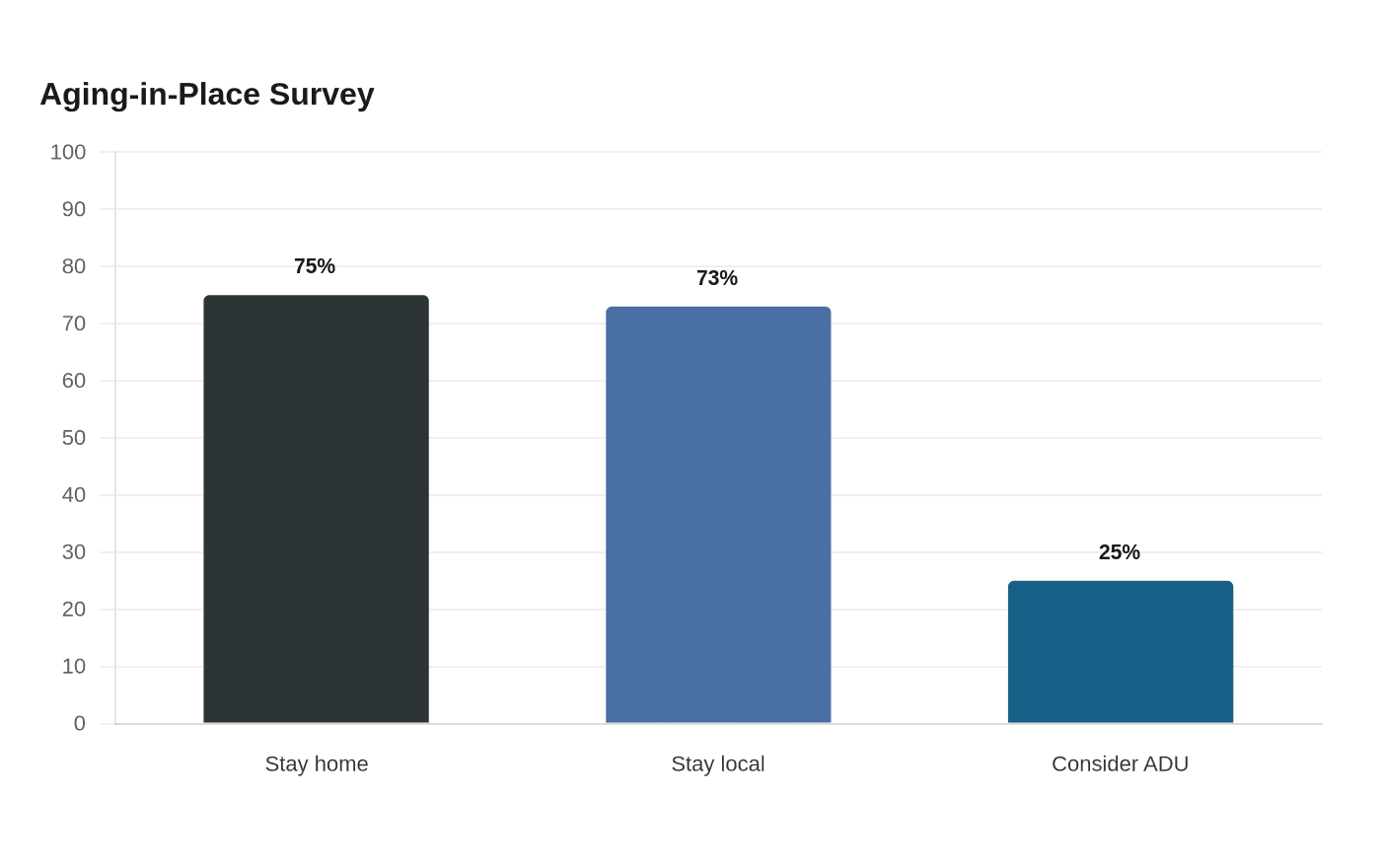
This is not just a design trend for minimalists. A 2024 AARP survey found that 75% of Americans age 50 and older want to stay in their current homes as they age, and 73% want to remain in their communities. AARP found that one in 4 homeowners age 50 and older have considered building an accessory dwelling unit, which makes sense when you look at the uses: staying on your property, staying in your neighborhood, or creating nearby space for a caregiver or family member.
The housing need is bigger than preference. In October 2023, the U.S. Census Bureau estimated that about 4 million U.S. households with an adult age 65 or older had difficulty living in or using some features of their home. Its 2020 report found that only about 10% of U.S. homes had key features that could accommodate older residents.
Public policy has been circling this idea for decades. The U.S. Department of Housing and Urban Development has been promoting universal design and broader accessibility since at least the mid-1990s.
The examples that get the details right
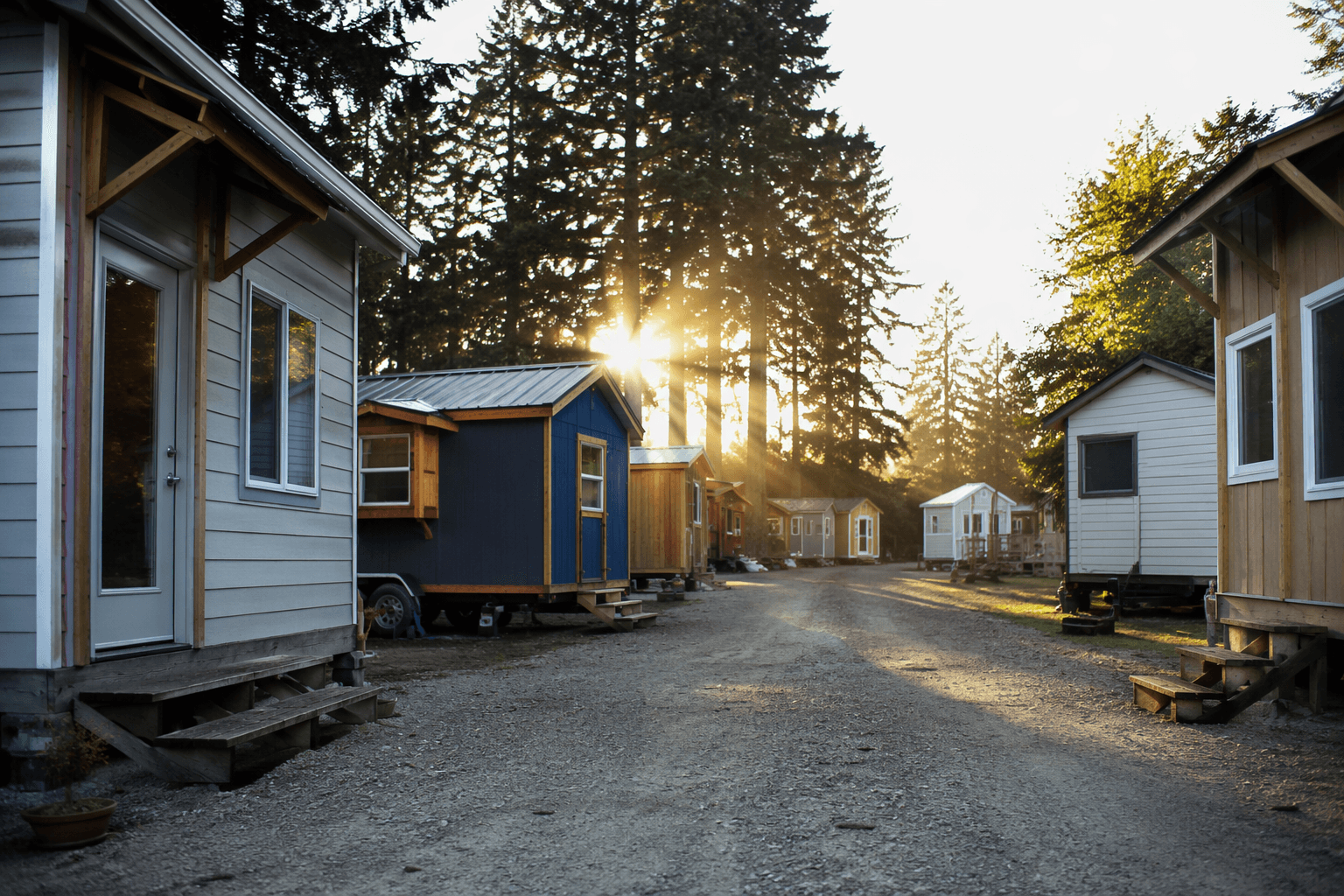
The most convincing senior-friendly tiny homes are the ones that give up the loft and keep the living experience on one level. The Justine by Craft House does that plainly, with a ground-floor bedroom and no ladder in sight. The Surya, a 32-foot tiny house, lives more like a small apartment, which is the right benchmark for older buyers who want comfort without climbing gymnastics. The Eire takes the same idea and strips it down further.
The Tallebudgera by Removed Tiny Homes and Linda’s Off-Grid Single Level Tiny House keep the living core on the main floor.
Dan Louche’s mother’s tiny house remains the foundational example because it was built from a real care need, not a trend cycle. Louche said he built the single-level home after his mother dealt with health problems from mold in her previous house. The project was discussed in September 2010 and later resurfaced in May 2011 as a tiny house without a sleeping loft.
What to look for before you buy or build
A senior-ready tiny house should pass a blunt checklist, not a vibe check. The right questions are physical, not aesthetic.
- Can you enter without steps or with a truly manageable threshold?
- Is the main bedroom on the first floor, or are you expected to live in a loft?
- Can you move through the bathroom safely, with room for a walk-in or roll-in shower?
- Are the doorways and circulation paths wide enough for a walker or future mobility aid?
- Is storage reachable without climbing, stretching, or using a stool?
- Are the materials and mechanical systems simple enough to keep up with as energy and strength change?
Those details matter because falls are not a theoretical worry. The National Institute on Aging says more than one in four people age 65 and older fall each year, and CDC materials call falls the leading cause of injury death for adults 65 and older. The CDC also says falls among adults 65 and older caused over 38,000 deaths in 2021 and nearly 3 million emergency department visits.
This article was produced by Prism’s automated news system from verified source data, official records, and press releases, then run through automated quality and moderation checks before publishing. The system is built and supervised by the people who set the standards it runs under. Read our full AI policy.
Did this article answer your question?