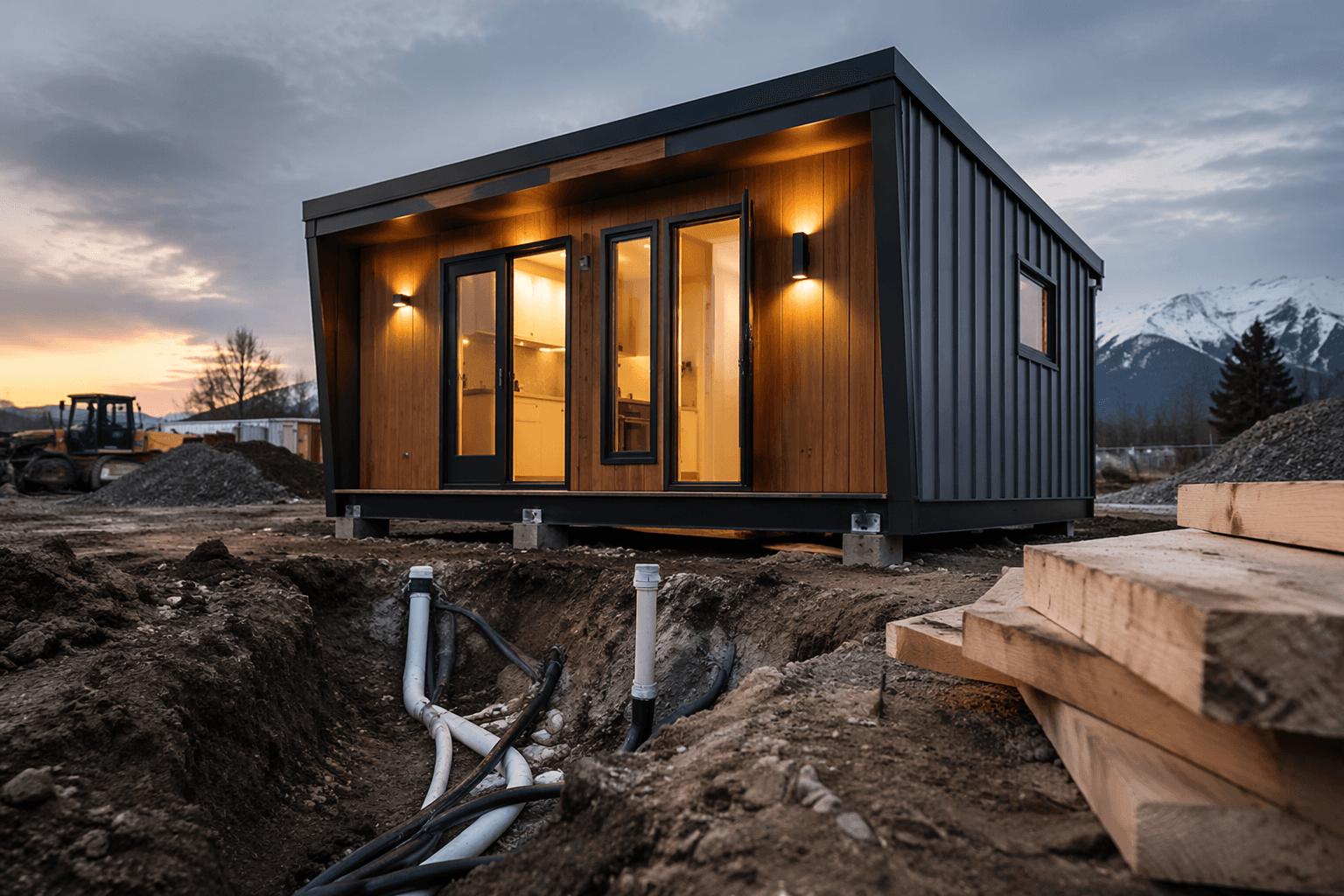
TinyHouse.com Guide Explains Texas Tiny Homes on Wheels Rules, Permits
Texas tiny homes on wheels face a patchwork of rules that change permits, hookups and occupancy; verify local code language early to avoid costly rework.

Texas tiny homes on wheels operate inside a regulatory patchwork that can change a project from quick to complicated depending on how a jurisdiction classifies the unit. Classification as a recreational vehicle (RV) versus a residential structure determines which plumbing, mechanical and building rules apply, which permit pathway you must follow, and whether a unit can be used seasonally or as a long-term dwelling.
At the state level, plumbing and mechanical requirements apply to THOWs in many cases, but local governments often add their own standards for park-models, accessory dwelling units (ADUs) and trailer-mounted homes. That local overlay means cities and counties in Texas may require different hookups, inspections and documentation. Municipal approaches fall into two broad buckets: short-term permitting aimed at temporary or seasonal use, and long-term occupancy rules that treat a THOW like a home and trigger residential code requirements.
Verify local ordinance language at the outset. Confirm how your county or city defines a THOW, park-model, ADU or trailer-mounted home. Ask building or planning staff which classification applies to your design and which permits you will need. Specifically ask about required hookups for sewer, water and electric and whether on-site hookup standards force changes to foundations, trailer connections or utility meters. Document allowable use in writing from local officials - seasonal, temporary, or permanent use designations are not interchangeable and they carry different inspection and permit regimes.
Follow clear steps to reduce risk of costly rework. Confirm definitions with the jurisdiction before you buy or build. Request the exact permit pathway and a list of required inspections. Get written confirmation of hookup requirements and acceptable utility configurations. If you plan to park a THOW in a park-model community or use it as an ADU, obtain the zoning approvals and any recorded restrictions that affect occupancy. Consult local building officials early and often to reconcile state plumbing and mechanical rules with municipal ordinances.
Practical value for owners and builders is immediate: clear classification reduces surprises at inspection, correct hookups prevent forced alterations, and documented allowable use protects you from fines or forced removal. For communities, consistent expectations reduce conflict between neighbors, landlords and code departments.
What this means for readers is simple and actionable: treat classification as the first design decision, secure written confirmation of permit and hookup requirements, and engage code officials before the trailer tongue hits the curb. Doing that up front keeps projects moving, preserves budgets, and protects the livability that draws people to tiny homes in the first place.
This article was produced by Prism’s automated news system from verified source data, official records, and press releases, then run through automated quality and moderation checks before publishing. The system is built and supervised by the people who set the standards it runs under. Read our full AI policy.
Did this article answer your question?