Tru Form Tiny’s Craftsman Kootenay aims to make downsizing feel luxurious
The 24-foot Craftsman Kootenay turns a tiny footprint into a polished home, using light, storage, and a smart layout to make downsizing feel like an upgrade.
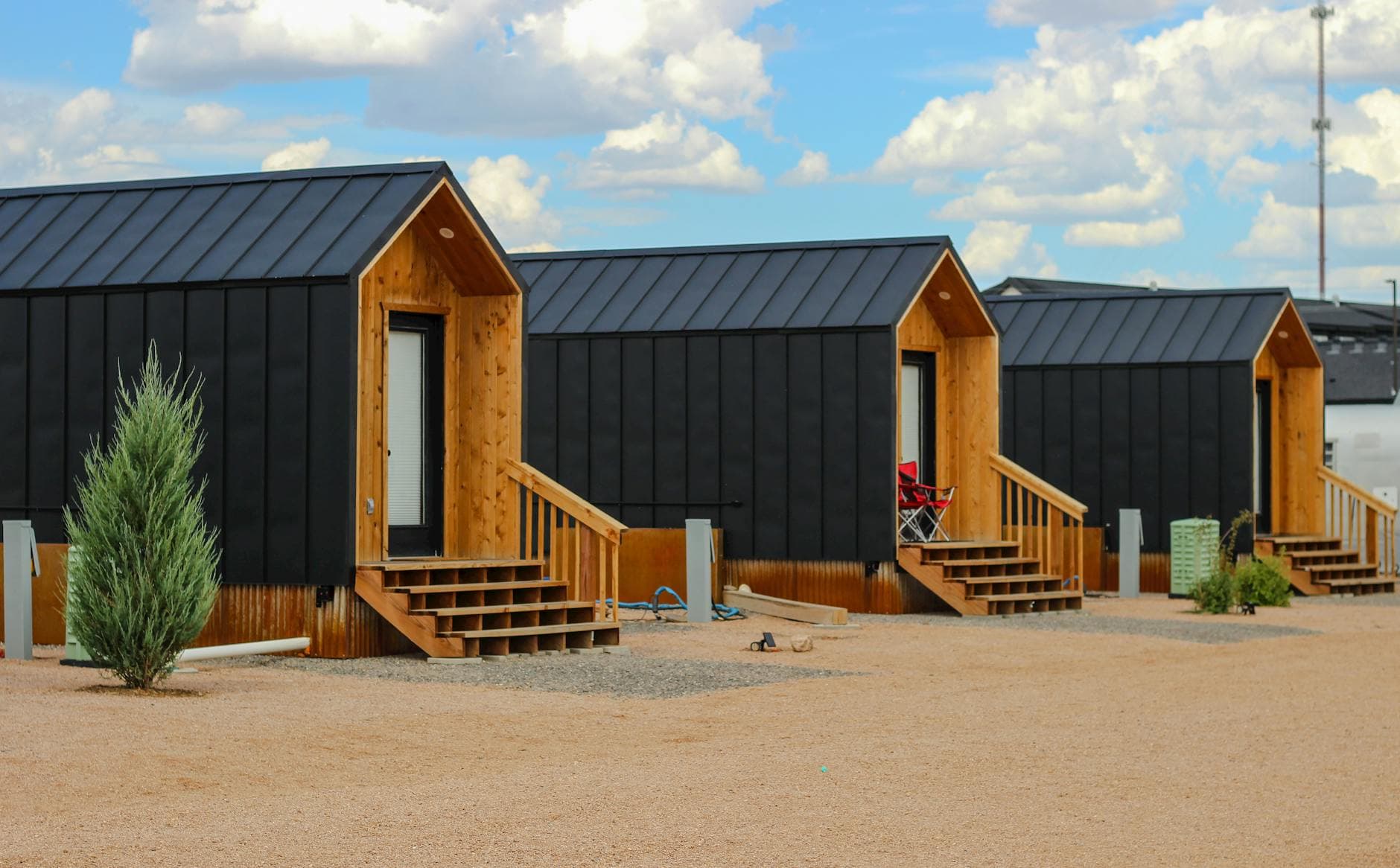
Tru Form Tiny’s Craftsman Kootenay goes after one of tiny living’s hardest sell points: the fear that smaller automatically means lesser. In the 24-foot version, the company lands in a sweet spot between mobility and livability, giving buyers a road-friendly build without pushing them into an ultra-compact layout that feels like constant compromise.
A 24-foot build that aims for the middle
The Kootenay line comes in 22-, 24-, and 28-foot lengths, and that range matters because it lets the model serve more than one kind of tiny-house buyer. The 22-footer leans lighter and easier to tow, while the 28-footer pushes farther toward comfort and room to breathe. The 24-foot version sits in the middle, which is exactly where many tiny-house shoppers want to be when they are trying to balance travel, utility, and everyday comfort.
Pricing reflects that broader flexibility too. Tru Form Tiny’s model page starts the Craftsman Kootenay line at $105,900, while the company has also described the wider Kootenay range as starting at $75,900 and averaging roughly $80,000 to $150,000 depending on add-ons and materials. That spread tells you the model is not meant to be one fixed box on wheels. It is a platform for different budgets, different finishes, and different ideas of what “finished” should look like.
What makes it feel less like a compromise
Tru Form Tiny calls the Kootenay its “most open layout,” and that phrase is doing real work here. The house is designed around socializing-oriented counter space, a peninsula kitchen with an extension leaf, and a larger loft that keeps the living area from feeling chopped up. Instead of forcing every function into a cramped corridor, the plan gives the main floor a clearer sense of flow.
The feature list also leans hard into the idea that tiny homes can still feel generous. The side-front door opens to a fold-down deck, which creates a stronger indoor-outdoor connection and gives the home a more expansive first impression. A 5-foot bathroom option adds breathing room where many tiny homes squeeze, while dormers and a skylight above the main loft help lift the volume and bring daylight deeper into the upper sleeping space.
Storage is where the Kootenay really sells the promise of downsizing without downgrade. Tru Form Tiny highlights storage-rich stairs, and earlier 2022 coverage of the model described built-in loft storage, a built-in couch, a washer/dryer combo, and two fixed skylights over the main loft. Those are not ornamental touches. They are the kinds of decisions that keep a small house functional over time, especially when owners need space for clothing, linens, gear, and daily routines that do not shrink just because the floor plan does.
The optional second loft on the 24- and 28-foot units adds another layer of usefulness. For some owners, that could mean a sleeping perch, a storage loft, or a flexible bonus area that prevents the main loft from doing all the work. In tiny-house terms, that kind of redundancy is a luxury because it gives the home more than one way to operate.
From a personal build to a public model
The Kootenay did not begin as a showroom piece. It started in 2022 as the designer’s own home, first appearing as a one-of-a-kind build before demand helped turn it into a model with wider commercial appeal. Tiny House Talk reported a ready-for-pickup version in May 2022, describing high-end finishes and a full bathroom, and later that summer reported a 24-foot Kootenay Designer Tiny House for sale at $169,500.
That history matters because it explains the model’s polished feel. A house born from personal use often carries different priorities than one designed strictly for mass production. You can see that in the details Tru Form Tiny emphasizes now: a larger loft, a peninsula kitchen, a fold-down deck, dormers, a side-front door, and the kind of customization that lets the layout be adjusted rather than frozen.
The name itself adds a layer of story without gimmick. Tru Form Tiny says the Kootenay takes its name from the Kootenay mountain range in British Columbia, inspired by Jon, who developed an affection for the region while in BC with a new baby in the 1970s. That kind of naming gives the model a sense of place, which is fitting for a home that tries to feel rooted even while it stays towable.
Why this model fits the wider tiny-home shift
The Kootenay also reflects a bigger change in the tiny-house market. Tru Form Tiny presents itself not just as a builder of prefab units, but as a company that can handle custom solutions for most jobs, from fully custom tiny homes to groups of tiny homes for commercial properties. That places the Kootenay in a market where tiny living is becoming more segmented, more personalized, and more openly lifestyle-driven.
Earlier versions of the Kootenay appeared in different styles, including Urban and Country configurations, and Tru Form Tiny continues to offer add-ons such as a bump-out nook, dormers, and solar panels. In other words, the home is built to be adjusted around how people actually live, not around a single idea of minimalist purity. That is part of why the model reads as luxurious: it respects the fact that downsizing does not have to mean giving up the things that make a house feel complete.
Design ideas worth borrowing
If you are planning your own tiny build, the Kootenay offers a few practical lessons that translate well beyond this one model:
- Use a true middle-size footprint when possible. A 24-foot plan can preserve towability while giving you more generous daily living space than the smallest builds.
- Prioritize open sightlines. A layout Tru Form Tiny describes as its most open feels larger because the kitchen, living area, and circulation are not over-partitioned.
- Build storage into circulation. Storage-rich stairs, loft storage, and a built-in couch do more than save space. They turn unavoidable elements into useful ones.
- Add daylight where volume is tight. Skylights, dormers, and larger windows can keep lofts from feeling sealed off.
- Treat the entry as part of the experience. A side-front door that opens to a fold-down deck expands the usable footprint and softens the transition between indoors and out.
- Let one feature do multiple jobs. A peninsula kitchen with an extension leaf, for example, can serve prep, dining, and gathering without demanding extra square footage.
That is the real appeal of the Craftsman Kootenay. It does not ask tiny-house buyers to accept less and call it freedom. It takes a 24-foot shell and fills it with enough light, storage, and flexibility to make the smaller address feel like the better one.
This article was produced by Prism’s automated news system from verified source data, official records, and press releases, then run through automated quality and moderation checks before publishing. The system is built and supervised by the people who set the standards it runs under. Read our full AI policy.
Did this article answer your question?