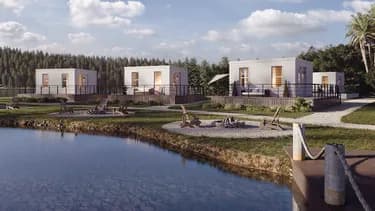
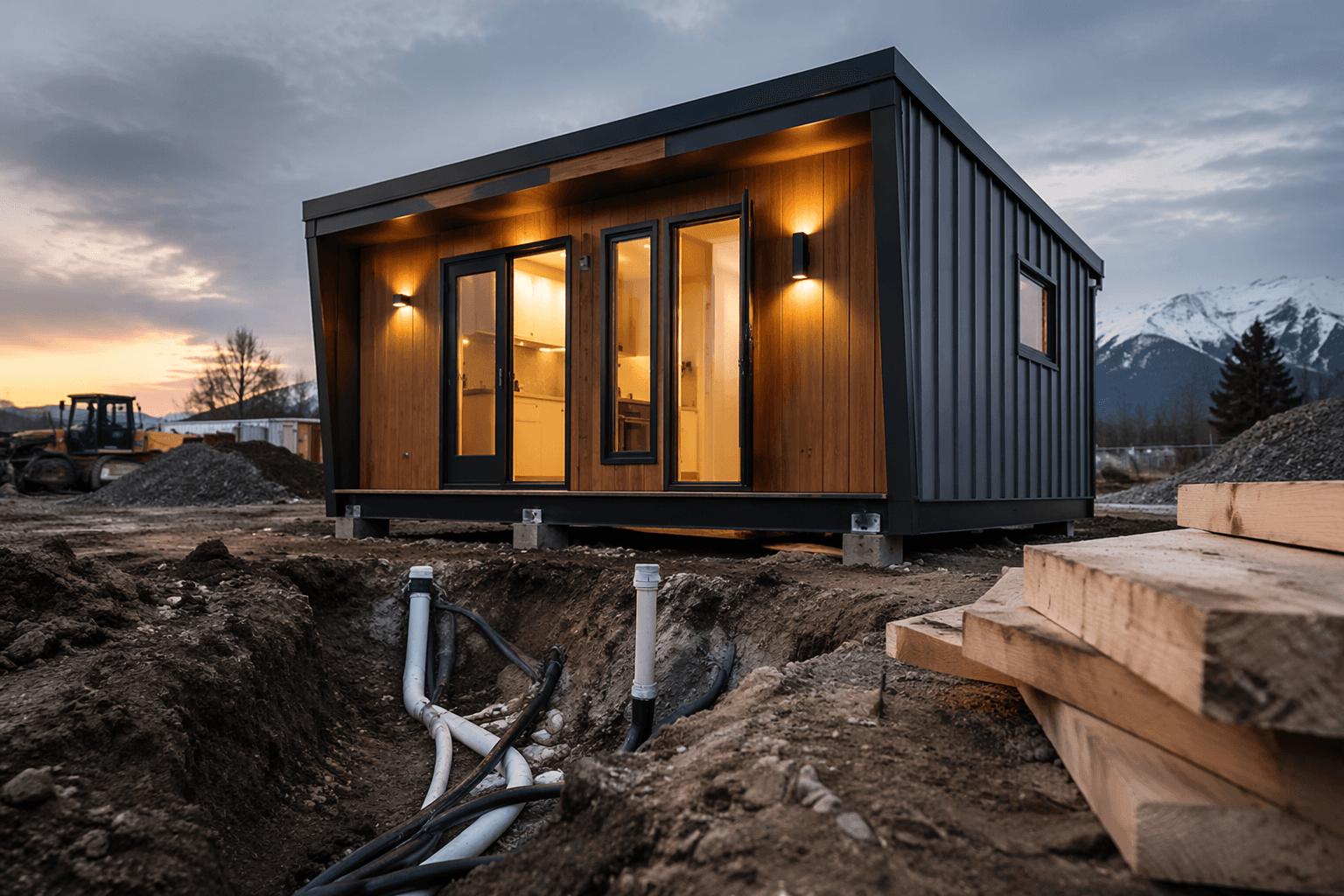
Watsonville's Hope Village welcomes first residents into 32 tiny homes
Hope Village in Watsonville welcomed its first residents into 32 tiny homes, providing low-barrier shelter for people living along the Pajaro River levee.
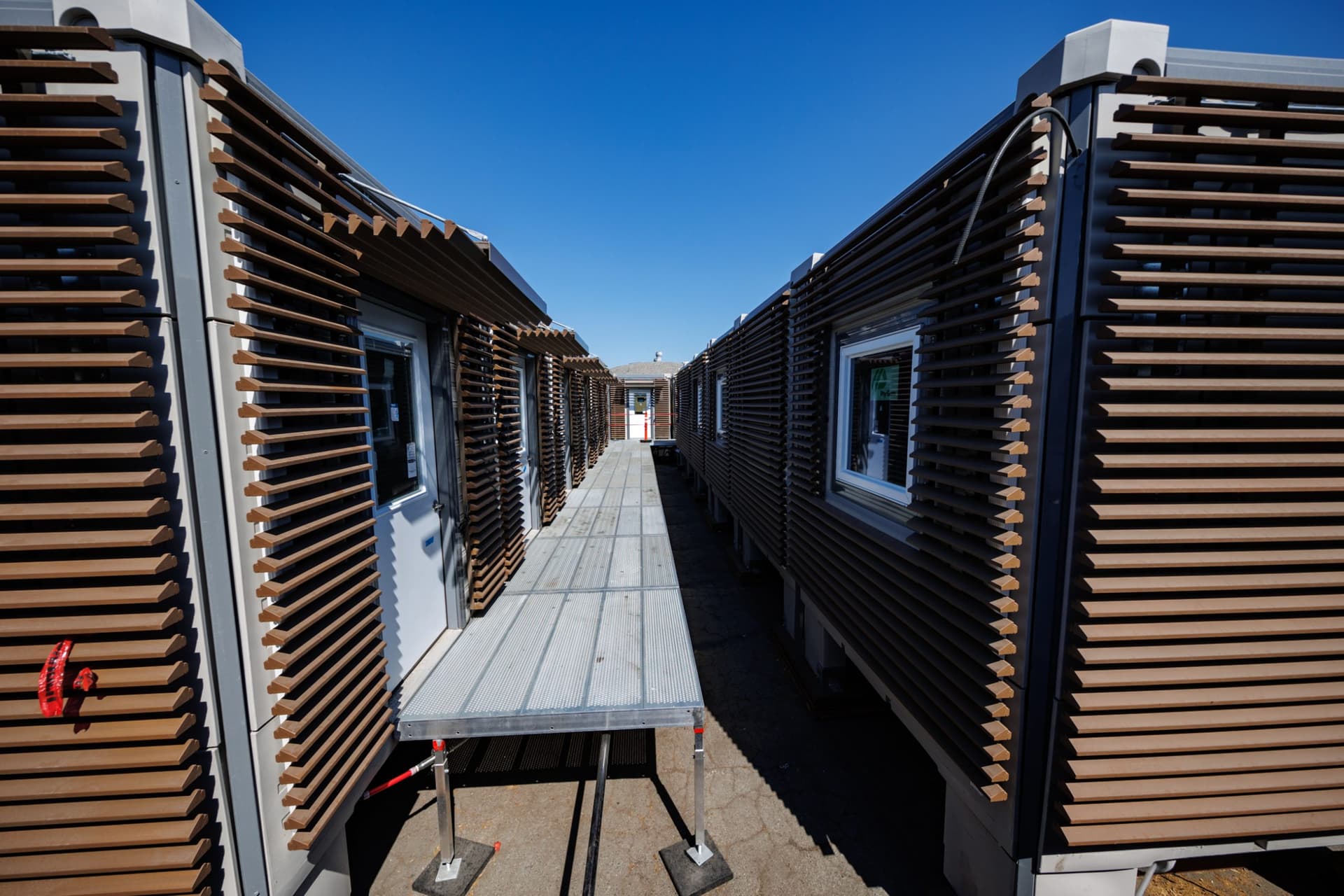
Hope Village, a low-barrier navigation center in Watsonville, welcomed its first residents into 32 tiny-home units on Feb. 2, 2026. The site is intended for people living unsheltered along the Pajaro River levee and marks a new, localized effort to move people indoors while connecting them to services and longer-term housing options.
The project opened as a cluster of compact, self-contained units designed to offer immediate shelter with fewer entry hurdles than traditional shelters. Hope Village combines the tiny-home format many in the small-home community follow with the navigation center model that prioritizes rapid access and harm reduction. For neighbors and advocates watching encampment conditions along the levee, the new site represents a tangible shift from streetside living to stable, managed housing.
Operators began moving residents into the 32 micro-units immediately, signaling the transition from construction and setup to day-to-day operations. The early move-ins will allow staff and residents to work out logistics around utilities, waste management, security, and basic services in a real-world setting. For people who have been living unsheltered near the Pajaro River levee, the tiny homes provide a dry, private place to sleep and a base for pursuing benefits, medical care, or permanent housing placements.
The site’s low-barrier approach means fewer prerequisites to entry, which can shorten the time residents spend outdoors and reduce pressure on local encampments. For Watsonville residents and local service providers, Hope Village changes how outreach teams and housing navigators coordinate care, since residents now have a stable mailing address and a predictable place for follow-up visits.
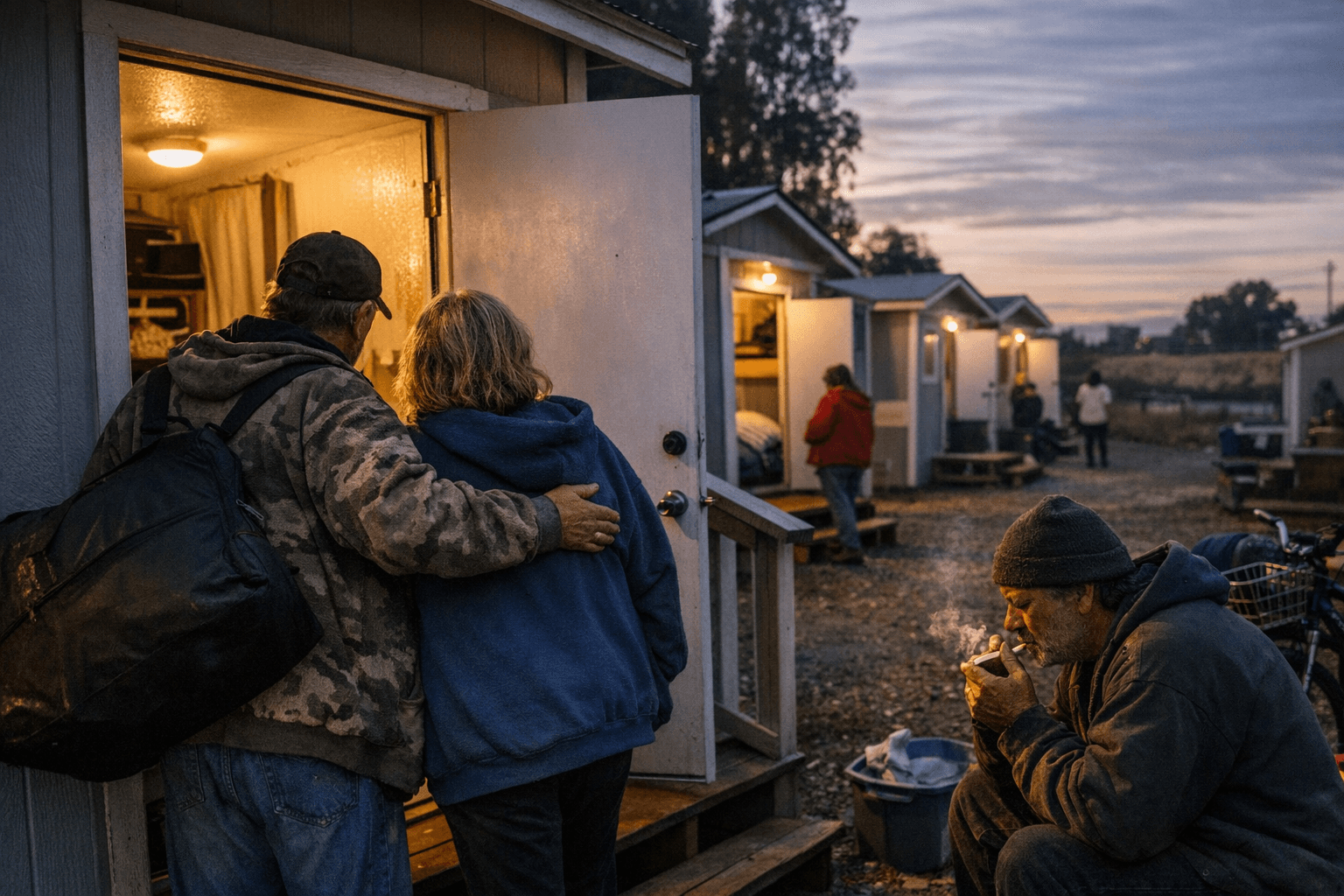
Tiny-house enthusiasts and community builders will note that the project blends small-scale design with social-service goals. The units demonstrate how tiny-home models can be adapted to serve vulnerable populations at scale. For neighborhoods near the Pajaro River levee, the immediate effects will include changes in visible encampments and new patterns of pedestrian traffic around the site as residents access nearby services.
What comes next is operational refinement and evaluation. As more residents move in, operators will confront common tiny-home site challenges such as maintenance schedules, resident turnover, and service coordination. The broader local impact will depend on how effectively Hope Village links residents to permanent housing and integrates with county and city housing strategies.
For readers tracking tiny-home solutions, Hope Village offers a working example of low-barrier, navigation-centered tiny-home deployment in a community context, and it signals a practical step toward reducing unsheltered living along the Pajaro River levee while testing how small-home clusters can support transitions out of homelessness.
This article was produced by Prism’s automated news system from verified source data, official records, and press releases, then run through automated quality and moderation checks before publishing. The system is built and supervised by the people who set the standards it runs under. Read our full AI policy.
Did this article answer your question?