Worcester breaks ground on tiny-home village for homeless seniors
Worcester's four-unit Seeds of Hope village pairs a $150,000 city award with about $1 million in total costs and early-2026 occupancy for homeless seniors.
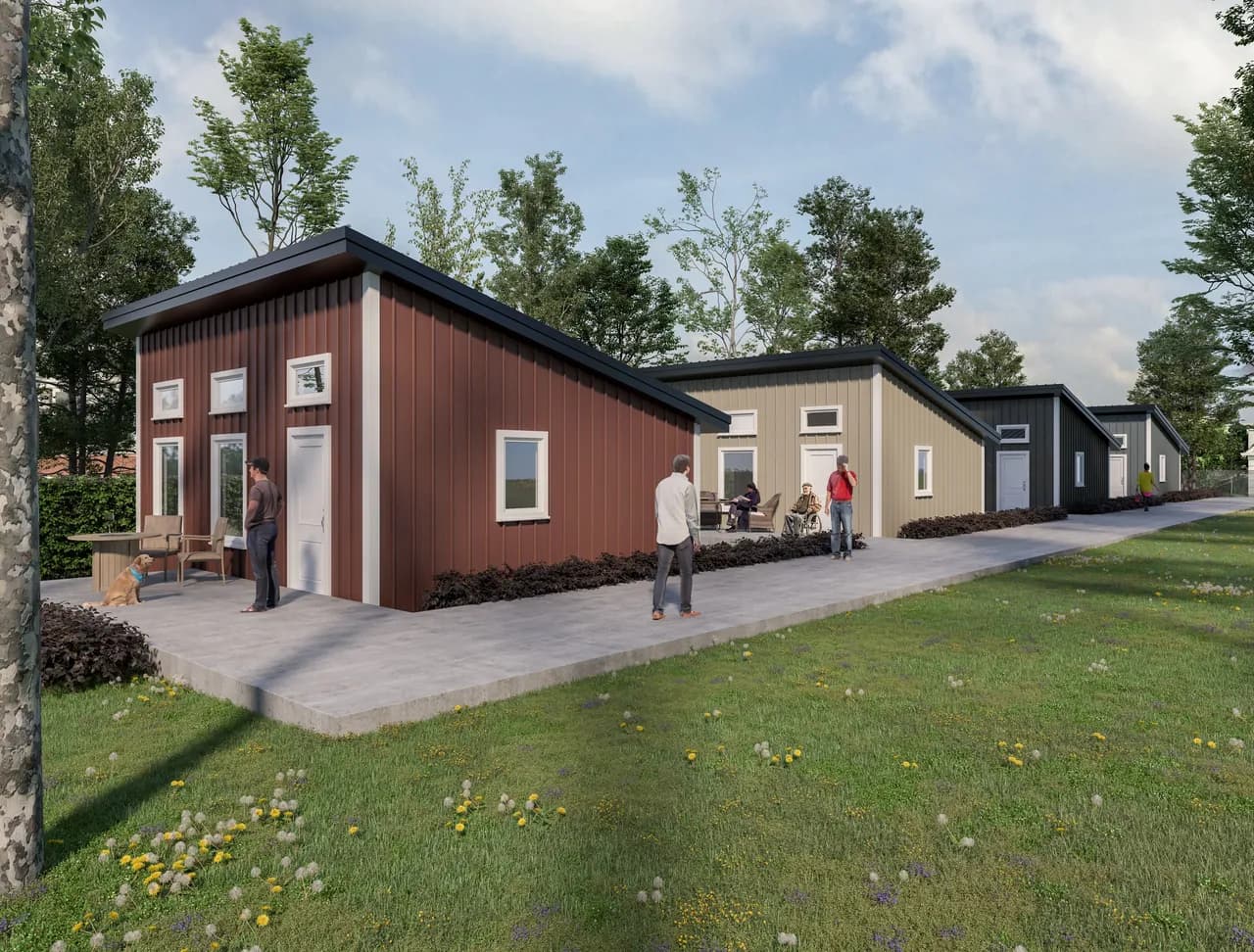
Worcester Community Housing Resources, the United Way of Central Massachusetts and Open Sky Community Services broke ground on Seeds of Hope Tiny Home Village at 6 Claremont St., a four-unit project backed by a $150,000 award from the Worcester Affordable Housing Trust Fund and a total cost estimate of about $1 million. The small site is slated to hold four one-bedroom cottages, with occupancy targeted for early 2026.
The scale is the point. The lot at 6 Claremont St. is narrow and irregular, the kind of parcel that can sit awkwardly between better-known development sites in neighborhoods like University Park and Main South. Worcester is using it as a pilot to show that even a difficult site can still carry useful housing when the city, funders and nonprofit partners line up the pieces. The homes are being built with modular construction to cut costs and shorten the timeline, and each unit is designed at 546 square feet.
Each cottage is ADA accessible, and the project is aimed at chronically homeless and housing-insecure seniors age 55 and older. Three of the homes are restricted to households earning at or below 60% of area median income, while one is reserved for households at or below 30% of AMI. That mix makes the village more than a small-footprint novelty. It is a permanent supportive housing model, with Open Sky Community Services providing case management and support, plus medical and mental-health care coordination and transportation assistance.
The target population is rising fast. Worcester’s homelessness reporting found a 114% increase in unhoused people age 65 and older, from 42 in 2020 to 90 in 2024. On top of that, the city’s housing needs assessment puts the median rent at $1,718 and the median home price at $460,000, a squeeze that hits fixed-income seniors especially hard. HUD’s 2024 homelessness report added the national context, showing that about one in five people experiencing homelessness on a single night was age 55 or older.
City leaders have been folding Seeds of Hope into a wider housing strategy, not treating it as a one-off. Worcester’s housing materials describe a push toward functional zero for adult chronic homelessness through Housing First, rental assistance, support services and stabilization systems, and the city already has one permanent supportive housing precedent in 38 Lewis St., which opened in 2023. Earlier council action cleared the pilot with unanimous support, and a lot of the professional work has been donated pro bono, another sign that the project was built to be lean.
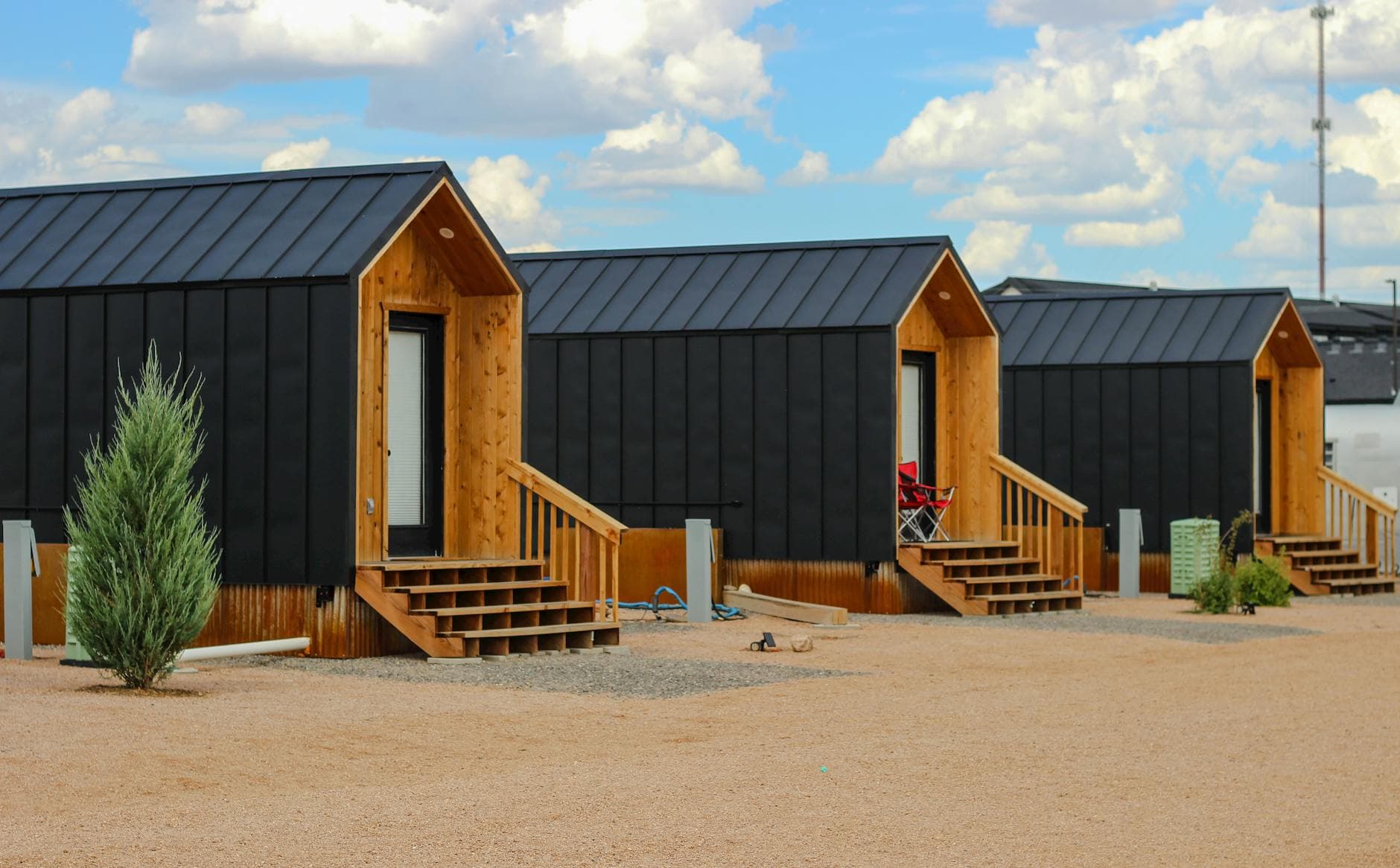
If Seeds of Hope performs the way its backers want, the benchmark is simple: prove that four modular, accessible cottages on a hard-to-use lot can deliver stable homes for older adults without blowing up the budget or the timeline. If that happens, the Claremont Street village stops looking like a symbol and starts looking like a blueprint.
Know something we missed? Have a correction or additional information?
Submit a Tip

