Colorado Bureau of Investigation collects family DNA in Grand Junction missing-person push
At a Grand Junction open house, CBI collected cheek-swab DNA and records from families of missing people, giving investigators fresh comparison material.

Colorado Bureau of Investigation staff used a Grand Junction open house to collect cheek-swab DNA and case records from relatives of people already reported missing, a step investigators rely on when unidentified remains or old biological evidence need a comparison sample. The event at 2797 Justice Dr. ran from 1 to 8 p.m. and was aimed at families who had filed missing-person reports but had not yet provided a family reference sample.
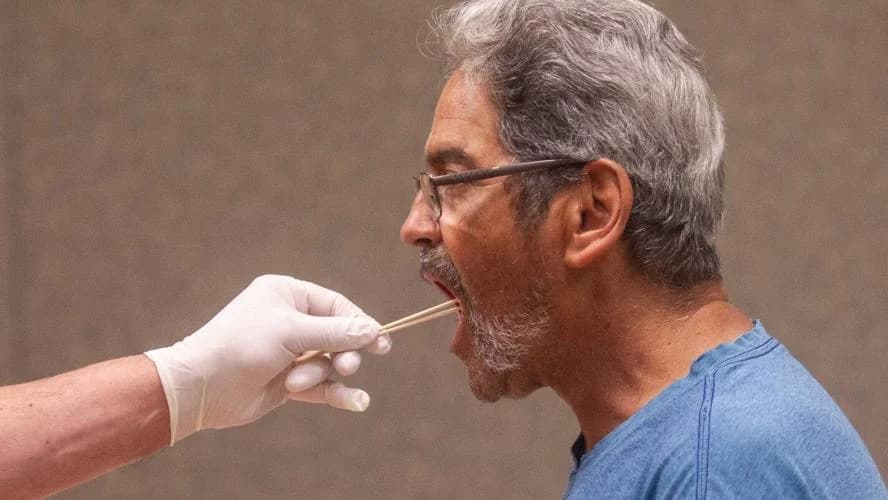
CBI said the reference sample is a cheek swab taken with a large Q-tip. Families were also asked to bring photos of the missing person and any medical or dental records they wanted scanned and returned. Those materials can help investigators refresh an incomplete file, narrow a search, and improve the quality of later comparisons when new evidence is recovered.
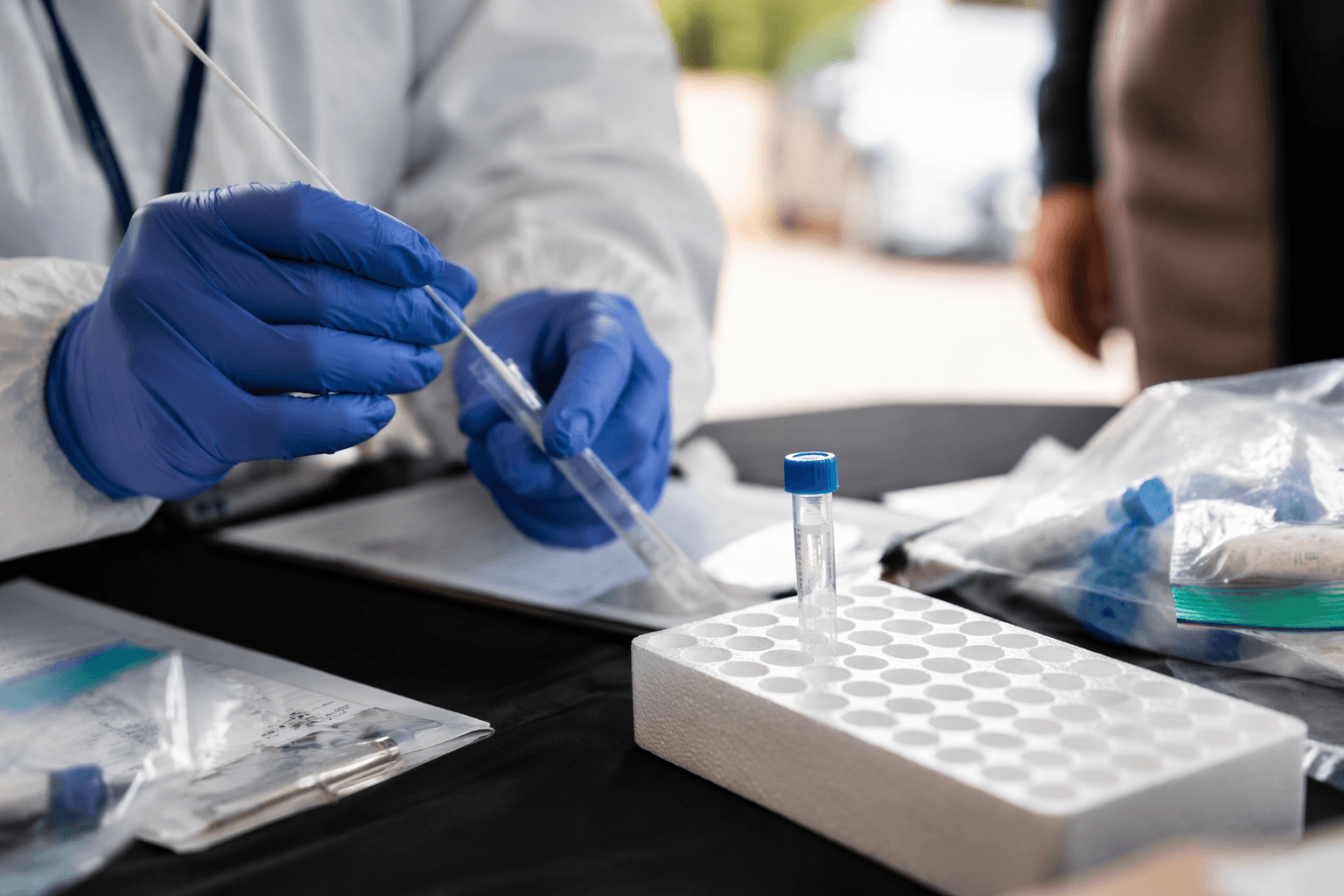
The bureau’s genetic genealogy materials explain the forensic value of the collection drive: DNA can assist with missing and unidentified persons investigations, and no two people have the exact same DNA. A family reference profile can become the baseline that lets investigators test whether remains, trace evidence, or older samples belong to the person who disappeared.
The outreach fits a broader pattern for CBI, which was established in 1967 and now has more than 330 members. The agency has held prior missing-person open houses, including events in January 2024, as part of a continuing effort to draw in families who have not yet submitted reference material. Colorado authorities have also used similar events to reach families in a state with more than 1,200 missing people.
In a state where long rural drives and cases that cross county or state lines can slow identification, the Grand Junction open house put the collection process in one room. For families, that meant handing over the records and swab investigators need without navigating a larger bureaucracy first. For investigators, it meant one more chance to match a name to remains already waiting in the system.
This article was produced by Prism’s automated news system from verified source data, official records, and press releases, then run through automated quality and moderation checks before publishing. The system is built and supervised by the people who set the standards it runs under. Read our full AI policy.
Did this article answer your question?