DC-Area Foundation Fights to Find Missing People of Color, Ignored Too Long
Relisha Rudd vanished from a Southeast DC shelter in 2014 at age 8. Twelve years later, the Black and Missing Foundation is still fighting to keep her case alive.
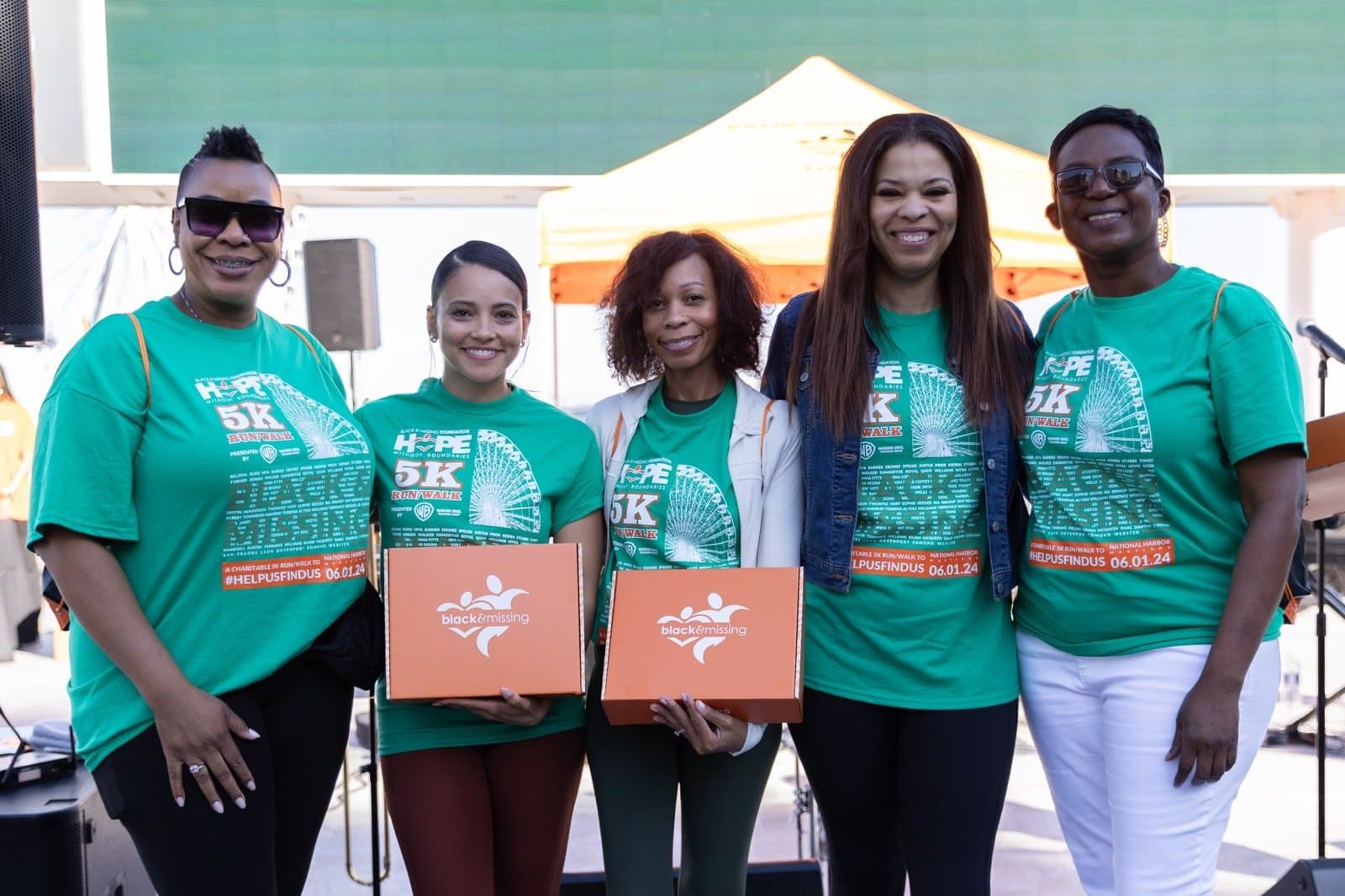
Eight-year-old Relisha Rudd disappeared from a homeless shelter in Southeast DC on March 1, 2014. Twelve years later, her case remains unsolved, and every year community members gather to hand out flyers and T-shirts and renew the push for answers. That kind of sustained, organized pressure is exactly what the Black and Missing Foundation was built to provide.
The Maryland-based foundation has spent nearly two decades working alongside newsrooms and law enforcement across the DC area and beyond, pushing for greater attention to missing persons cases involving people of color. Co-founder Derrica Wilson, a former police officer, says the foundation's relationship with DC police runs deep. "When Relisha Rudd went missing, we were the first call from DC police," Wilson said. "We were one of two organizations invited to go out and search."
The foundation traces its origins to 2004, when Tamika Huston, a 24-year-old Black woman, disappeared in Spartanburg, South Carolina, Derrica Wilson's hometown. That case initially struggled to attract media coverage, and the absence of attention left Wilson and her sister-in-law Natalie Wilson determined to close the gap between how missing white women and missing people of color were treated by both press and police.
Natalie Wilson brings a public relations background to that mission, and the foundation's approach reflects it. The organization produces the podcast Untold Stories: Black and Missing to keep cold cases in the public eye. Last October, on what would have been Relisha Rudd's 20th birthday, the foundation released a short docuseries about her disappearance, with Natalie Wilson expressing hope it might "lead to new information, and ultimately, resolution."

The foundation has also produced guides for journalists and law enforcement agencies, designed to help both groups cover and investigate missing persons cases more equitably. These tools represent a direct response to what the Wilsons describe as systemic disparities in how disappearances receive coverage and investigative resources.
The Pamela Butler case offers the starkest example of what can change when attention finally arrives. Butler, a DC native, disappeared in 2009, and her case went cold. According to Derrica Wilson, an uptick in media coverage contributed to law enforcement dedicating more resources to the investigation. In 2017, Butler's former boyfriend pled guilty to second-degree murder. The investigation didn't stop there: police linked him to the 1989 murder of his former wife, and he later pled guilty to that killing as well.
Two guilty pleas, one of them reaching back nearly three decades, both stemming from a cold case that needed media pressure before investigators moved. For the Black and Missing Foundation, that outcome is the argument in its purest form.
This article was produced by Prism’s automated news system from verified source data, official records, and press releases, then run through automated quality and moderation checks before publishing. The system is built and supervised by the people who set the standards it runs under. Read our full AI policy.
Did this article answer your question?