DNA Breakthrough Identifies Vermont Fisherman Missing Since 2001 River Tragedy
A skull found in Connecticut in 2006 was finally tied to Brian Cranfield, the Vermont fisherman lost when a boat flipped on the Connecticut River in 2001.
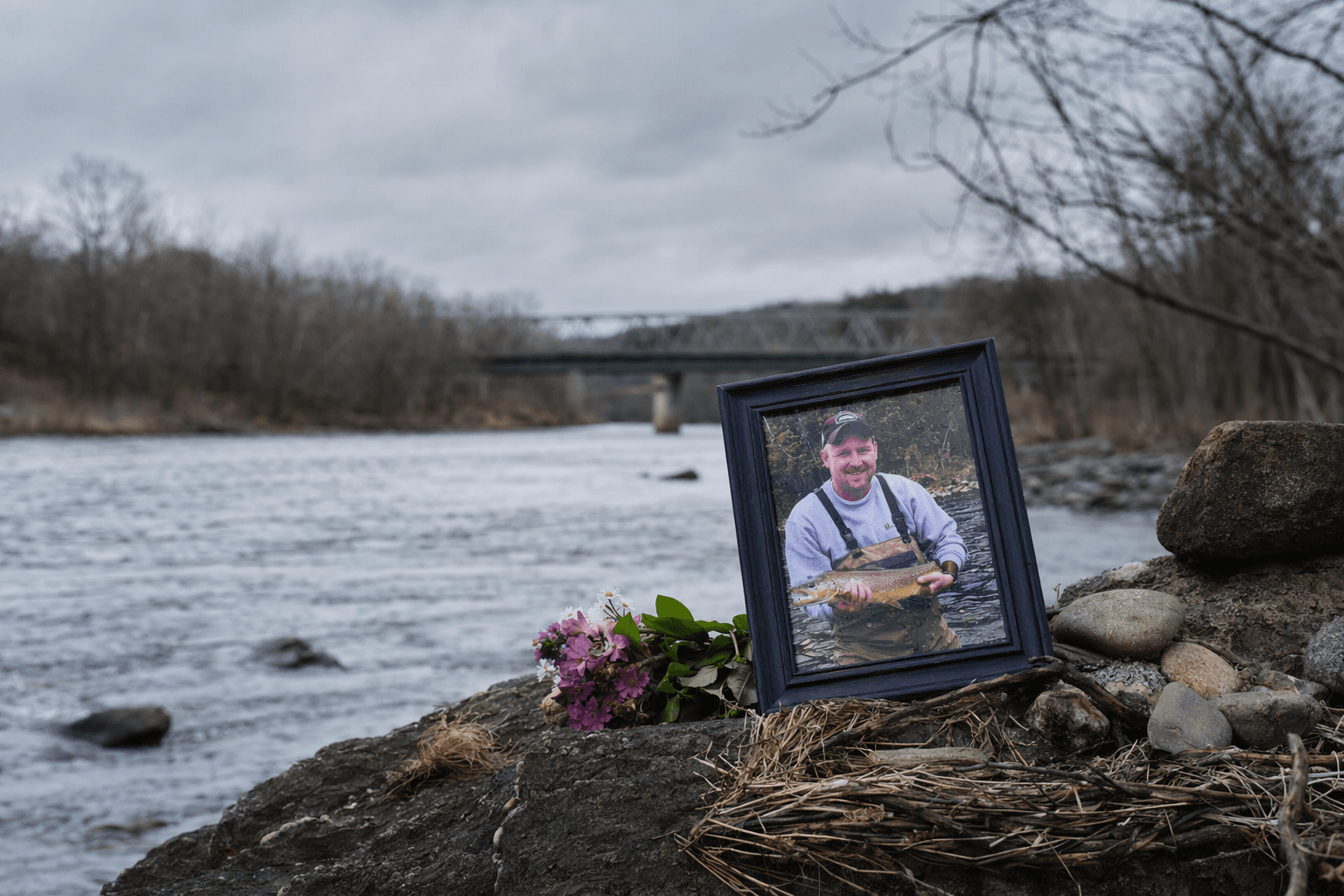
Brian Cranfield vanished on a fishing trip that turned deadly on the Connecticut River, and for more than two decades his family had no name attached to the remains that were eventually found far from the scene.
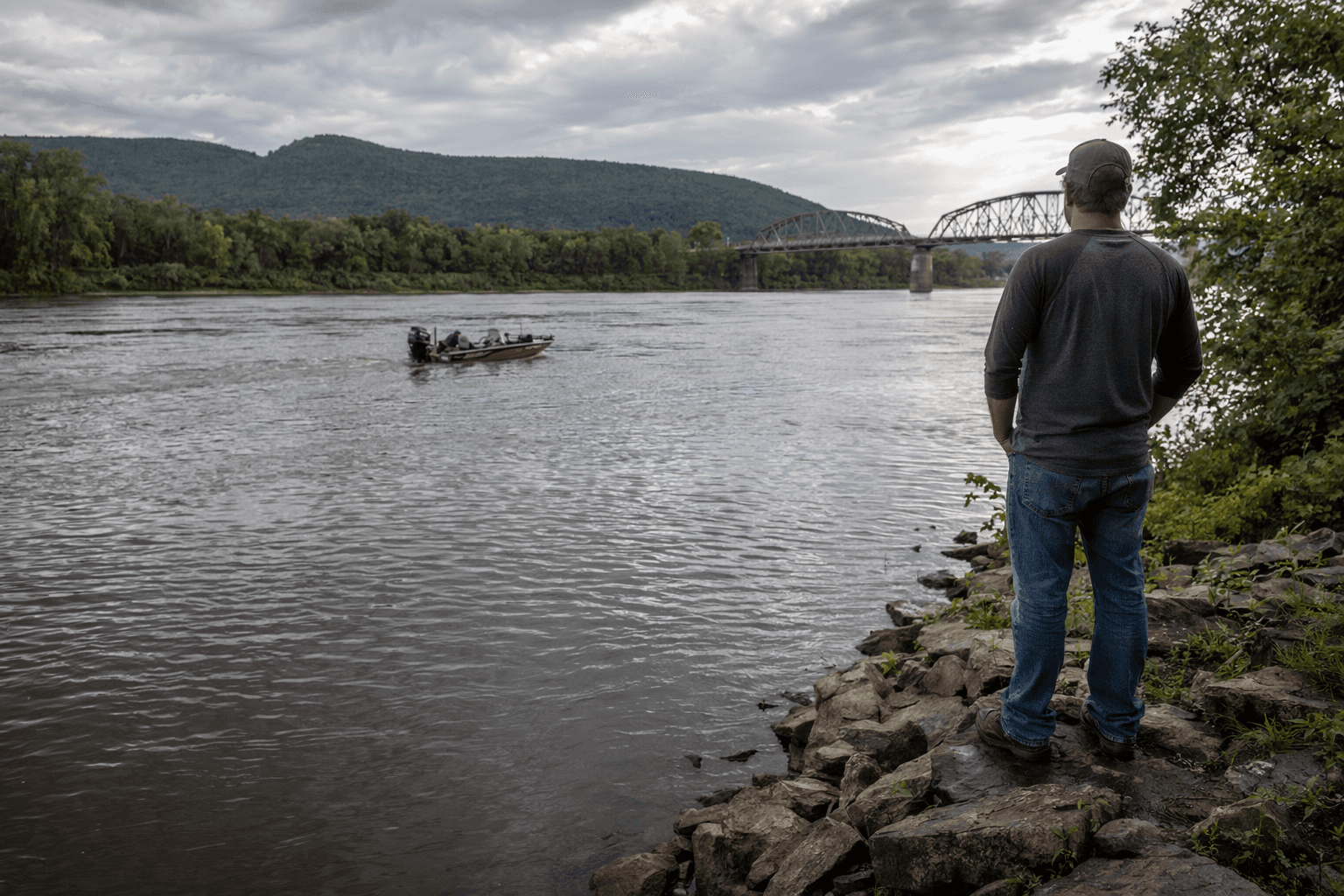
Vermont State Police said Cranfield, 37, of Weathersfield, Vermont, disappeared on April 9, 2001, when the boat he was in with Terry Brinegar, 44, of Mount Holly, Vermont, overturned at Sumner Falls in Hartland. Brinegar’s body was recovered 15 days later, on April 24, 2001, at the Bellows Falls Dam. Cranfield was never found, and the case sat in the uneasy space common to river tragedies, where one recovery leaves another question hanging.
That missing piece surfaced on October 9, 2006, when two bow hunters reported finding what appeared to be a human skull in wooded land between the Connecticut River and the Salmon River in Haddam Neck, Haddam, Connecticut. The remains were stored at the Connecticut Office of the Chief State Medical Examiner and, for years, were not tested for DNA.
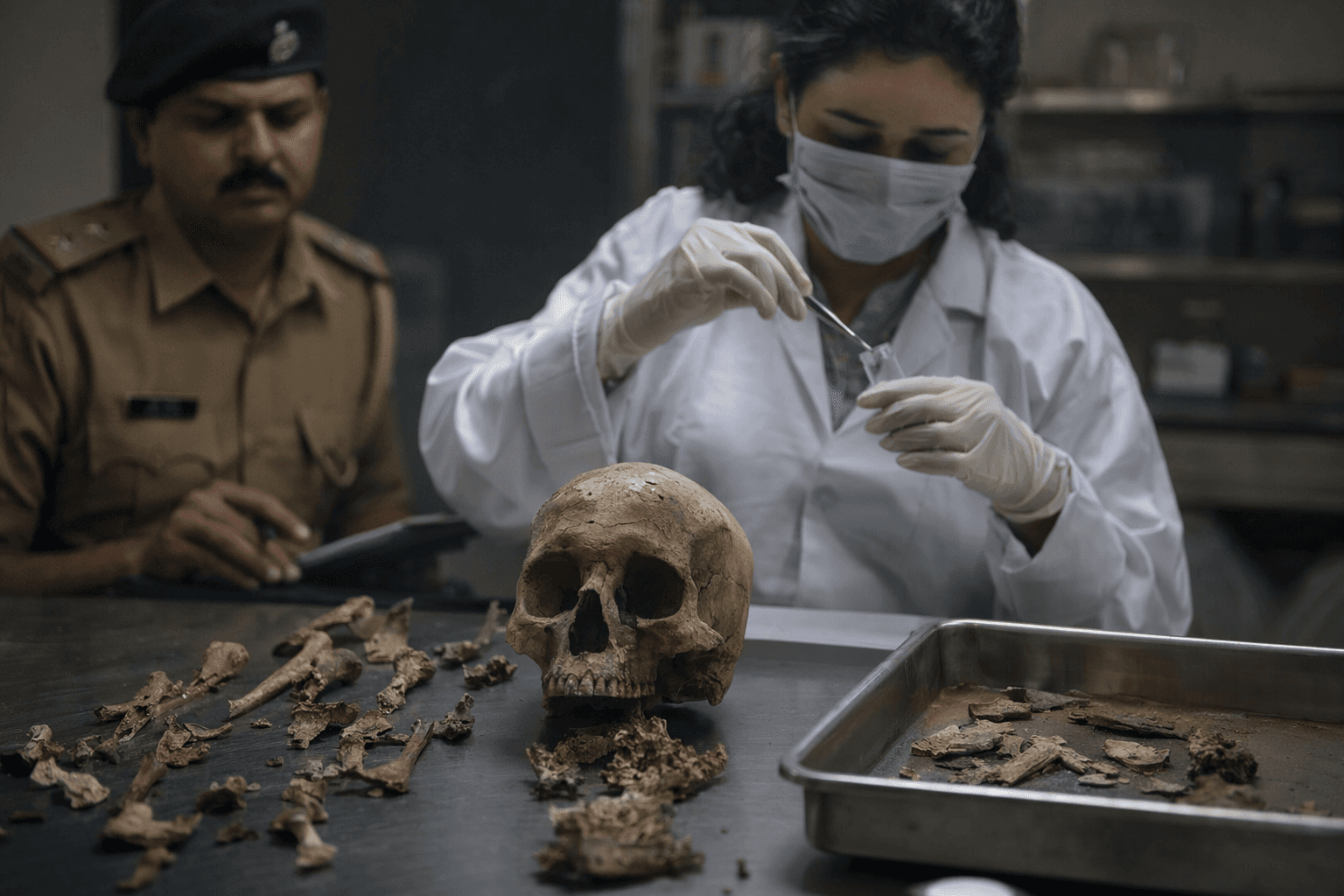
The breakthrough came only after modern forensic work finally caught up with the case. In the summer of 2025, the skull was processed for DNA. Connecticut State Police then located Cranfield’s brother in Dover, Delaware and obtained a reference sample. Othram, the Texas company that specializes in forensic genetic genealogy, matched that family sample to the skull, confirming the remains as Brian Cranfield.
That identification closes a 25-year search that began with a fishing trip and ended with a skull that had sat unnamed in storage for years. State police said the case is now considered not suspicious, and Vermont State Police have closed it.
The resolution matters beyond one family. Vermont State Police is statutorily responsible for missing-person investigations across the state, and its open-case archive covers disappearances that remain unresolved after 60 days. Vermont Public has reported that the state still has more than 80 unsolved homicides and missing-person cases, a reminder that Cranfield’s identification is part of a much larger cold-case landscape.
The same DNA-driven shift has already changed other Vermont cases. In 2024, state police identified a skull from a 2010 missing-person case and closed a 1982 infant death case. In 2023, Burlington Police used DNA from a cigarette found at the scene to solve the Rita Curran murder. In Cranfield’s case, modern genealogy did what old evidence could not: it gave a name to the remains and finally tied the 2001 river tragedy to one missing man.
Know something we missed? Have a correction or additional information?
Submit a Tip