DNA breakthrough leads to 23-year sentence in Saginaw cold case
DNA pulled a 2003 Saginaw murder out of the cold, sending Jason Robert Cabello to prison for 23 to 45 years after Jeanette Wilton’s case sat unsolved for decades.

A DNA hit finally gave Jeanette Wilton’s family an answer, and it put Jason Robert Cabello, 48, on a 23-to-45-year prison clock in Saginaw County. Judge Manvel Trice III handed down the sentence on June 15 after Cabello’s no-contest plea in April to second-degree murder and first-degree criminal sexual conduct.
Wilton was 57 when she was found dead near the Flint River by her Saginaw home on February 22, 2003. An autopsy showed she died of strangulation and multiple stab wounds to the neck, and she also suffered blunt-force trauma to the head and face, contusions and postmortem abrasions. What had looked for years like one more unsolved homicide in Michigan became a prosecutable case only after new forensic work reopened the file.
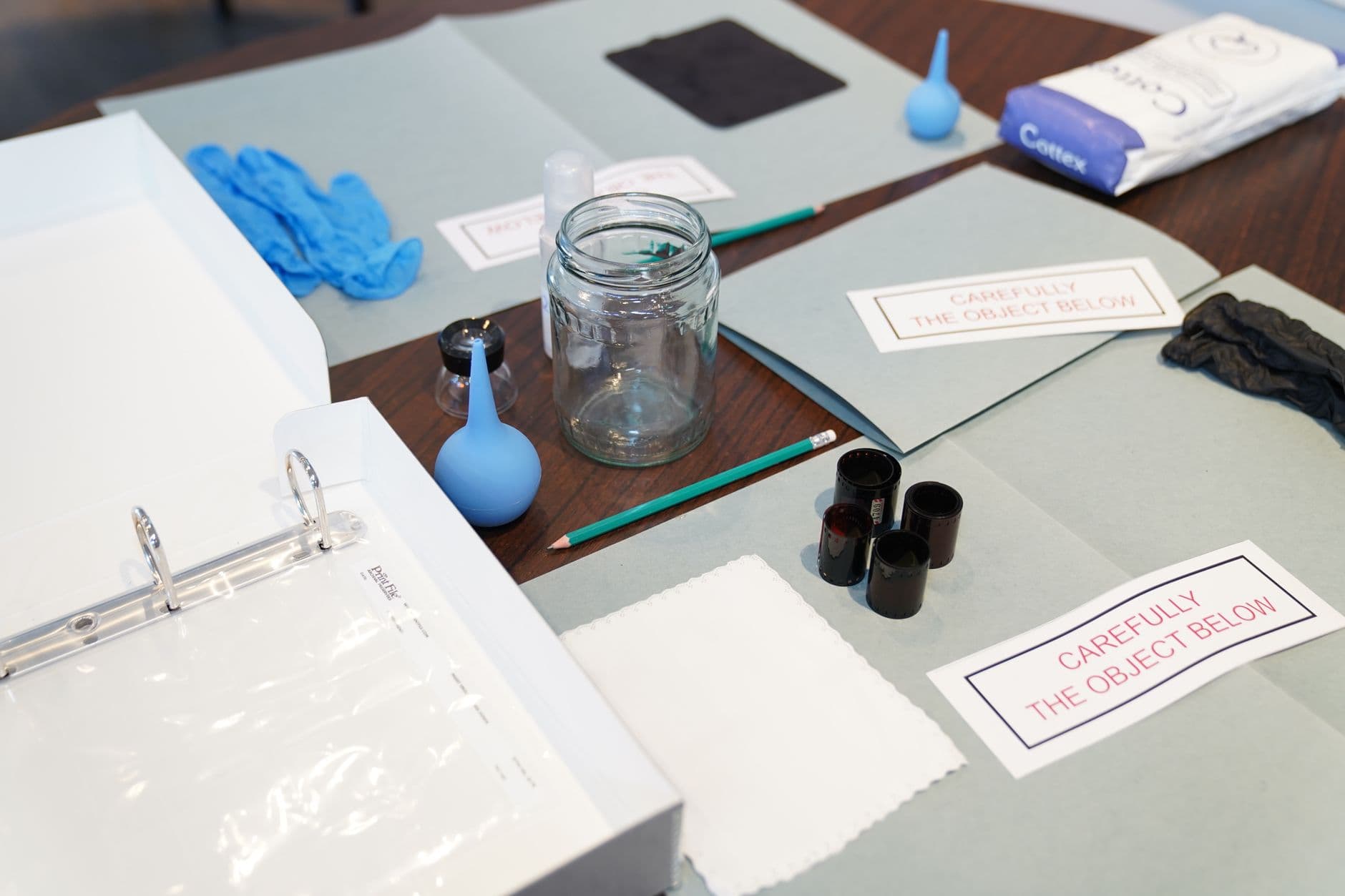
The Michigan State Police Third District Cold Case Team picked up the investigation in 2021, nearly 20 years after the killing. Investigators worked with Western Michigan University’s Cold Case Program and the MSP laboratory to reorganize, digitize and reanalyze the evidence, then sent material to a private lab under a cold-case grant. That work produced a DNA profile through forensic-grade genome sequencing, and the profile matched evidence collected at the scene in 2003.
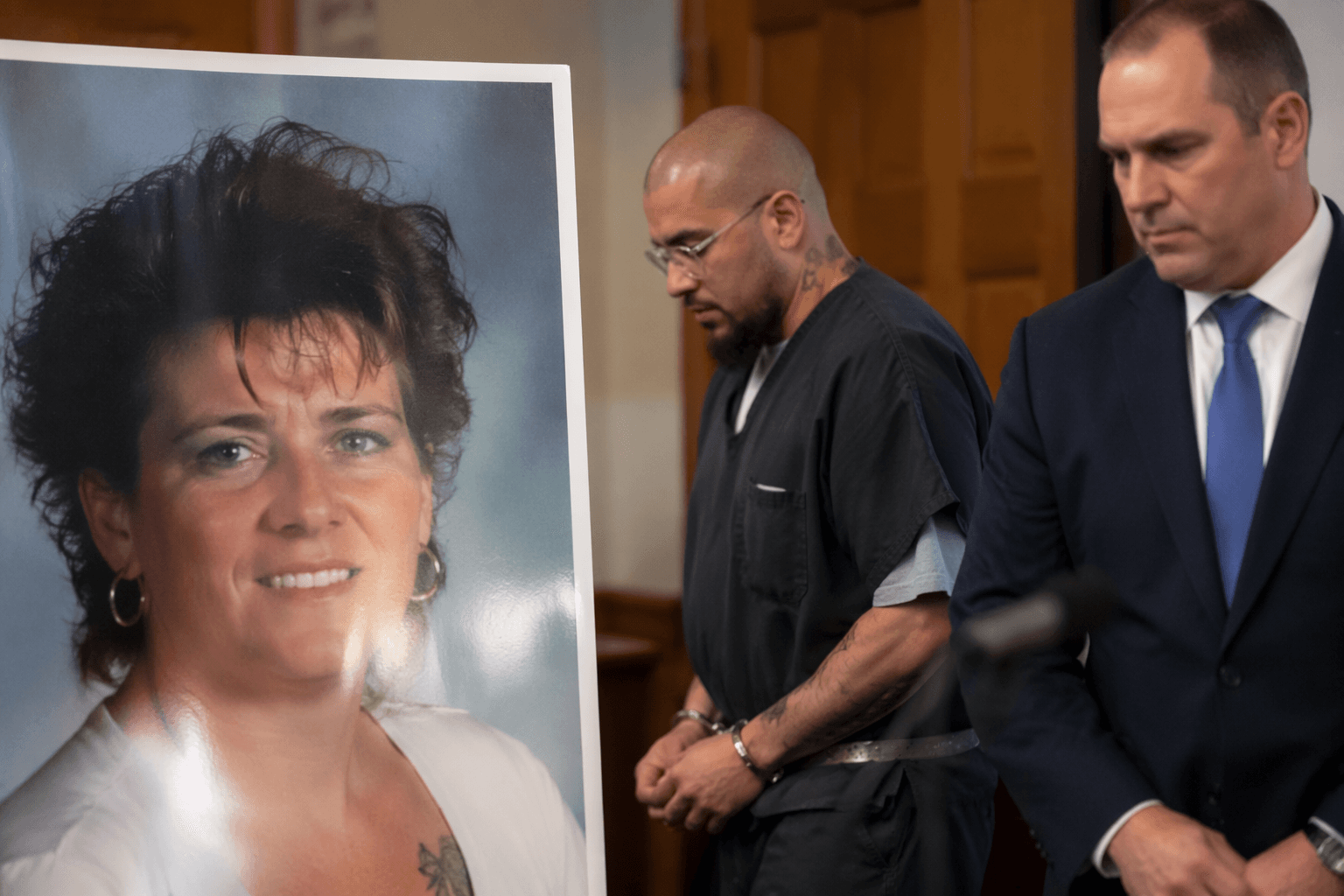
By September 2024, state police referred the case to the Michigan Department of Attorney General, and Cabello was charged in December 2024 with first-degree premeditated murder, felony murder and first-degree criminal sexual conduct. Prosecutors said Cabello had previously been in a relationship with a relative of Wilton, but was not otherwise known to be connected to her, one reason the case stayed buried for so long. The plea, entered on April 20, ended the question of whether he could be convicted at trial.
Wilton’s life was also brought back into focus as the case moved toward sentencing. Western Michigan University described her as a mother of three sons who worked at a local hospital for 12 years, a detail that cut through the usual cold-case shorthand and made the loss feel immediate again. For investigators, the outcome showed what preserved evidence can still do when older files are revisited with better tools.
Cabello’s sentence means decades behind bars and lifetime sex-offender registration if he is ever released. For Wilton’s family, the breakthrough started with DNA and ended in a courtroom, but the long arc of the case showed that a body found by the Flint River in 2003 could still pull a modern answer out of the cold.
This article was produced by Prism’s automated news system from verified source data, official records, and press releases, then run through automated quality and moderation checks before publishing. The system is built and supervised by the people who set the standards it runs under. Read our full AI policy.
Did this article answer your question?