DNA Breakthrough Leads to Plea in 2003 Michigan Cold Case Killing
A DNA match from 2003 evidence pushed Jason Robert Cabello to a no-contest plea in Jeanette Wilton’s killing, ending a 23-year wait for sentencing.
Jason Robert Cabello’s no-contest plea has moved the 2003 killing of Jeanette Wilton out of the evidence-gathering phase and into sentencing, with the 48-year-old now set to face Judge Manvel Trice III on June 1 in Saginaw County’s 10th Circuit Court.
That plea matters because it resolves the case in court without forcing the family through a murder trial, but it also leaves one legal distinction intact: Cabello did not formally admit guilt in open court. In a cold-case homicide, that means the state gets a conviction path to sentencing, while the public record still lacks the full blow-by-blow of a trial, with no witnesses tested on the stand and no jury weighing the evidence.
Wilton’s body was found in the Flint River near her Saginaw home on February 22, 2003. She was 57. The autopsy showed a savage killing, with strangulation, multiple stab wounds to the neck, blunt-force trauma to the head and face, contusions, and postmortem abrasions. For more than two decades, the case sat as one of those brutal, unresolved files that haunt true crime readers because the violence is clear, but the answer is missing.
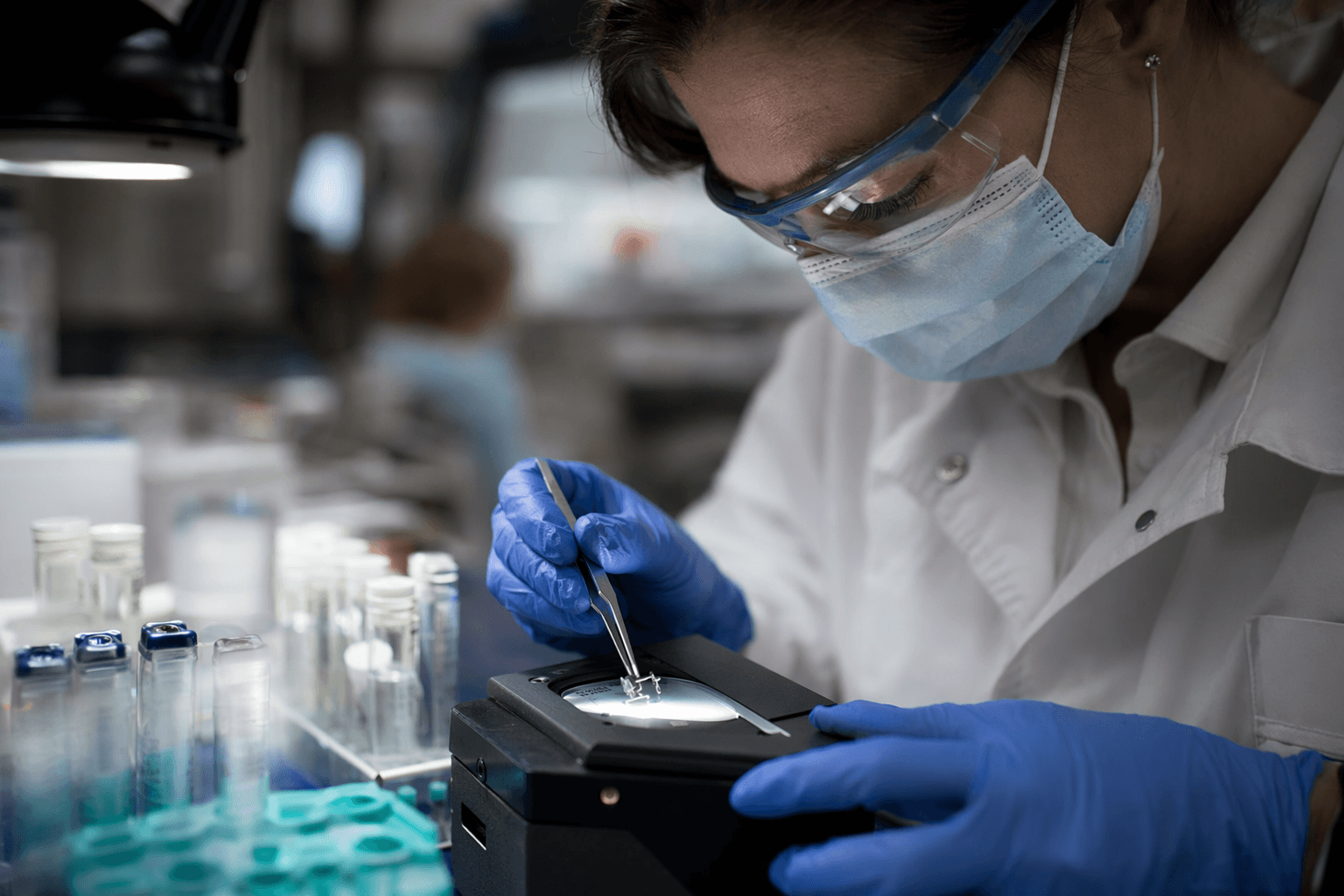
The break came when the Michigan State Police Third District Cold Case Team reopened the investigation in 2021. Detectives worked with Western Michigan University’s Cold Case Program and the Michigan State Police laboratory to reexamine the old evidence, and a private lab used a cold case grant to run the material through Forensic-Grade Genome Sequencing. Investigators later confirmed that Cabello’s DNA matched DNA collected in 2003.
That evidence path is what kept the case alive. MSP referred the file to the Department of Attorney General in September 2024, and prosecutors charged Cabello in December 2024 with first-degree premeditated murder, felony murder, and first-degree criminal sexual conduct. Each count carried a potential life sentence. Officials said Cabello had previously been in a relationship with a relative of Wilton, but he was not otherwise known to be associated with her.
Wilton was a mother of three sons and had worked at a local hospital for 12 years before her death. WMU students helped reorganize and digitize the case file, build an index of people of interest, create a timeline, and conduct a site visit. For Michigan Attorney General Dana Nessel’s office and state police, the plea marks long-awaited closure. For the case itself, the central question has been answered: preserved evidence, modern DNA work, and patient cold-case detective work finally tied Cabello to Wilton’s death.
This article was produced by Prism’s automated news system from verified source data, official records, and press releases, then run through automated quality and moderation checks before publishing. The system is built and supervised by the people who set the standards it runs under. Read our full AI policy.
Did this article answer your question?