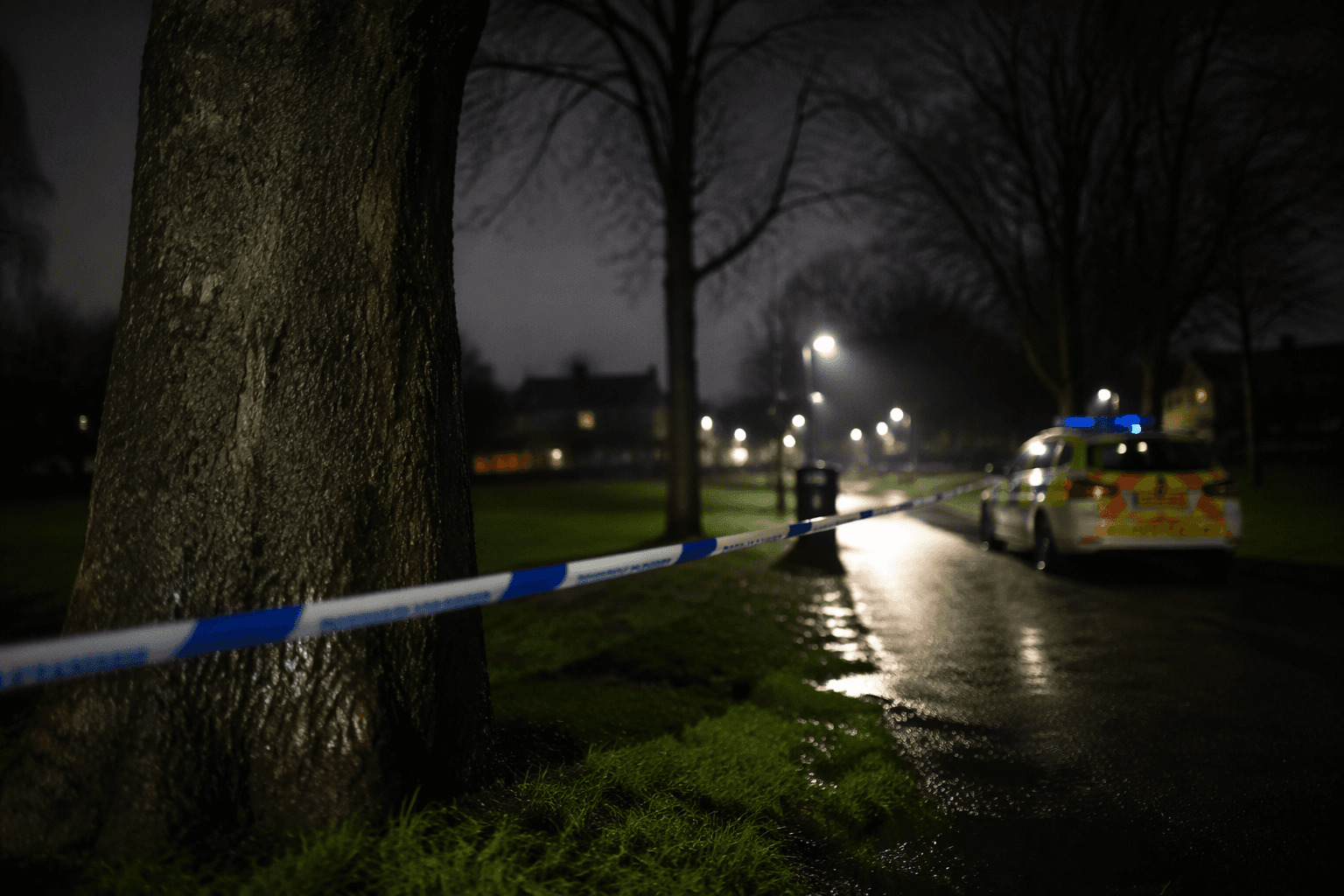
DNA clues help solve decades-old murders in Crime 360 marathon
Crime 360's July 12 marathon paired two episodes with DNA-driven cold cases, including murder, serial murder and arson probes, with chapter marks at 00:00 and 43:05.
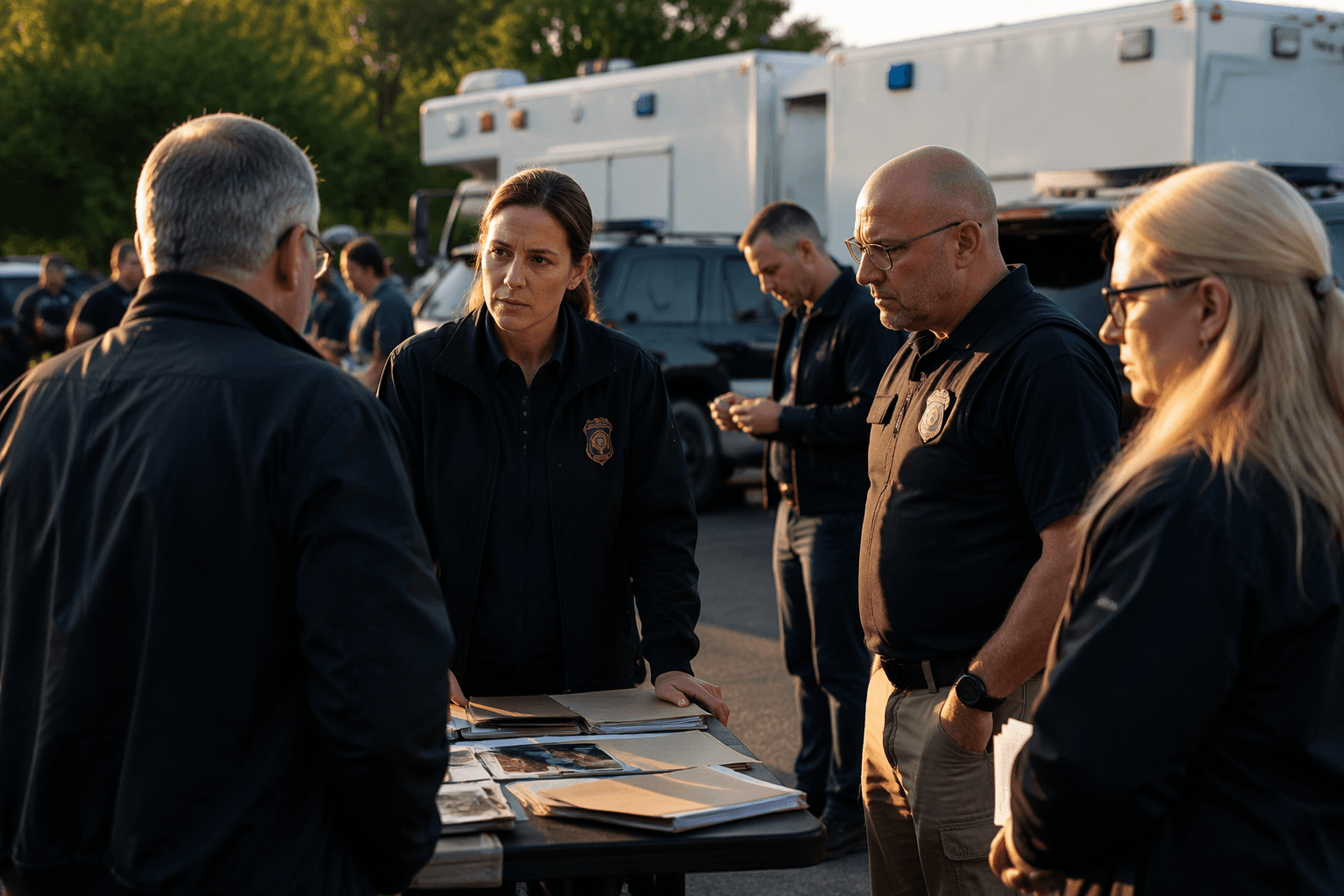
Crime 360 uploaded a two-episode marathon on July 12 built around DNA clues that finally solved murders, with chapter markers at 00:00 and 43:05. The special focused on decades-later investigations in which detectives uncover evidence that exposes killers long after the original crimes, and the description said the run also covered serial murder and arson probes.
The release followed an A&E version of the same marathon that posted on May 26, part of a sequence of similar cold-case collections in 2026. Before the DNA installment, Crime 360 had already rolled out The Small Clues That Solved Big Murders on June 28, Cigarette DNA, Killer Confessions & Murders Solved on June 14, The Clues That Reopened America’s Most Chilling Cases on June 9, and Killers Who Thought They’d Never Be Caught on March 29. Taken together, the slate shows a clear programming pattern: unresolved killings, a forensic hook, and a payoff built around method rather than shock.

That formula tracks with real-world cold-case work. A Fox 8 Live report published February 11 said a 33-year-old case had been solved with modern DNA technology. The Federal Bureau of Investigation also has a standing 30-Year-Old Murder Solved story page that highlights how renewed investigative work can crack cases that sat untouched for decades. On February 19, the National Center for Missing & Exploited Children said the murder of 12-year-old Mary Theresa Simpson had been solved after 61 years, using a DNA speck too small to see with the naked eye.
Those examples explain why DNA remains the centerpiece of so many true-crime marathons. The evidence can survive when witness memory fades, leads dry up and old files go cold. A preserved swab, a trace sample or a re-tested exhibit can turn an unsolved homicide into a named suspect, a confession or a courtroom result years later.
That is the core appeal of the July 12 Crime 360 marathon. It opens with old violence and ends with modern science doing what earlier investigations could not, which is exactly the kind of procedural payoff that keeps DNA-centered cold cases at the center of true-crime viewing.
This article was produced by Prism’s automated news system from verified source data, official records, and press releases, then run through automated quality and moderation checks before publishing. The system is built and supervised by the people who set the standards it runs under. Read our full AI policy.
Did this article answer your question?