DNA from trash leads to arrest in 1981 Grapevine murder
DNA from BBQ sauce and soda bottles in a Colorado trash bin helped tie a 79-year-old man to Beverly Bruneau’s 1981 strangulation death in Grapevine.
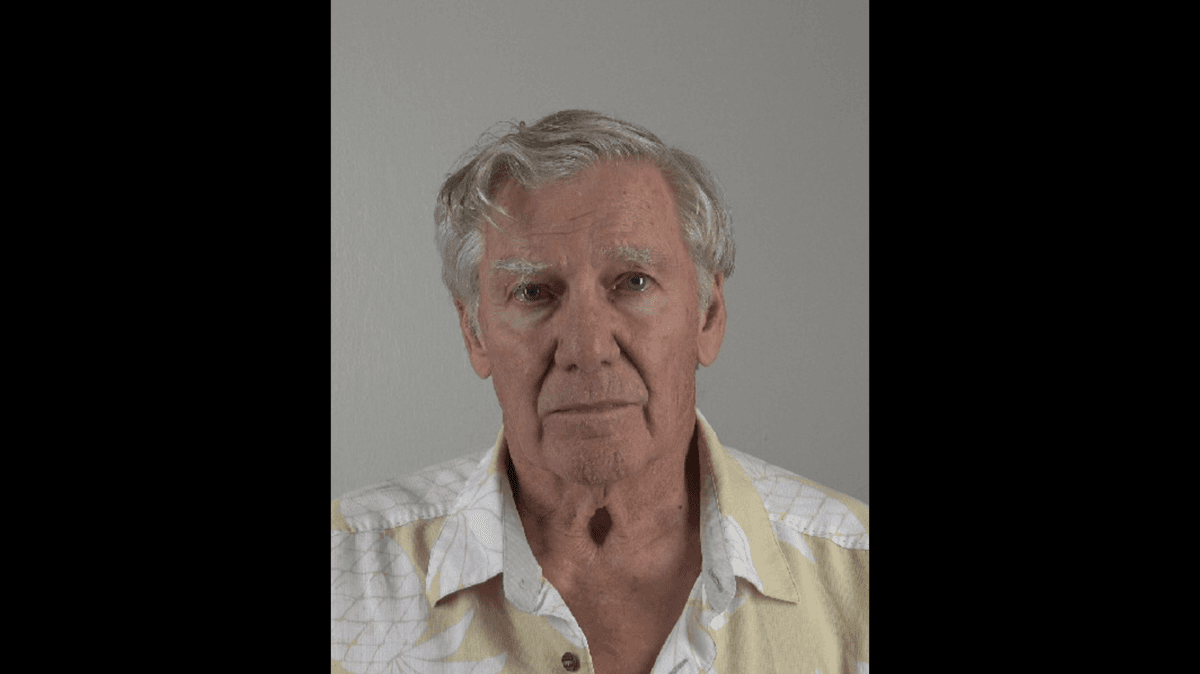
Grapevine police arrested Colorado resident Larry Dean Brown in connection with the 1981 strangulation death of Beverly Bruneau after DNA from items pulled from his trash linked him to the case. Bruneau was 35 when she was found dead in her Grapevine home on Feb. 13, 1981, just before Valentine’s Day.
NBC 5 Dallas-Fort Worth identified Bruneau as a Braniff flight attendant, adding another layer to a case that had sat unresolved for more than four decades. Brown, now 79, was taken into custody in Colorado even though the homicide happened in Grapevine, Texas, a detail that reflects how far cold-case work can reach when evidence crosses state lines.
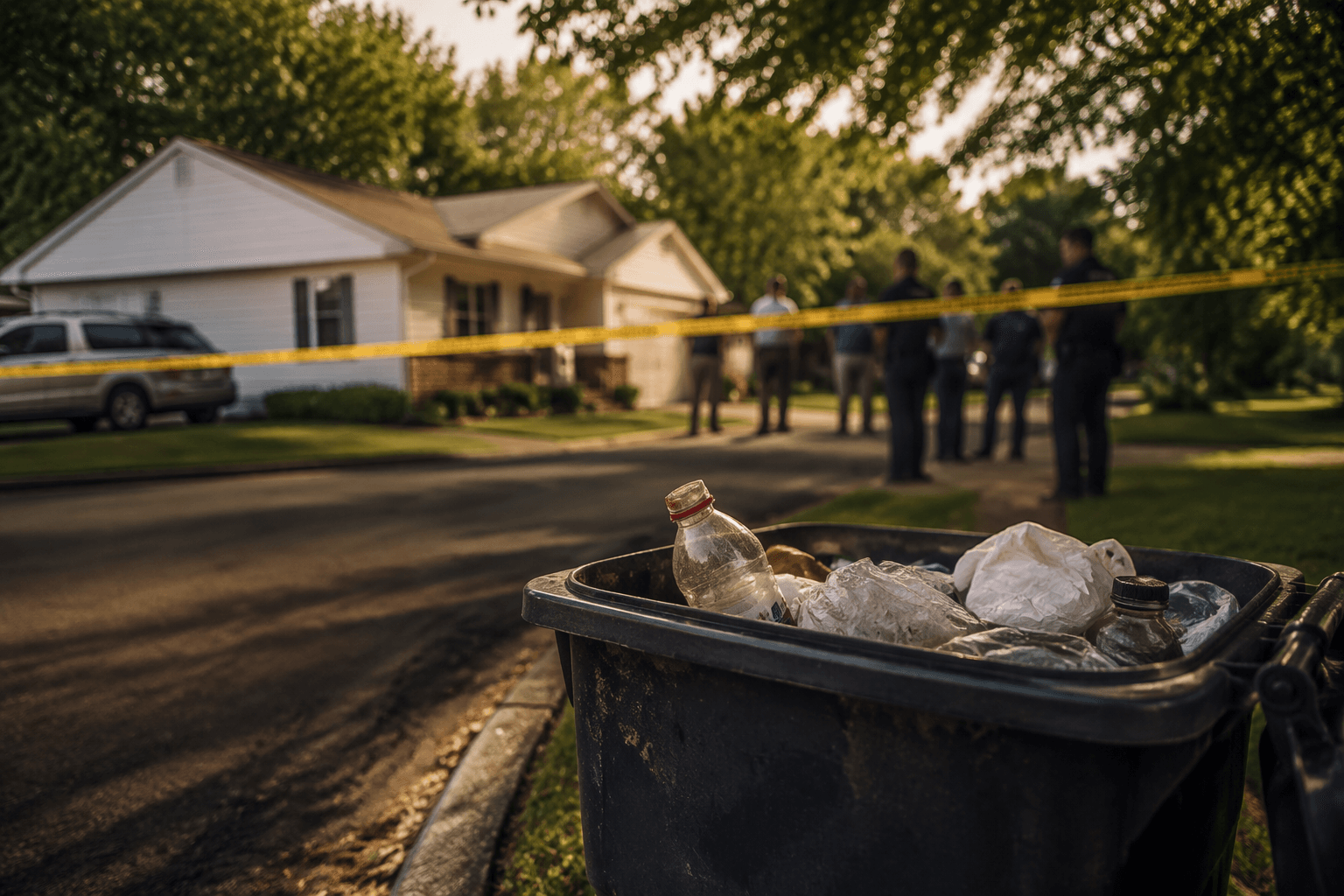
Investigators said the breakthrough came from DNA collected from items in Brown’s trash, including BBQ sauce and soda bottles. That kind of discarded-material DNA collection has become one of the most effective tools in dormant homicide investigations because it gives detectives a fresh reference sample without needing the suspect to surrender one voluntarily. Once that sample is tested against preserved evidence from the original crime scene, investigators can build the kind of corroboration that older cases often lacked.
The case also shows how much forensic practice has changed since 1981. At the time Bruneau was killed, detectives would have been far more dependent on witnesses, confessions or physical evidence that could be matched only with the testing available then. Today, preserved evidence can be re-examined with modern methods, and a suspect’s own trash can become the bridge between an old file and a new arrest.
Even with an arrest in hand, prosecutors still have to prove the case in court. That means presenting the DNA work, connecting Brown to the scene and showing how the old evidence from Bruneau’s death still holds up after 45 years. One report said Brown was arrested and charged, while another said he was indicted in the murder case, but the central question now is whether the preserved evidence and the new DNA sample will withstand courtroom scrutiny.
For Bruneau’s family, the arrest marks the first major movement in years on a case that began with a woman found strangled in her own home. For investigators, it is another example of how a careless disposal of trash can revive a murder file that once seemed beyond reach.
This article was produced by Prism’s automated news system from verified source data, official records, and press releases, then run through automated quality and moderation checks before publishing. The system is built and supervised by the people who set the standards it runs under. Read our full AI policy.
Did this article answer your question?