DNA Links Suspect to 1990 San Diego Murder Trial
A 1990 hillside killing is now being tested against decades-old DNA and jailhouse statements, with the defense calling the case flawed from the start.
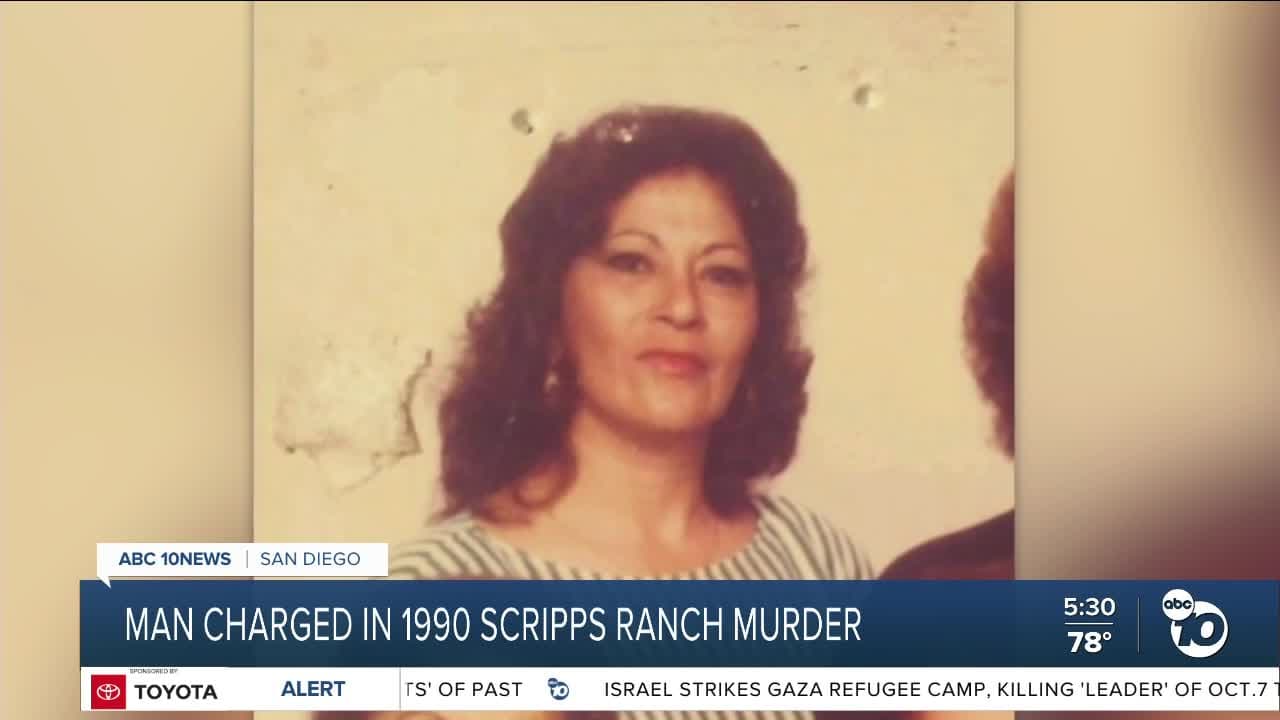
The central question in San Diego’s long-delayed murder trial is brutally simple: can decades-old DNA and jailhouse admissions carry the weight of a conviction for Margaret Orozco Jackson’s 1990 killing, or will the defense persuade jurors that the case was built too late, too piecemeal, and too far from the original scene to be trusted?
Opening statements began Monday at the Hall of Justice downtown, where prosecutors laid out a case that reaches back 36 years. Jackson, a 47-year-old Hispanic woman, was found on July 11, 1990, on a hillside in the 10300 block of Scripps Ranch Boulevard, near what is now Scripps Ranch High School. Police said a rope was wrapped around her neck, and prosecutors told jurors she had been severely beaten and strangled. The location alarmed investigators so much that the San Diego Metropolitan Homicide Task Force took over, while officials were also examining more than 40 killings of women who were sex workers and feared a serial offender or other repeat killer might be responsible.
The prosecution’s forensic case rests on modern DNA testing. Detectives reopened the file in 2022 through the San Diego Homicide Cold Case Unit and the District Attorney’s Cold Case Unit, reexamined physical evidence, followed leads, and interviewed witnesses before identifying Randall Oyler as a suspect. Prosecutors say DNA found beneath Jackson’s fingernails and elsewhere on her body matched Oyler, who was 29 when Jackson was killed and is now 65. He was not identified as a suspect until 2022, and San Diego police arrested him on October 26, 2023, while he was already in custody at San Diego Central County Jail on a probation-violation warrant.
The witness-based portion of the case is thinner and more contested. Prosecutors say Oyler was later placed in a jail cell with an undercover operative posing as another inmate, and that the statements he made there will help prove guilt. That kind of jailhouse evidence can be powerful, but it also invites scrutiny, especially when it comes years after the homicide and depends on how the conversation was arranged and recorded. Defense attorney Kara Oien is expected to argue that the investigation was flawed from the beginning and that the state is leaning too heavily on weak evidence and staged jailhouse statements instead of a clean forensic timeline.
For Jackson’s family, the case has already carried a rare kind of resolution. Her niece, Andrea Carrasco, recognized her aunt from a distinctive tattoo on the victim’s leg in a 1990 television report, and the arrest in 2023 gave relatives a suspect after more than three decades of waiting. The trial, led by Deputy District Attorney Chris Lindberg, began on May 11, 2026, Jackson’s 83rd birthday, turning an old fear from Scripps Ranch into a modern courtroom test of what delayed evidence can still prove.
This article was produced by Prism’s automated news system from verified source data, official records, and press releases, then run through automated quality and moderation checks before publishing. The system is built and supervised by the people who set the standards it runs under. Read our full AI policy.
Did this article answer your question?