Montgomery County joins FBI pilot to speed DNA matches in cold cases
A 90-minute DNA match could put a fresh suspect in an interrogation room before the booking sheet cools. Montgomery County is betting that speed will crack cold cases like Deanna Ogg’s faster.
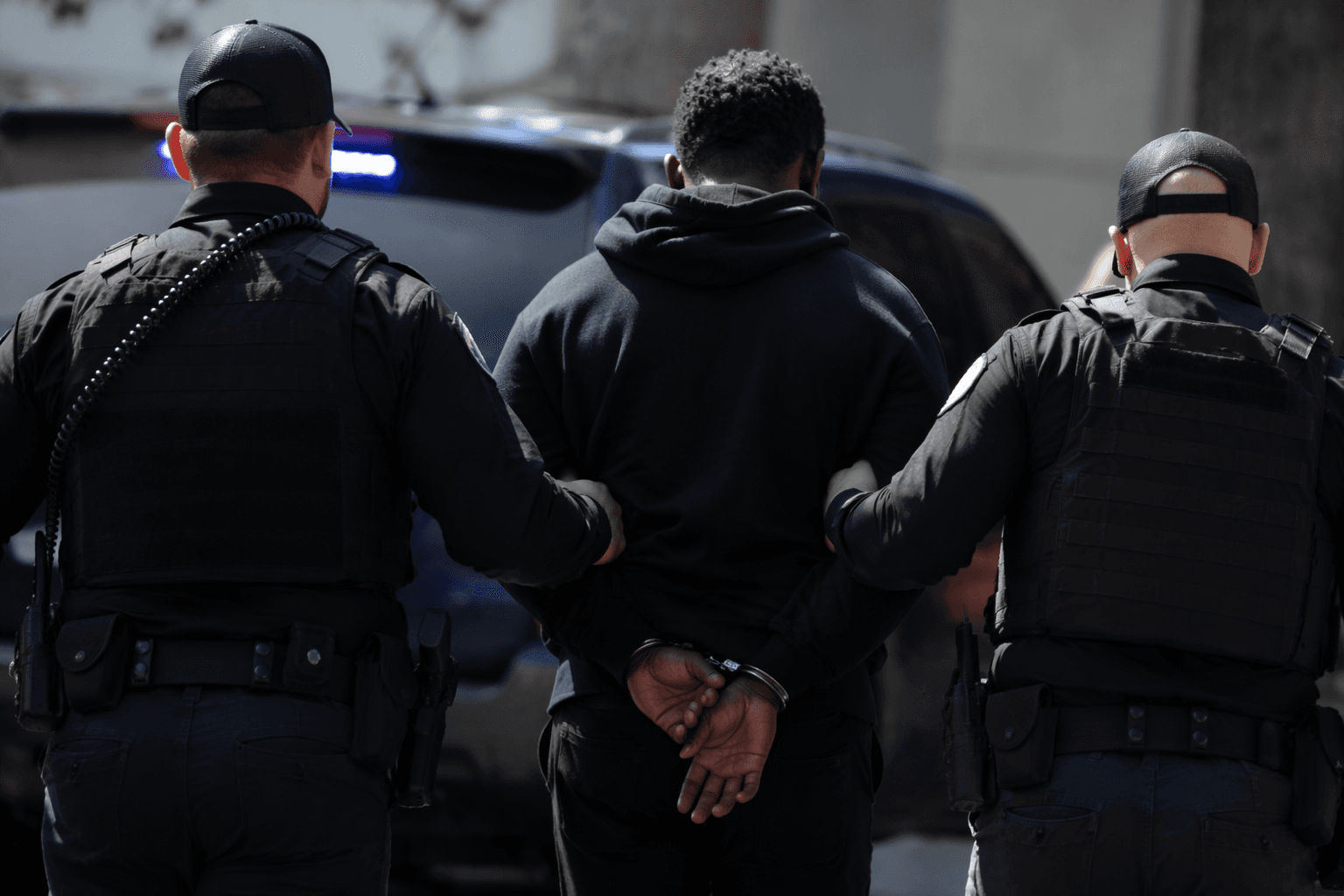
A felony arrest in Montgomery County could soon do more than start a case file. It could kick off a DNA comparison in about 90 to 120 minutes, fast enough to tie a suspect to an old homicide, sexual assault or kidnapping while that person is still in custody.
That is the promise behind the FBI pilot Montgomery County is joining with Williamson County, a two-county Texas test authorized by Senate Bill 1723 and scheduled to run for two years. The first year has been reserved for instrument and information-technology development, and Texas officials say Rapid DNA processing of collected samples is expected to begin no later than September 1, 2026. The Texas Department of Public Safety says the booking-station process is meant to cut turnaround from roughly 72 hours in a lab to about 90 to 120 minutes.
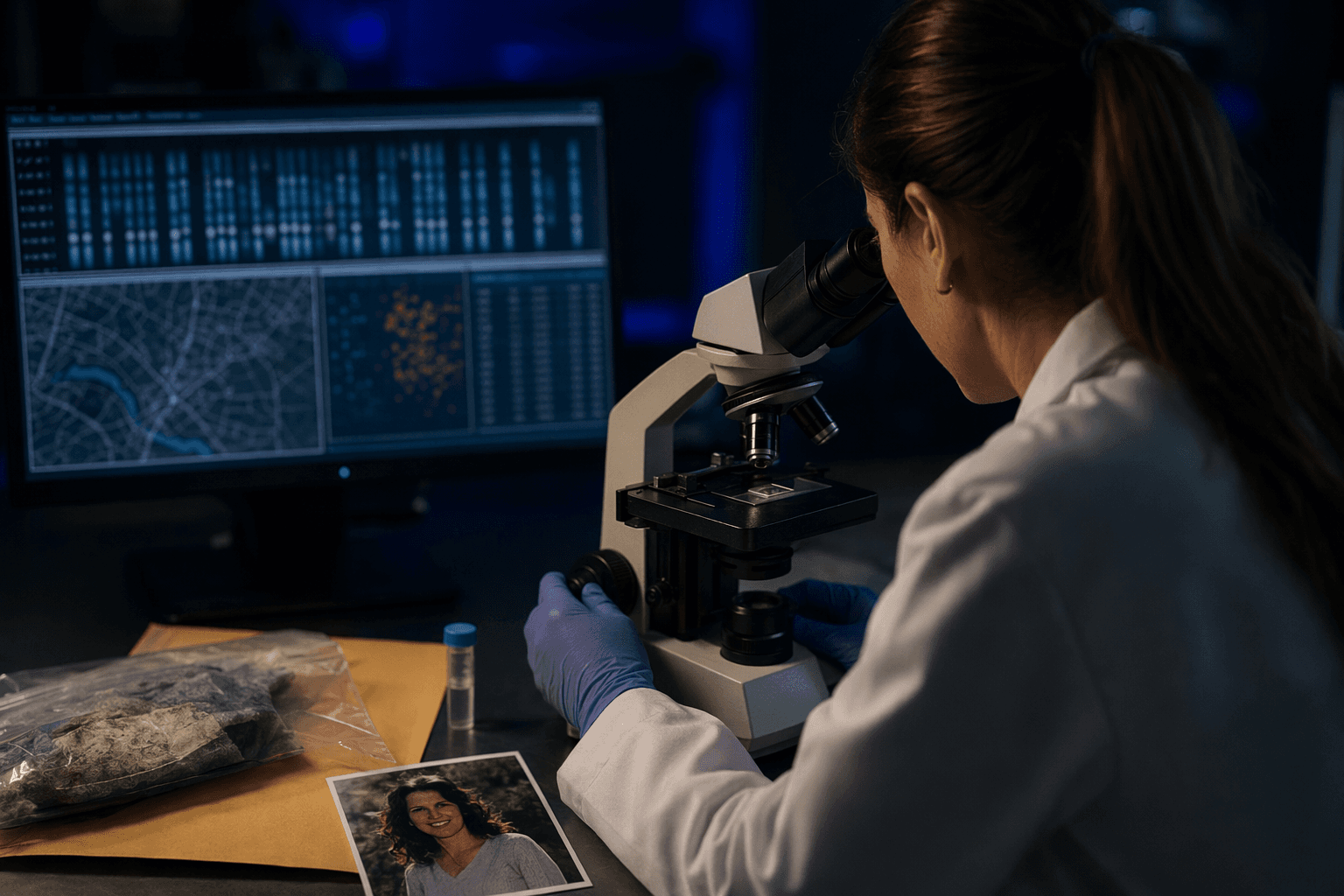
For true-crime readers, the timing lands hard because Montgomery County just watched one of its oldest murders break open. Sheriff Wesley Doolittle announced the arrest of Bobby Charles Taylor Sr. in the 1986 killing of 16-year-old Deanna Ogg on May 6, 2026, nearly 40 years after she was killed in September 1986. Later reporting said investigators used DNA and genealogy in the breakthrough, making the case a local example of how old evidence can still identify a suspect when the right forensic tools finally catch up.
Rapid DNA changes the pace at the booking desk. The FBI describes it as a fully automated process that can generate a CODIS Core STR profile from a mouth swab in about one to two hours. In the booking-station model, qualifying arrestees can be enrolled in CODIS and searched against unsolved crimes within 24 hours. The FBI also says those profiles can be compared against the DNA Index of Special Concern, which includes unsolved homicides, sexual assaults, kidnappings and terrorism cases. That is the part investigators will care about first: the chance to connect a recent arrest to a murder or assault case before the suspect posts bond, moves on, or disappears into another jurisdiction.
There is still caution around the technology. The Houston Forensic Science Center has warned that Rapid DNA is only as useful as the security and infrastructure supporting it, and the Texas Innocence Project has noted that DNA advances can also support exonerations. Montgomery County’s move puts both sides of that equation on display: faster hits for investigators, and a tighter system for making sure the science is handled correctly. If the pilot works as promised, the next cold-case breakthrough in Montgomery County may arrive in hours, not decades.
This article was produced by Prism’s automated news system from verified source data, official records, and press releases, then run through automated quality and moderation checks before publishing. The system is built and supervised by the people who set the standards it runs under. Read our full AI policy.
Did this article answer your question?