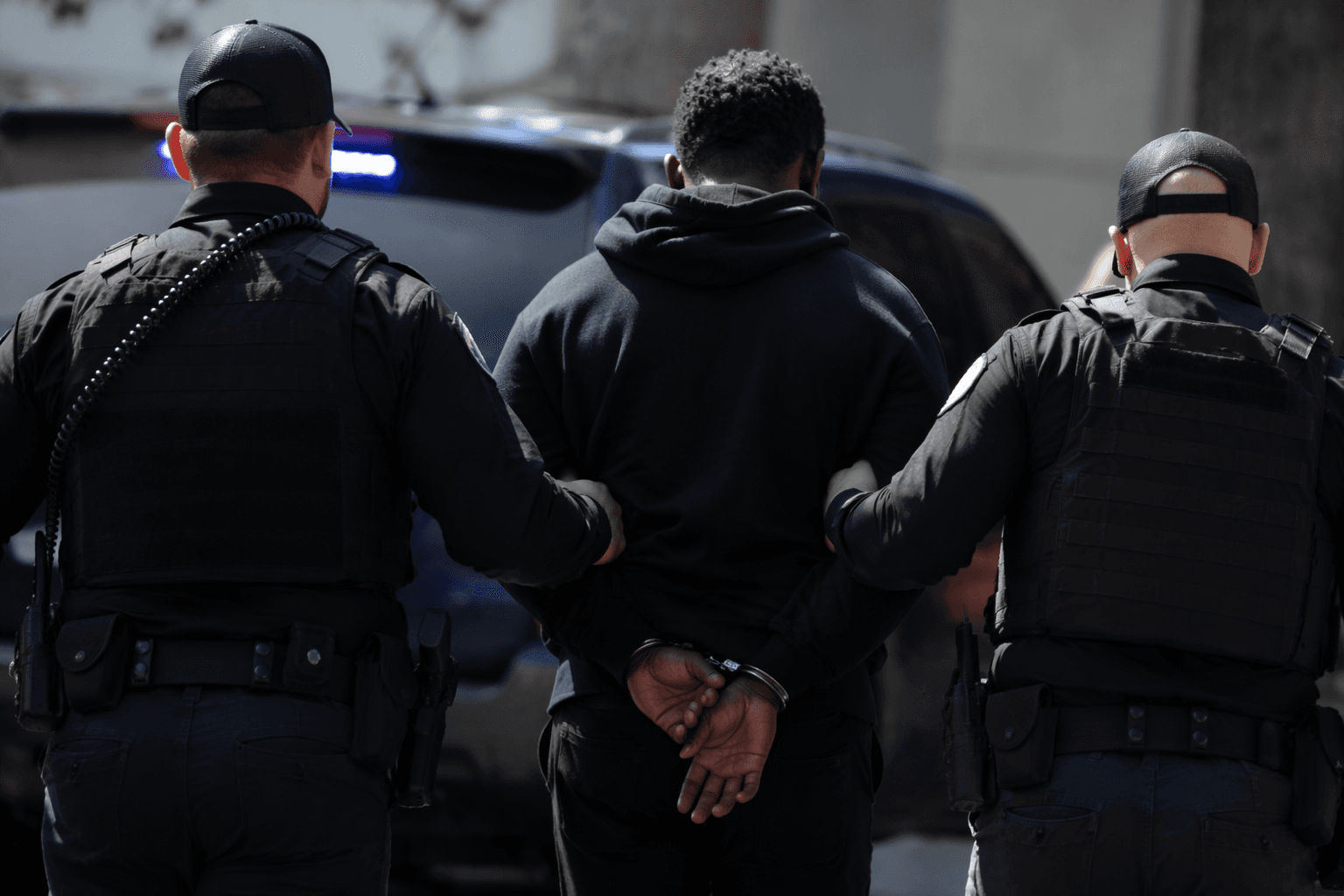
Experts Blast Mishandled Crime Scenes in Guthrie, Greenberg, Ramsey Cases
Experts put Nancy Guthrie, Ellen Greenberg and JonBenét Ramsey on a grim scorecard of botched crime scenes, where missing evidence keeps doubt alive for years.
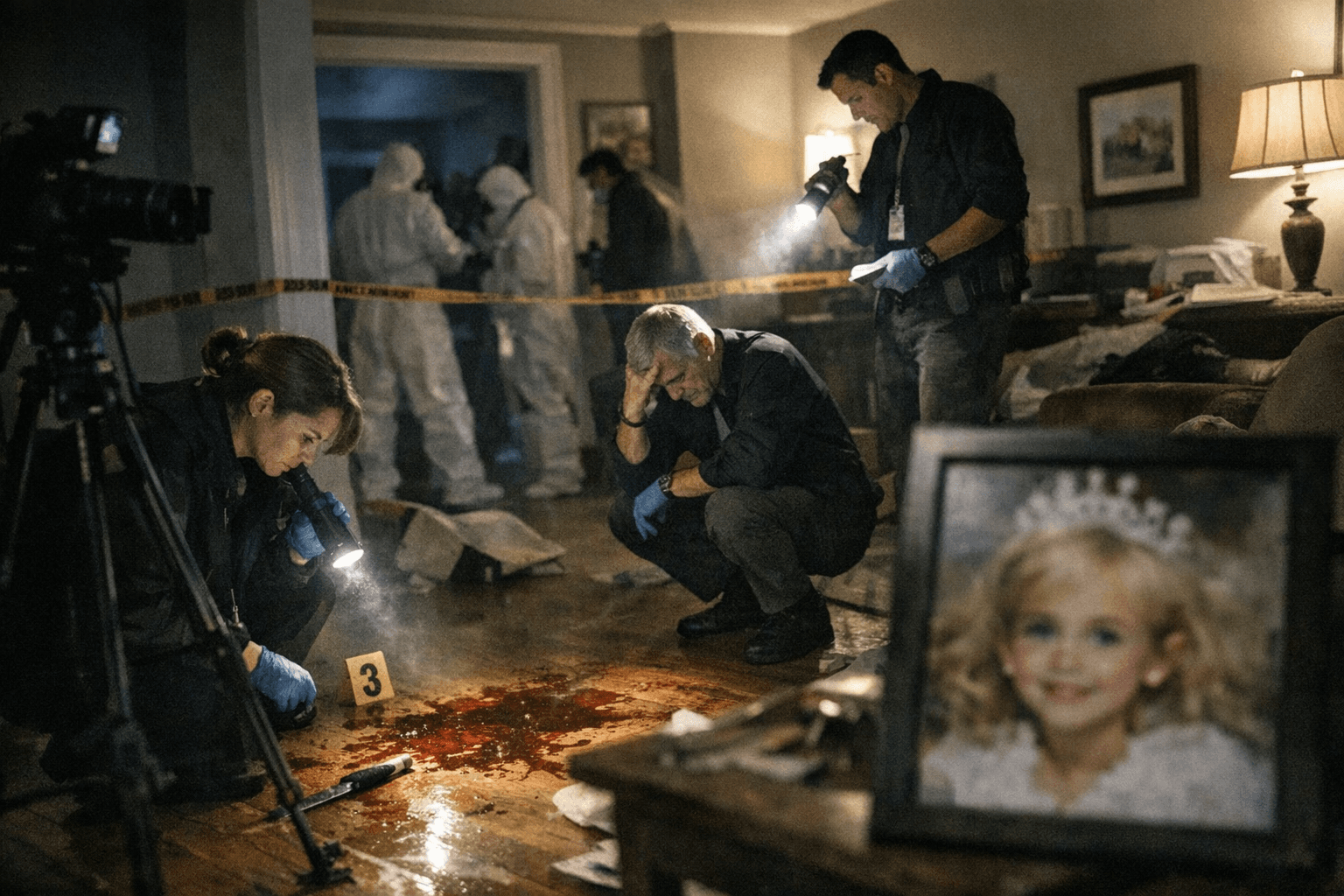
At Hamptons Whodunit, the harshest critique was not aimed at a suspect but at the crime scenes themselves. On a panel titled From Mishandling to Mistrial: The Cost of Crime Scene Mistakes, forensic and legal experts zeroed in on Nancy Guthrie, Ellen Greenberg and JonBenét Ramsey as cautionary examples of how early errors can poison a case before it ever reaches court.
The Nancy Guthrie case carried immediate weight because the 84-year-old mother of NBC News journalist and Today co-anchor Savannah Guthrie was reported missing on February 1, 2026 from her home in Catalina Foothills, Arizona. Pima County Sheriff Chris Nanos said the case was being treated as an abduction, and the panel materials explicitly asked whether sheriff’s mistakes cost Nancy Guthrie her life. That is the kind of failure that leaves a case stuck in the worst possible place: a frantic search, a public mystery, and an investigation shaped by whatever evidence was not preserved, documented, or pursued fast enough.
The JonBenét Ramsey case remains the clearest example of lost forensic opportunity. The panel materials said police refused to test DNA on six pieces of evidence, including the garrote used to kill the 6-year-old after she was reported missing on December 26, 1996, and found dead inside the home. Boulder Police later said the case was reviewed by outside experts on the Colorado Cold Case Review Team to generate recommendations and determine whether updated technologies or forensic testing could produce new intelligence. Even decades later, that detail still fuels the central doubt in the Ramsey case: if evidence is never fully tested, the truth can age into myth.
Ellen Greenberg’s case shows a different kind of damage, one tied to paperwork, interpretation and the fight over the official story. The 27-year-old Philadelphia teacher was found dead on January 26, 2011 with 20 stab wounds and 11 bruises. Her manner of death was first ruled homicide, then changed to suicide, and in October 2025 the Philadelphia Medical Examiner’s Office again classified the death as suicide in a new report. By early 2026, the U.S. Attorney’s Office for the Eastern District of Pennsylvania had requested documents in the matter, a sign that the case was still generating scrutiny long after the original scene was processed.
Taken together, the three cases read like a forensic failure scorecard. Miss the scene, mishandle the evidence, or lock in the wrong conclusion too soon, and the consequences do not end when the tape comes down. They echo for years, in court filings, outside reviews and families that never stop pushing back.
This article was produced by Prism’s automated news system from verified source data, official records, and press releases, then run through automated quality and moderation checks before publishing. The system is built and supervised by the people who set the standards it runs under. Read our full AI policy.
Did this article answer your question?