Familial DNA helps solve the 1999 murder of Minerliz Soriano
Twenty-six years after Minerliz Soriano was killed, familial DNA cracked the case and led detectives to Joseph Martinez. A cold trail finally gave way to a match.
The case that would not stay buried
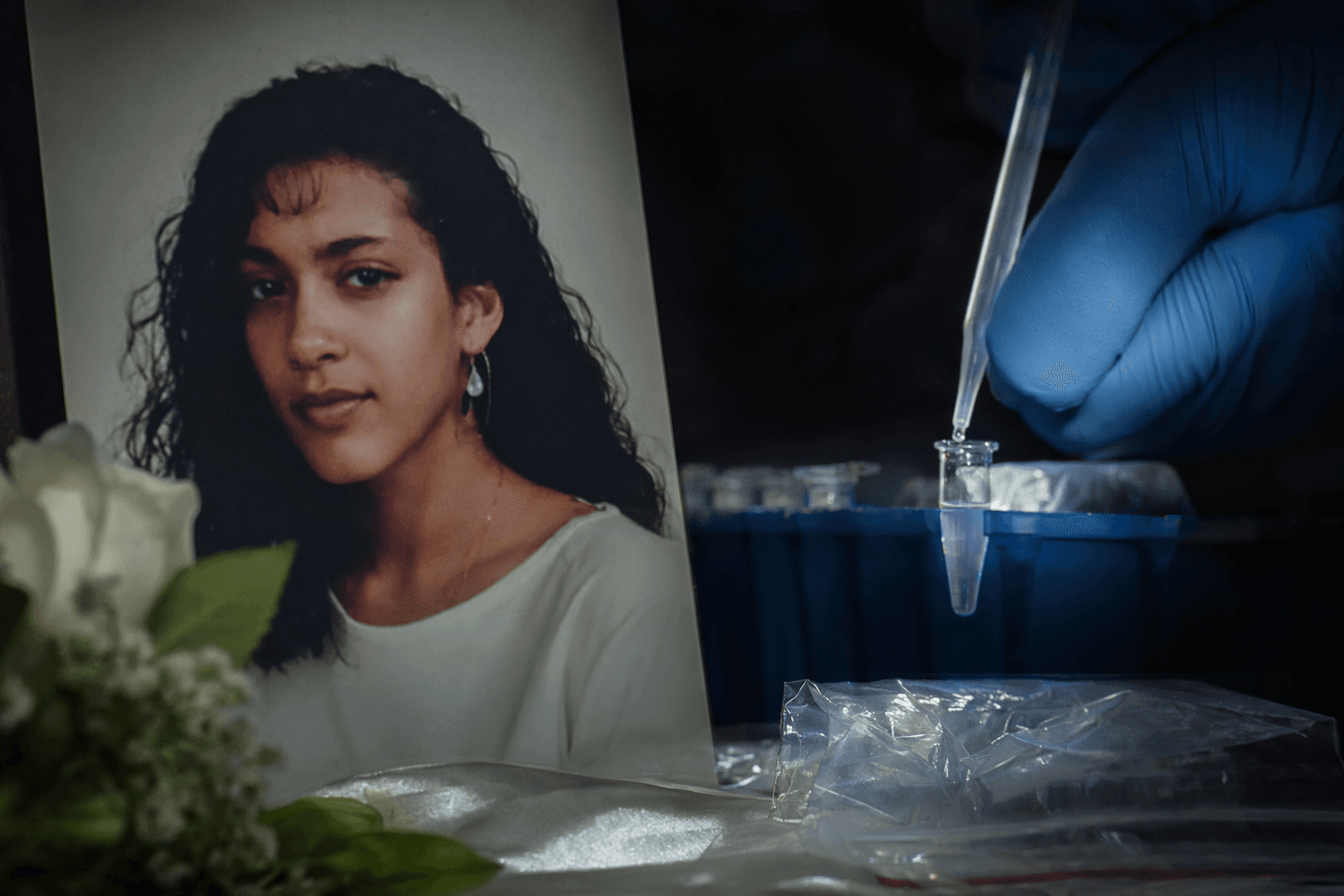
Minerliz Soriano was 13 when she disappeared after school on February 24, 1999. Four days later, her body was found in a dumpster in Co-op City in the Bronx, and investigators determined she had been sexually assaulted and strangled. For more than a quarter century, the case sat in the dark, stubbornly resisting the usual forensic playbook and leaving her family with unanswered questions.
That dead end mattered. Police had already worked through possible suspects, including Soriano’s stepfather, but conventional testing did not produce a usable match. In a case like this, that kind of stall can freeze an investigation for years. Here, it lasted 26 years.
Why familial DNA changed everything
The breakthrough came when Bronx detectives revived the case in 2018 with familial DNA, a method that looks for genetic relatives instead of waiting for an exact suspect profile to appear. In Soriano’s case, that approach pointed investigators toward a relative of the man who deposited semen on her sweatshirt, giving detectives a lead where none had existed before.
From there, the work became a family-tree exercise. Police narrowed the lead through the man’s five sons, eliminating two because they were too young and focusing on the others. One name kept rising to the top: Joseph Martinez. He stood out not because he had a criminal history, but because he did not. That clean record made the family-based approach even more important, since traditional databases had nothing obvious to grab onto.
Martinez also had a direct connection to the neighborhood. Investigators learned he had lived in Soriano’s apartment building when she was killed, a detail that gave the familial DNA lead real-world weight. In true crime terms, this was the kind of link that turns a genetic hunch into a viable suspect.
The January 2021 move that sealed the case
Familial DNA got detectives close, but not close enough for an arrest. They still needed a direct sample from Martinez, and that meant a carefully managed undercover step. In January 2021, a Bronx detective arranged for a police officer posing as a parent looking for tutoring help for her child to meet Martinez at a diner in New Rochelle.
After that meeting, officers collected Martinez’s used straws. The DNA taken from them matched the sample from Soriano’s sweatshirt, giving detectives the confirmation they had been chasing. That was the real turning point, the moment when a decades-old mystery stopped being a theory and became a provable identity.
Martinez was publicly identified in 2021, and the case that had once seemed impossible to solve suddenly had a name. Prosecutors later said he also used the nickname “Jupiter Joe,” and reports described him as giving astronomy lessons to children, a detail that only sharpened the contrast between his public persona and the allegations tied to the case.
From cold case to landmark conviction
The Soriano investigation became more than one homicide case. The Bronx District Attorney’s Office called it the first case in New York City solved using familial DNA, and later said a Bronx jury returned guilty verdicts on two counts of second-degree murder against Joseph Martinez, bringing justice after 26 years. In March 2026, Martinez was sentenced to 25 years to life in prison.
That legal outcome landed inside a larger shift in New York criminal procedure. In October 2023, the New York Court of Appeals ruled that police may again use familial DNA searches in the state, reopening a tool that had been paused. The Soriano case now stands as a high-profile example of how that technique can move an old homicide from speculation to conviction.
Darcel D. Clark, the Bronx district attorney, framed the prosecution as long-delayed justice for Soriano’s family and for cold-case work more broadly. Soriano’s relatives, meanwhile, said the passage of time had not erased the loss. Her aunt said the family would never forget what happened, a reminder that the case was never just about forensic advancement. It was about a 13-year-old girl who vanished after school and a family that waited more than a generation for answers.
What makes this case so important to true crime watchers
For the true crime community, the Soriano case is a textbook example of how modern DNA work can reopen a file that looked exhausted. The original investigation hit a wall because there was no clean suspect match, and even testing on people close to the case did not solve it. Familial DNA changed the direction of the investigation, the undercover diner meeting supplied the direct evidence, and the later conviction closed a loop that had been open since 1999.
It is also a reminder that cold cases rarely break all at once. Sometimes the first crack is not a confession or a new witness, but a relative in the genetic record, a narrow list of sons, and a discarded straw from a diner table. In Soriano’s case, that chain of events finally turned a hidden killer into a named defendant, and a 26-year wait into a verdict.
Know something we missed? Have a correction or additional information?
Submit a Tip