RCMP identifies man found in Malpeque Bay in 1997 using DNA
The man pulled from Malpeque Bay in 1997 finally has a name, after familial DNA linked his remains to relatives nearly 30 years later.
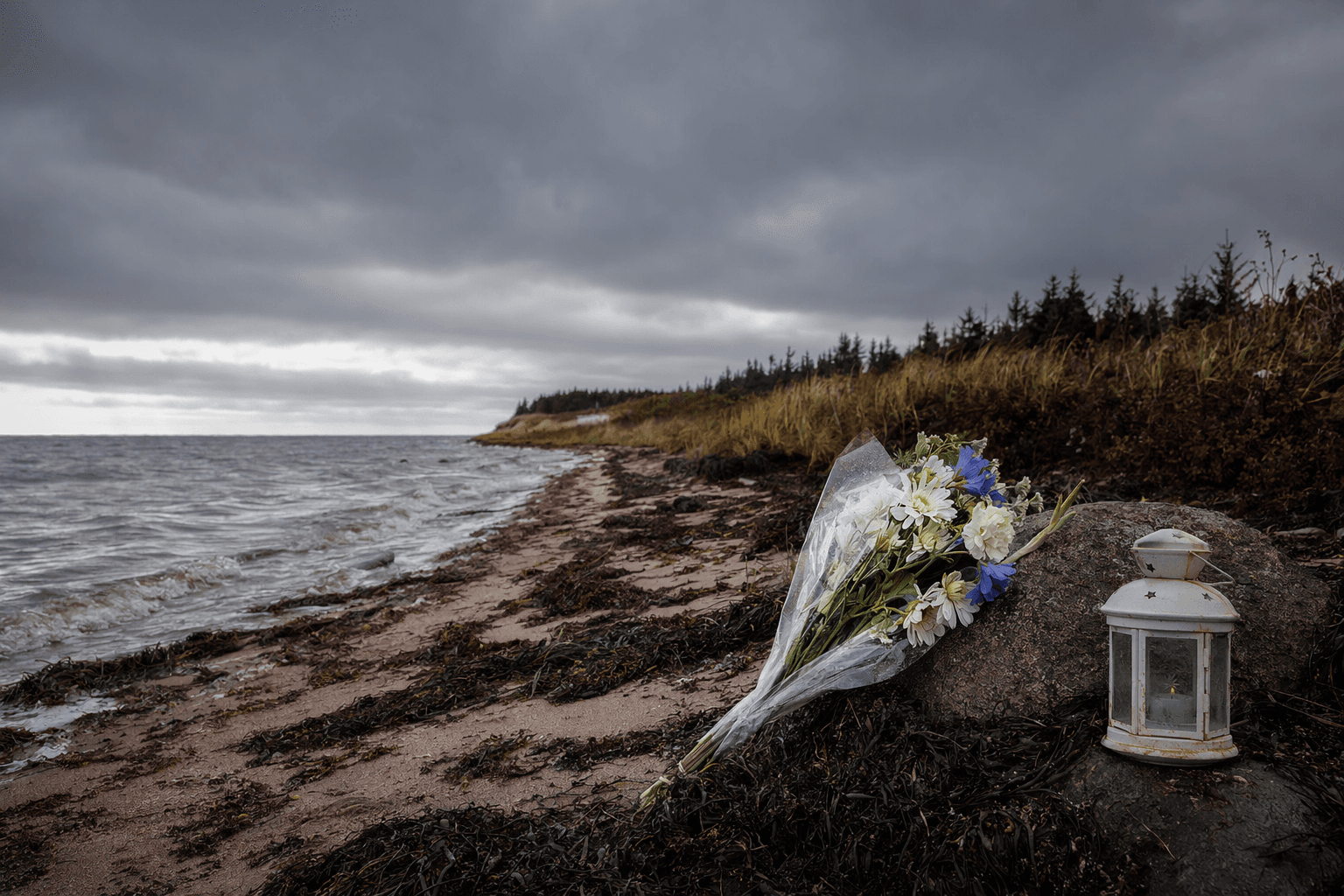
The man pulled from Malpeque Bay in 1997 finally had his name back, closing one of Prince Edward Island’s longest anonymous death cases after familial DNA linked his remains to relatives nearly 30 years later. For a family that had gone without answers for decades, the breakthrough turned a John Doe buried in Charlottetown’s People’s Cemetery into a person again.
A local fisherman found the body on June 7, 1997, and investigators were never able to identify him at the time. The remains were eventually laid to rest in Charlottetown under the name John Doe, while the case settled into the kind of silence that haunts cold-case files for years. What had started as a grim discovery in Malpeque Bay became one of the province’s most stubborn unresolved mysteries.
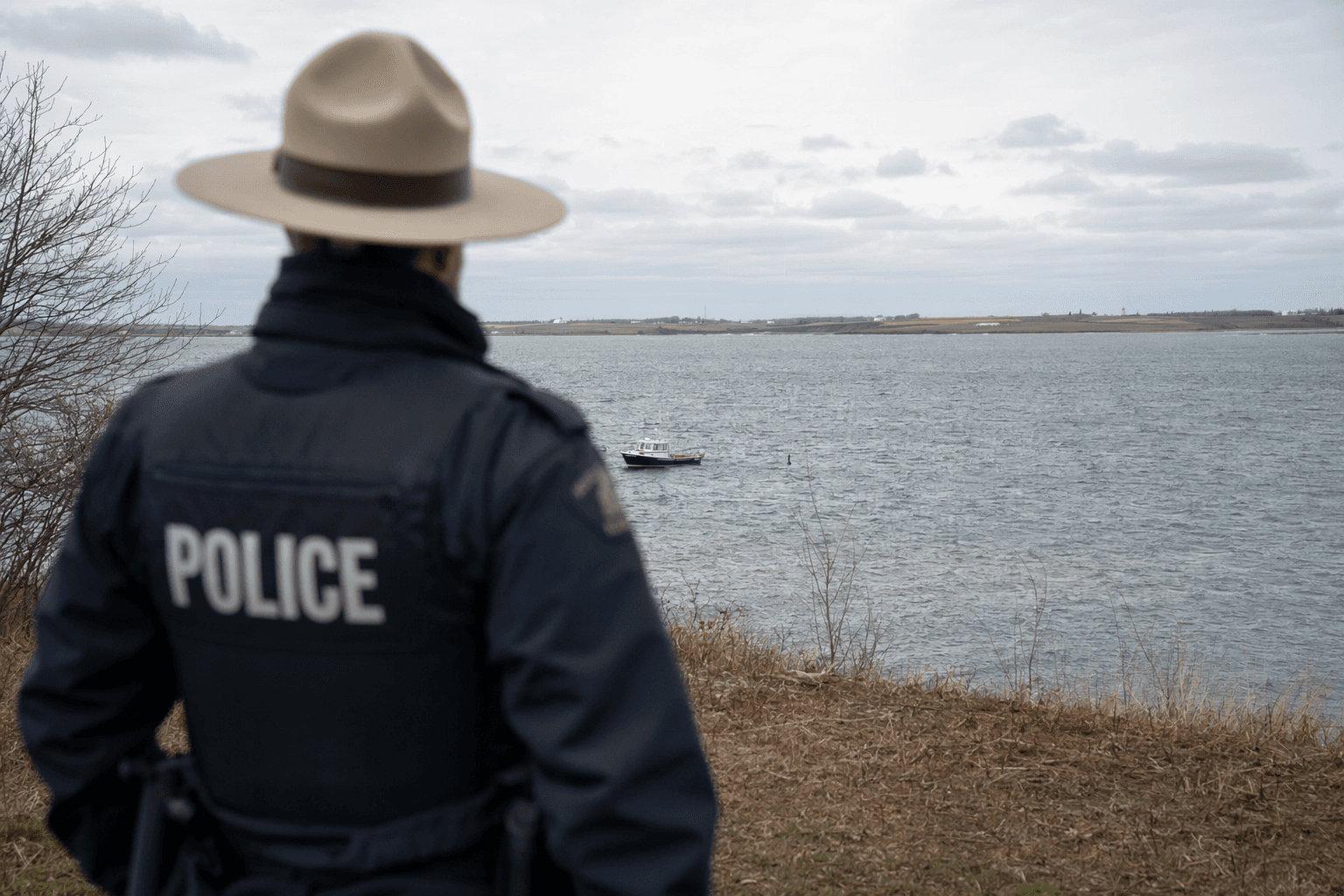
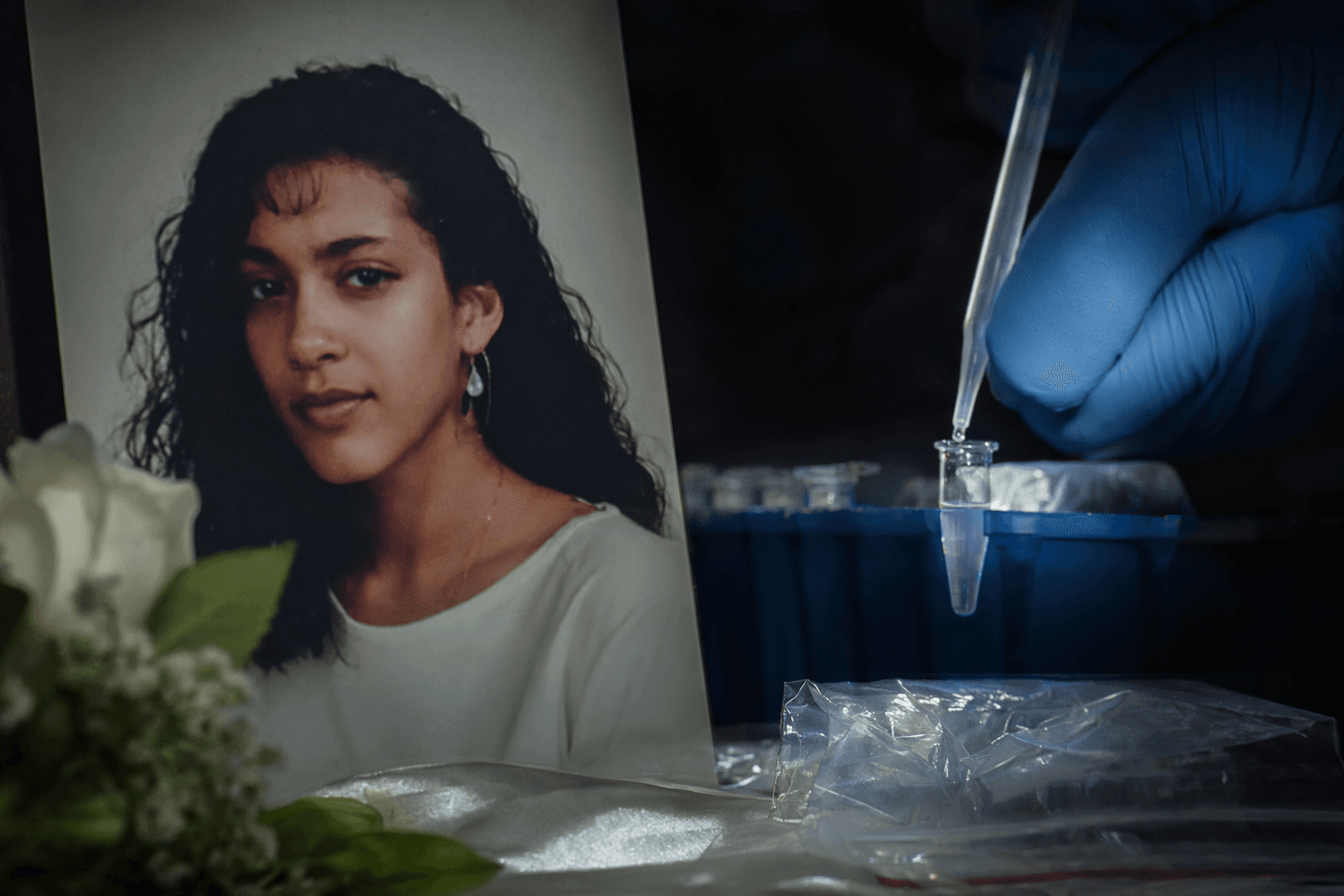
The RCMP Major Crime Unit said the identification came through familial DNA, with police notifying the man’s family after the match was made. The case was revisited repeatedly over the years, and police had also used facial reconstruction technology in an earlier attempt to generate tips and move the file forward. In the end, it was the combination of renewed effort and DNA family matching that finally gave investigators the answer they had been chasing.
The RCMP said no criminality is suspected, making this a case of identification and closure rather than a homicide prosecution. The P.E.I. Coroner’s Office, the Quebec Coroner’s Office and the Sûreté du Québec all helped resolve the file, underscoring how a decades-old unidentified-remains case can span jurisdictions before a name is restored. After nearly 30 years of anonymity, the man from Malpeque Bay is no longer a John Doe, and the family left behind has an answer that had been missing since 1997.
Know something we missed? Have a correction or additional information?
Submit a Tip