Fresh DNA taken from Michael Stone in Chillenden murders review
Fresh DNA was taken from Michael Stone 30 years after the Chillenden murders, as the CCRC reopened a case that still shadows Josie Russell.

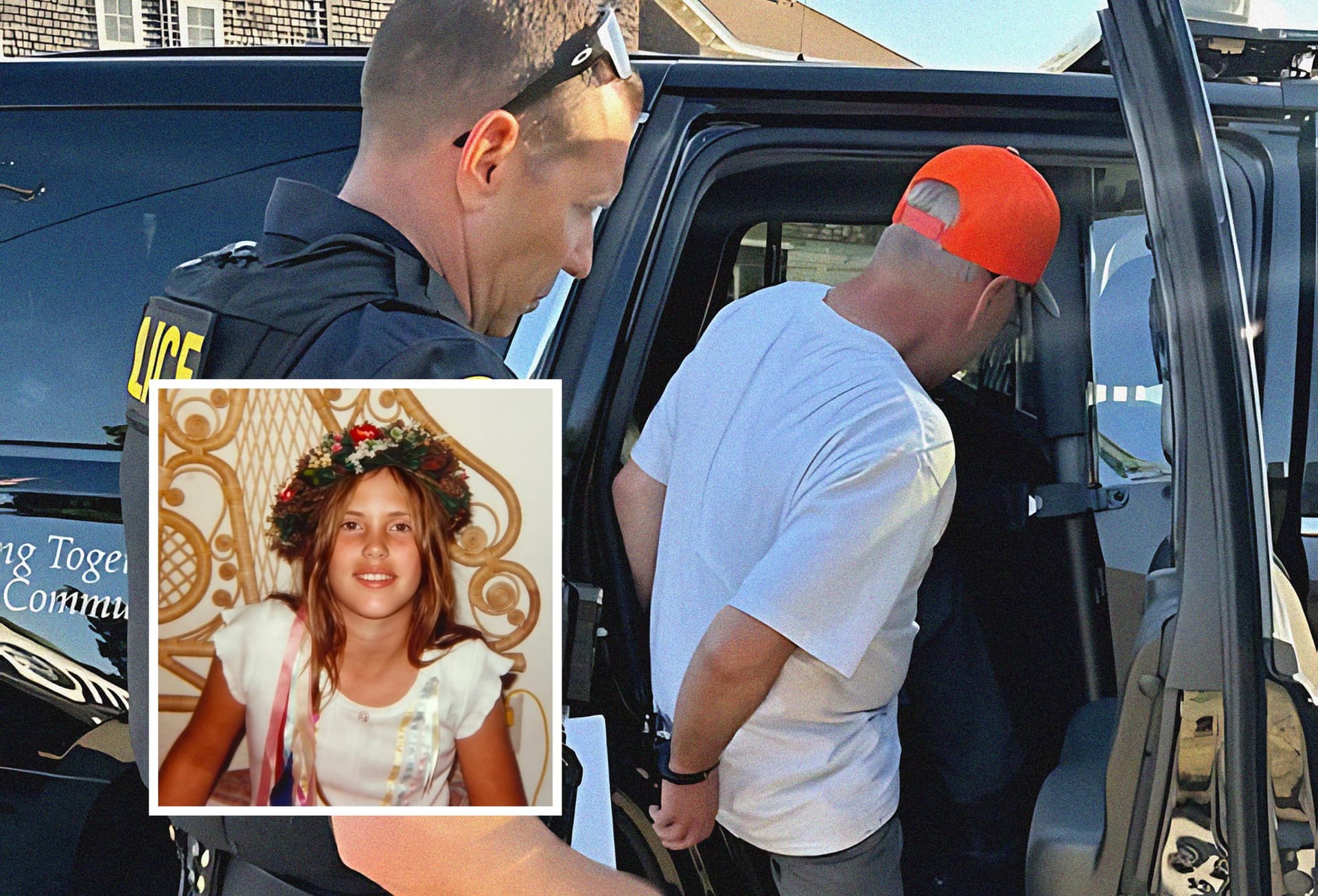
Investigators took fresh DNA samples from Michael Stone as the Criminal Cases Review Commission reopened the long-running Chillenden murders case, three decades after Dr Lin Russell and her six-year-old daughter Megan were killed on a lane near Canterbury, Kent. The sample was due on Thursday, exactly 30 years after the attack that left Josie Russell, then nine, with severe head injuries and brain damage.
Stone is serving three life sentences after Nottingham Crown Court convicted him in October 2001 of two murders and the attempted murder of Josie Russell. The jury found him guilty over the 9 July 1996 hammer attack in Chillenden, and the case has remained one of Britain’s most scrutinised murder convictions ever since.
The new review by the CCRC followed a request from Stone’s representatives. In 2023, the commission said its previous reviews had found no credible evidence or argument that created a real possibility of the convictions being quashed, but the latest DNA testing gives the case a fresh forensic angle. The central question is whether modern analysis can confirm the original verdict, or whether it could expose weaknesses in evidence that once seemed settled.
The review has also been pushed back into the public eye by reported claims that serial killer Levi Bellfield admitted to the Russell murders. That allegation has intensified scrutiny of the evidence that put Stone behind bars and renewed debate over whether post-conviction testing could point investigators toward another suspect.
Josie Russell and her father, Dr Shaun Russell, moved from Kent to the Nantlle Valley in North Wales in December 1996. Josie later rebuilt her life and became a textile artist based in Gwynedd. For the family, the attack did not end with the convictions, and for investigators the fresh DNA sample from Stone keeps open a question that has followed the case for years: whether old certainty will survive new science, or whether the evidence will yet shift again.
This article was produced by Prism’s automated news system from verified source data, official records, and press releases, then run through automated quality and moderation checks before publishing. The system is built and supervised by the people who set the standards it runs under. Read our full AI policy.
Did this article answer your question?