Kelly Hunt’s death sparks outrage over slow missing-person response
Kelly Hunt was missing for more than three months before her body was found on Lois Drive, and advocates say the slow response may have cost precious time.

Kelly Hunt’s case has become a hard, ugly question in Alaska: did the response move too slowly after the 19-year-old from Shaktoolik disappeared? For family members and Alaska Native advocates, the timeline is now the center of the grief. Hunt arrived in Anchorage on January 6, 2026, stayed at a residence in the 3200 block of Oregon Drive, left that residence the next morning, and was not reported missing to Anchorage police until January 11.
The search dragged on for months. Anchorage police said Hunt’s missing-person case was assigned to detectives, but her body was not found until April 20, when officers located a deceased person outdoors in the 3500 block of Lois Drive at about 8:56 a.m. Police identified the body as Kelly Hunt on April 24. No arrests have been made, the case remains under investigation, and the State Medical Examiner will determine the cause of death.
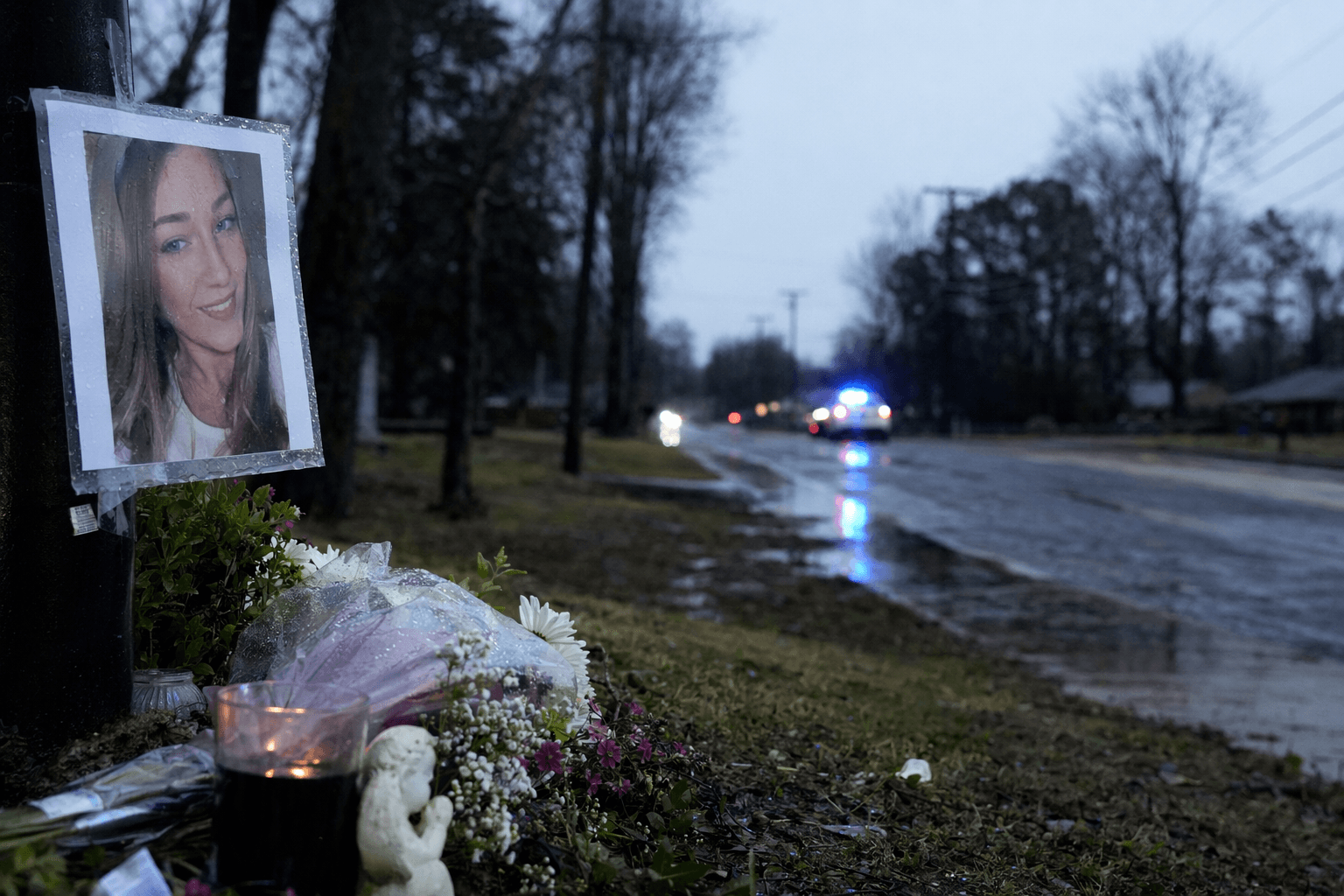
That gap between Hunt’s disappearance and the recovery of her body is what has fueled the outrage. Two advocates conducted their own informal investigation while Hunt was still missing and kept her name in the public eye, a sign of how much community members felt they had to push to keep the case from fading. Memorials and a ribbon-hanging ceremony followed, turning Hunt’s death into a public moment of mourning and a blunt reminder of how often missing Indigenous women and girls do not get fast, sustained attention.
Anchorage police Chief Sean Case said the department acknowledges the loss for Hunt’s family and the community and asked for patience as detectives continue the investigation. But for many Alaska Native advocates, the larger issue is whether patience is exactly what missing people cannot afford. That concern lands in the middle of long-running criticism that Alaska’s response to missing and murdered Indigenous people has been uneven, especially in rural communities and in cases involving young Native women.
The state has taken some steps. Alaska lawmakers passed Senate Bill 151 in May 2024 by a combined 57-1 vote, creating two full-time MMIP investigators, cultural training for police officers, a Missing and Murdered Indigenous Persons Review Commission, and tribal consultation for a statewide needs assessment. Alaska Public Media also reported in 2023 that the state and Anchorage began publishing quarterly missing Indigenous persons reports with new circumstance data after years of pressure for more transparency.
Even with those changes, the backdrop remains grim. In 2024, state Public Safety Commissioner James Cockrell told lawmakers that rural Alaska has been “seriously victimized” by a lack of law-enforcement resources, and advocates including Tami Truett Jerue and Charlene Aqpik Apok have tied the crisis to colonial harms, weak police capacity, and uneven attention. Hunt’s death has now become part of that record, a case defined as much by unanswered questions as by the loss of a young woman whose family and community still want to know whether faster action could have changed everything.
This article was produced by Prism’s automated news system from verified source data, official records, and press releases, then run through automated quality and moderation checks before publishing. The system is built and supervised by the people who set the standards it runs under. Read our full AI policy.
Did this article answer your question?