Milwaukee mother charged in infant fentanyl death, chronic child neglect
A 3-month-old boy died after a bottle tested positive for fentanyl, and Milwaukee prosecutors say the case crosses from overdose into homicide. Tashae Goodman faces reckless-homicide and child-neglect charges.
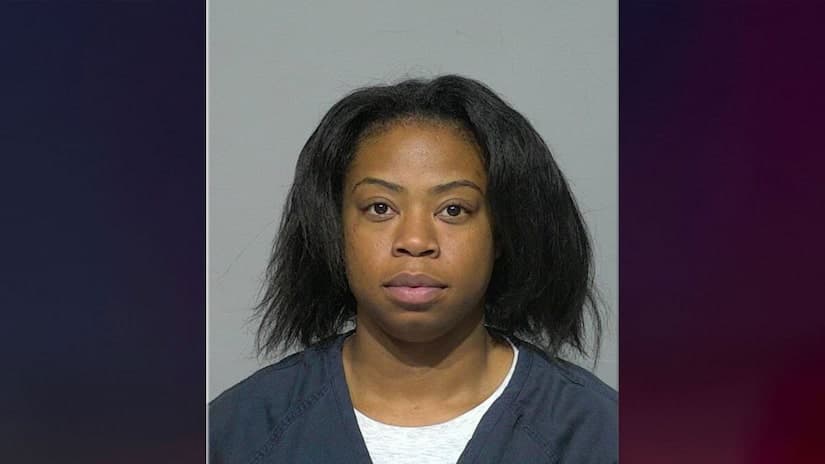
A baby bottle turned a fentanyl death into a homicide case in Milwaukee. Prosecutors charged Tashae Goodman, 31, with first-degree reckless homicide and chronic child neglect after her 3-month-old son died, and the charging file points to more than a tragic overdose: it describes a contaminated feeding bottle, a child found unresponsive in the middle of the night, and a death that investigators say was preventable.
According to the complaint, Goodman called 911 at 3:41 a.m. on March 22, 2026, from a home near 19th Street and Fairmount Avenue. She told dispatchers she had fallen asleep on the baby and later realized the child was not breathing. Paramedics arrived and tried lifesaving measures, but the boy was pronounced dead at 4:29 a.m. The Milwaukee Journal Sentinel reported Goodman was set for an initial court appearance on May 20 and that her cash bond was set at $100,000.
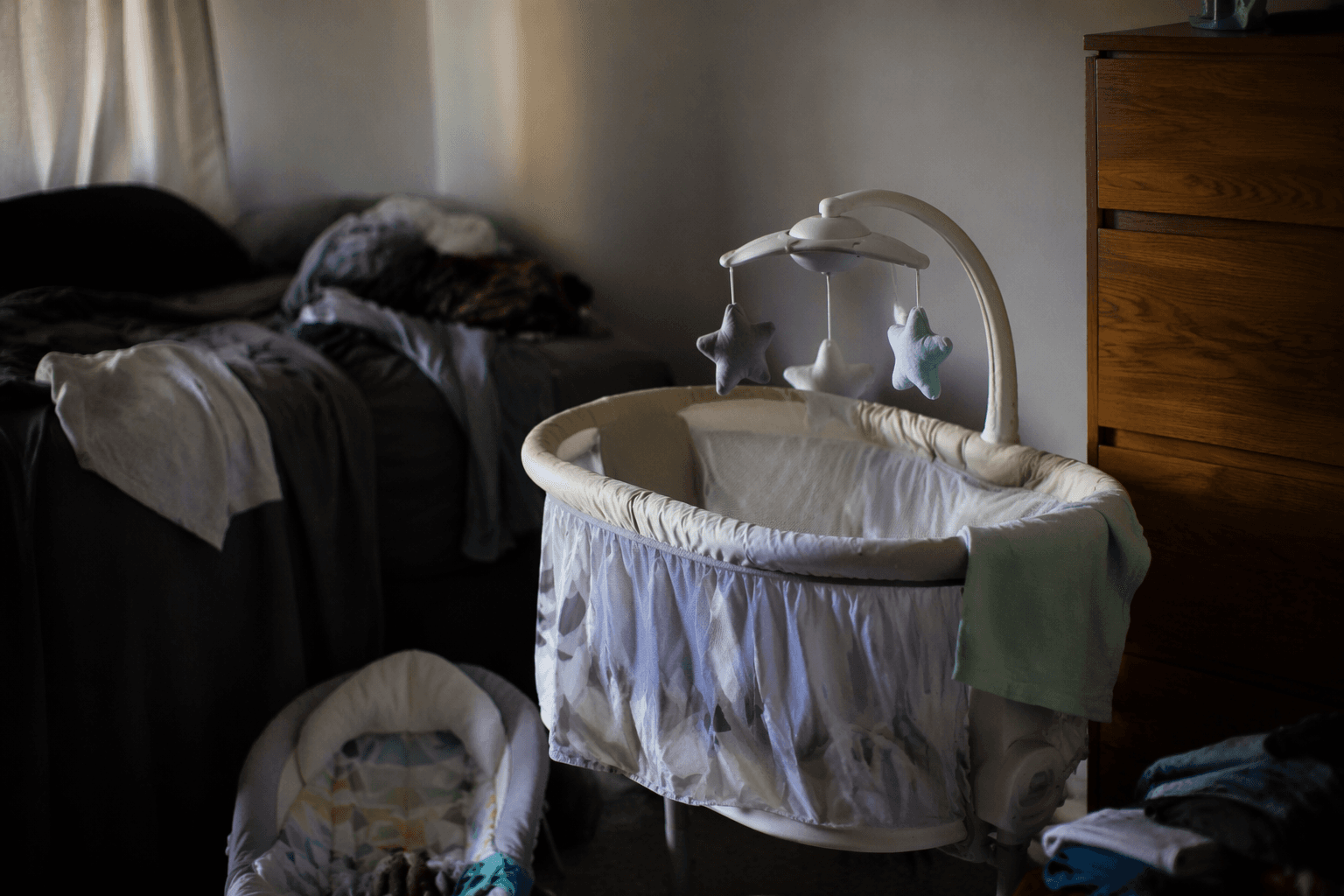
What pushes this case beyond a simple overdose is the toxicology trail. WISN 12 reported that the bottle used for the infant’s last feeding tested positive for fentanyl. Law&Crime reported the child’s system contained fentanyl, xylazine, heroin, and oxycodone, and that the Milwaukee County medical examiner ruled the manner of death homicide after toxicology came back. The medical examiner found no signs of trauma, illness, or disease that explained the death.
Investigators also said the boy had no known medical conditions and was not recently sick. Goodman reportedly told detectives she had fed him formula every three to four hours, that she often held him, and that his last feeding came around 1 a.m. before she laid him down on a sectional couch. She later said she woke around 3:40 a.m. and found him wedged between the couch cushions and the back of the sectional, bleeding from the nose and head, then called 911 and performed CPR. The complaint also says she told investigators the baby had fallen into that couch gap before, a detail prosecutors can use to frame the home environment as a repeated hazard, not a one-time accident.
Wisconsin law gives the filing its weight. First-degree reckless homicide is a Class B felony, and chronic child neglect can also rise to a felony when a child dies as a result. In true-crime terms, that is the line prosecutors are trying to draw here: not just that fentanyl was present, but that access to drugs, the child’s living conditions, and the response time added up to criminal recklessness. That is why the case now sits at the intersection of overdose and child abuse, with the bottle itself becoming the piece of evidence that changed everything.
This article was produced by Prism’s automated news system from verified source data, official records, and press releases, then run through automated quality and moderation checks before publishing. The system is built and supervised by the people who set the standards it runs under. Read our full AI policy.
Did this article answer your question?