Milwaukee river cold case victim identified as Berline Trammel after 44 years
The woman pulled from the Milwaukee River in 1982 was Berline Trammel. A DNA profile from autopsy tissue and four years of genealogy work finally gave her back her name.
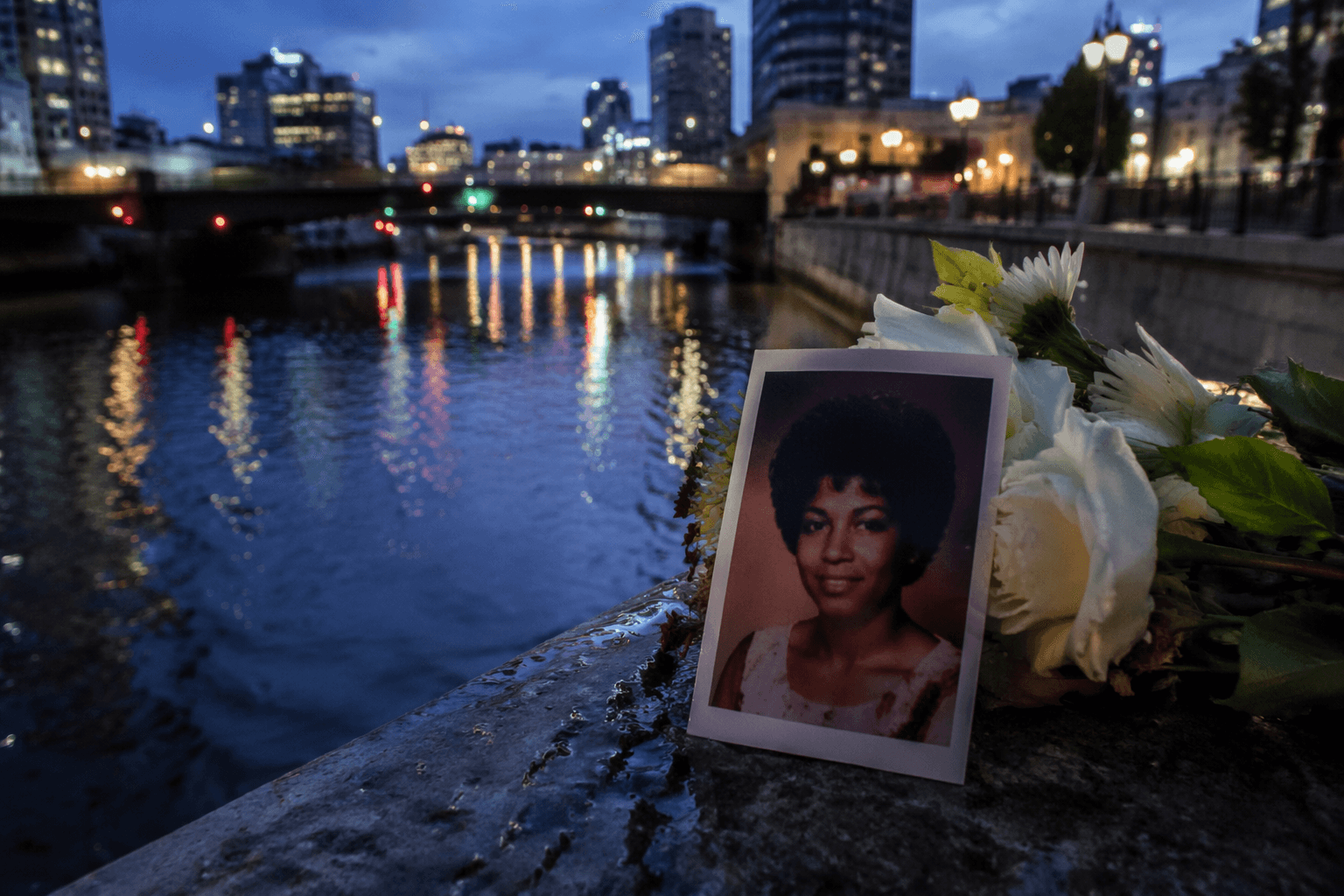
The woman found floating in the Milwaukee River in March 1982 now has a name: Berline Trammel.
For 44 years, Milwaukee’s Jane Doe case sat in the cold-case archive with only fragments to describe her. An off-duty Wauwatosa firefighter discovered the body near 420 North Plankinton Avenue, wedged between two metal barrels tied to a nearby pier. Investigators believed she was between 15 and 29 years old. She was described as African American, with brown eyes, black hair with a reddish tint, and distinguishing scars on her lower stomach, ankle and forearm.
The identification came together only after the Milwaukee County Medical Examiner’s Office exhausted the traditional paths that had failed for decades. Earlier facial reconstructions, NamUs entries and repeated identification efforts did not crack the case. In 2022, the medical examiner’s office turned to Othram for advanced DNA testing and forensic genetic genealogy, pairing the office with the Wisconsin DOJ on the case.
Tissue from the autopsy was used to build a DNA profile. That profile generated family-tree leads, and researchers spent the next four years working those leads into a confirmed identification. The answer was Berline Trammel, born November 17, 1955. DNASolves also lists her as 26 years old, matching the age she would have been around the time she disappeared into the unknown in Milwaukee.
The significance of that breakthrough goes beyond a single solved Doe case. A woman who spent more than four decades in the records as Milwaukee River Jane Doe is once again a person with a name, a birth date and a place in a family history. That matters in true crime because identification is often the first real step toward accountability, even when the rest of the file stays open.

What the DNA work resolved was identity. What it did not resolve was how Trammel ended up in the Milwaukee River, why she remained unidentified for so long, or what happened in the months before she was found between those barrels in 1982. For now, the case has one of its biggest missing pieces back in place, and the old question still hanging over the river is no longer who she was, but what happened to Berline Trammel.
This article was produced by Prism’s automated news system from verified source data, official records, and press releases, then run through automated quality and moderation checks before publishing. The system is built and supervised by the people who set the standards it runs under. Read our full AI policy.
Did this article answer your question?