Nicholas Rossi dies in custody after years of identity denials
Nicholas Rossi, who faked his own death and fought extradition from Scotland, died in Utah custody at 8:32 p.m. after a long identity war.
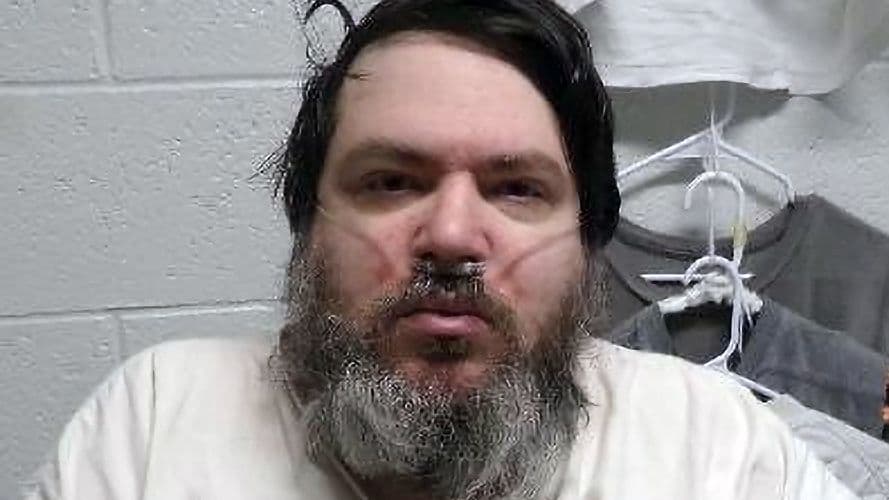
Nicholas Rossi, the Utah sex-offense defendant who spent years denying who he was and claiming he had died, died in custody on June 25, 2026. The Utah Department of Corrections said Rossi, also known as Nicholas Alahverdian, was pronounced dead at a local hospital at 8:32 p.m. after complications from an existing medical condition and after choosing to discontinue treatment.
Rossi’s death closed the prison chapter of a case that had already become one of the strangest identity-evasion sagas in recent Utah legal history. He was serving a cumulative sentence of 10 years to life for two counts of first-degree felony rape when he died. Before the convictions, Rossi drew attention not only for the sexual-assault allegations against him, but for the long-running claim that he had died, a maneuver that helped turn his case into a fixture of true-crime discussion.
His path back to Utah ran through Scotland, where he was eventually extradited after a yearslong fight over identity and jurisdiction. Once back in the state, prosecutors secured convictions on the rape counts, ending the legal battle over whether the man in custody was the same person who had tried to disappear under another name. The corrections department said Rossi’s victims and family were notified after his death.
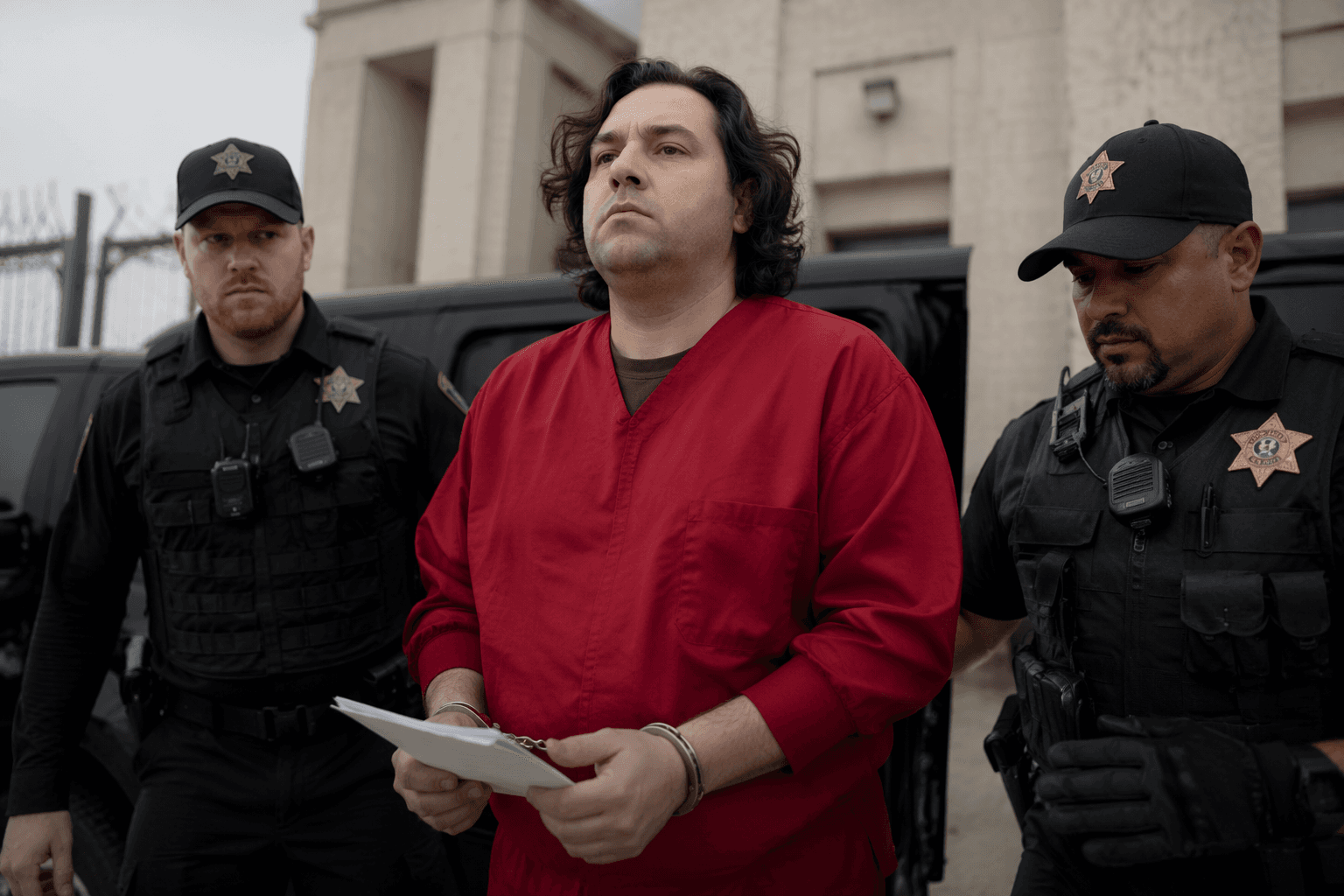
The case had already moved far beyond an ordinary sentencing story by the time Rossi died. The questions that once surrounded his identity, his claims of death, and his extradition no longer bear on his sentence, but they remain part of the public record that defined the case from the start. What his death does not change is the record of the convictions that put him in prison in the first place. What it does change is the path forward: Rossi will not be appealing from custody, and the state has now closed its file on a defendant whose attempts to evade accountability became as notable as the crimes that led to his sentence.
For readers who followed the case from the beginning, the ending is as unusual as the middle. The man who once insisted he was dead has now died in state custody, leaving behind a file that began with denial, moved through extradition, and ended in a hospital pronouncement.
This article was produced by Prism’s automated news system from verified source data, official records, and press releases, then run through automated quality and moderation checks before publishing. The system is built and supervised by the people who set the standards it runs under. Read our full AI policy.
Did this article answer your question?