Toronto cold case arrest follows DNA genealogy breakthrough
Toronto police said a 2008 sexual assault case resurfaced when preserved DNA was run through genealogy, leading to Michael Robert Ashley’s June 11 arrest.
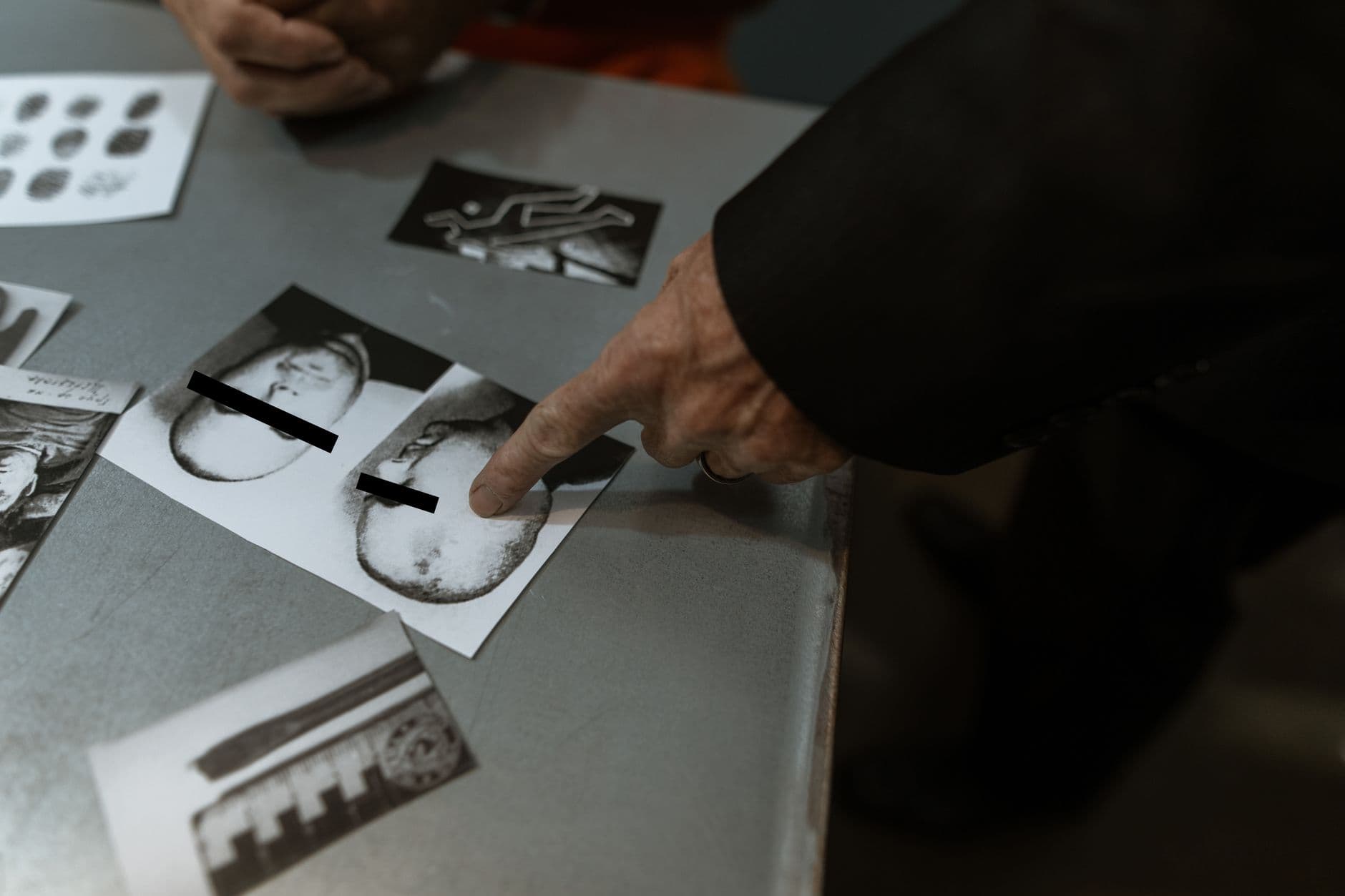
A 2008 sexual assault file that sat unsolved for years moved back into court after Toronto police reran preserved evidence through investigative genetic genealogy, the kind of step that can turn a dead-end DNA profile into a named suspect. In this case, the old evidence mattered because it had been kept intact long enough for newer genealogy tools to do what routine forensic comparisons could not.
Toronto police say the allegation dated to March 12, 2008, when a man entered a retail establishment near The Queensway and Islington Avenue, sexually assaulted a lone employee inside, and fled. Investigators recovered a male DNA profile from evidence at the scene, but no match came back for years. The file was later selected for investigative genetic genealogy in 2025, and that process produced a profile that pointed investigators toward Michael Robert Ashley, 43, of Burlington.

Ashley was arrested on June 11, 2026, and charged with sexual assault. He was scheduled to appear that same day at the Toronto Regional Bail Centre, 2201 Finch Avenue West, in room 107, at 10 a.m. Toronto police listed the case number as 2008-2723589. The arrest is the endpoint of a two-track process: genealogy supplied the lead, then conventional police work tied that lead back to the 2008 allegation.
That distinction matters. IGG is not the same thing as a standard DNA database hit. The preserved profile from the scene was reworked through genealogical analysis, then investigators used the usual detective follow-up, forensic review, and case-building to move from an unknown contributor to a charged suspect. Toronto police credited the Sex Crimes Unit, the cold case team, the Forensic Identification team, and funding support from the Ministry of the Solicitor General for making the work possible.
The case also lands inside a wider Toronto push on cold-case DNA work. Police have described their cold-case efforts as a mix of experienced investigators and civilian genealogists and analysts, and Project 31 is using investigative genetic genealogy to identify long-unidentified remains. Toronto police have also publicly linked that effort to high-profile cold cases such as the murders of Susan Tice and Erin Gilmour, while the Office of the Information and Privacy Commissioner of Ontario issued guardrails for police use of IGG on June 24, 2025. The message from this arrest is simple: if the evidence was preserved and the science keeps advancing, a file that once went nowhere can still walk back into the criminal courts.
This article was produced by Prism’s automated news system from verified source data, official records, and press releases, then run through automated quality and moderation checks before publishing. The system is built and supervised by the people who set the standards it runs under. Read our full AI policy.
Did this article answer your question?