Why true crime has captivated readers for more than a century
True crime did not begin with podcasts. Its modern hooks were already visible in Victorian tabloids, unresolved cases, and courtroom spectacle, then hardened into a media form.
The true-crime appetite that now fills podcasts and streaming queues was already visible in the 19th century, when New York newspapers competed with lurid murder coverage and Victorian tabloids printed graphic accounts of killings. The form has changed, but the mechanics have not: public fascination, serial storytelling, amateur theorizing, and claims of justice still drive the genre.
The 19th-century blueprint
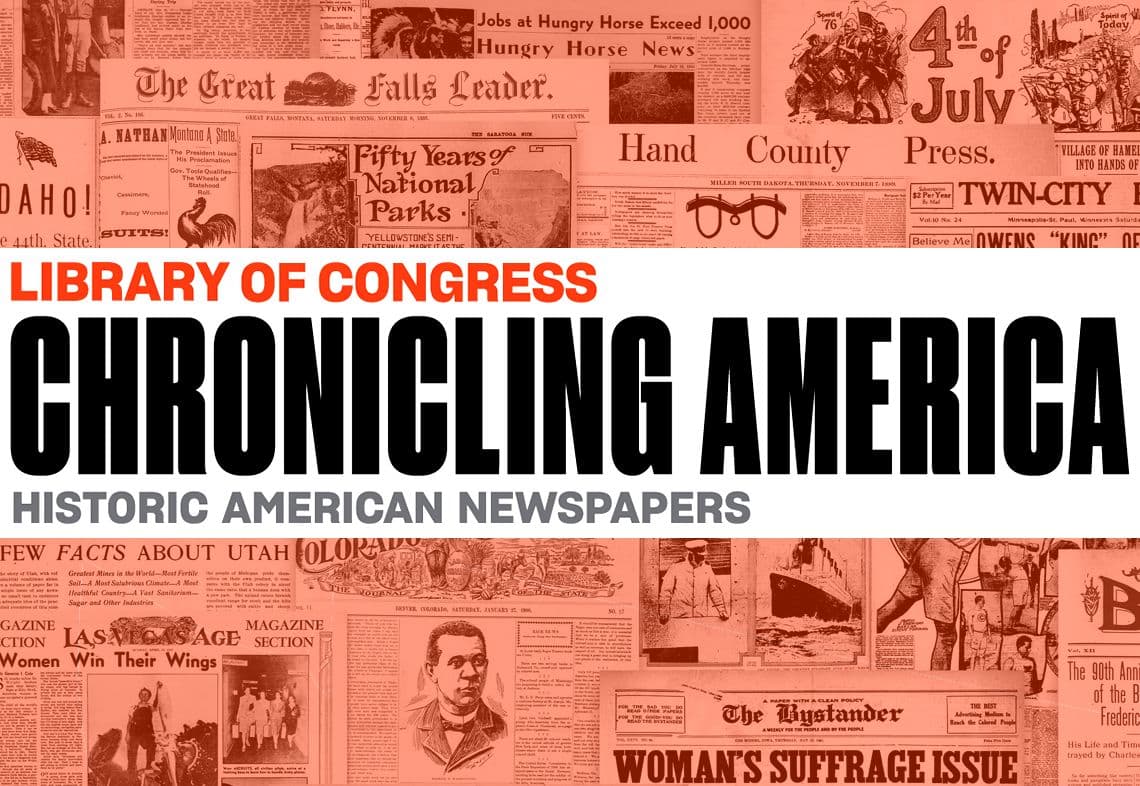
The Library of Congress traces true-crime fascination back at least to the 1800s and points to its Chronicling America collection, which preserves U.S. newspaper pages from 1836 to 1922. That archive captures the medium as it was forming: crime stories were not just reported, they were packaged for repeat attention, often with sensational detail and cliffhanger pacing. The Library of Congress also describes a nineteenth-century true-crime minibibliography that includes both fiction and nonfiction, a reminder that the boundary between fact and dramatic treatment has long been porous.
Two names recur because they still work as narrative engines: Lizzie Borden and Jack the Ripper. The Library of Congress highlights both as evergreen magnets for true-crime readers, and Smithsonian Magazine notes that the murders of Andrew and Abby Borden remain among the most famous true-crime cases after the 1888 Jack the Ripper killings. In other words, the same ingredients that draw audiences now were already doing the job then: an unresolved killer, a vivid setting, and enough uncertainty for readers to keep returning to the case.
Why unresolved cases never stop pulling readers in
Lizzie Borden’s case shows how true crime became participatory long before message boards and Reddit threads. Smithsonian Magazine says the trial itself became part of the spectacle, with courtroom images circulating as the case unfolded. The public was not only consuming the story, it was helping to stage it through attention, speculation, and competing interpretations of the evidence.
That pattern still powers the genre. Unresolved cases invite audiences to compare theories, revisit testimony, and test whether the evidence means what earlier observers thought it meant. Jack the Ripper endures for the same reason: the identity was never established, so the case remains open in the public imagination even when the legal record is closed. The mystery, not just the crime, is what keeps the story alive.
How true crime became self-conscious media
Britannica defines true crime as narrative about real criminal events, and it places the genre close to journalism and infotainment. That overlap matters because true crime has always had to balance documentation with drama. Britannica’s definition of infotainment, a blend of information and entertainment, explains why crime stories travel so well across television, podcasts, books, and streaming services: they can inform while still delivering suspense, emotion, and narrative payoff.
The genre also has a built-in fault line. Britannica notes that when creators take too many liberties, the result stops being true crime and becomes fiction inspired by a real case. That boundary is central to how readers and viewers judge a project. A work earns trust when it stays tethered to the record, and it loses that trust when the storytelling outruns the facts.
Truman Capote and the modern true-crime template
The modern version of the genre hardened around Truman Capote’s *In Cold Blood*. Britannica says Capote spent six years researching the 1959 murders of the Clutter family in Holcomb, Kansas, interviewing people connected to the case before publishing the work. It first appeared in *The New Yorker* in 1965 and in book form in 1966.
What Capote changed was not simply style, but structure. He used techniques associated with fiction to tell the true story of the murders, the trial, and the execution of Perry Smith and Dick Hickock. That mix of scene-setting, investigation, and outcome became a durable template for later true crime: start with the crime, build the case like a narrative puzzle, and end with the machinery of justice. The book also helped make the genre self-aware. After *In Cold Blood*, true crime could be discussed not just as a set of cases, but as a distinct way of telling them.
Why the format thrives on podcasts and streaming
The audience for true crime is now large enough to show up in national media measurements. Pew Research Center found that true crime is the most common topic among top-ranked U.S. podcasts, making up 24% of 451 shows analyzed. Pew also found that 95% of those top-ranked true-crime podcasts use deep reporting, and that these programs usually investigate murders, scandals, and other criminal acts.
That combination explains the format’s staying power. Podcasts mimic the old serial model by releasing cases in installments, revisiting evidence, and encouraging listeners to follow along as if they are tracking an investigation in real time. Streaming series do something similar, only with visual reconstruction, archival footage, and dramatized scenes that echo the courtroom images once carried by newspapers. The delivery system changed, but the hook remains the same: the audience wants the story to unfold in pieces.
Edison Research adds another layer to that picture. Its 2024 findings show that 84% of Americans age 13 and older consume some true-crime media, and 42% have ever listened to a true-crime podcast. Those figures explain why the genre keeps expanding across platforms: it is not a niche curiosity anymore, but a routine part of the media diet.
The ethical pressure that now shadows the genre
The more successful true crime becomes, the more closely it is scrutinized. The Conversation reported that families of Jeffrey Dahmer’s victims said they were never approached before Netflix’s dramatization, a detail that sharpened broader criticism of how the genre treats real people behind the crime. Critics argue that true-crime entertainment can re-traumatize victims’ families and glorify offenders, especially when the narrative gives the perpetrator more airtime than the people harmed.
That criticism also fits the genre’s long history. Victorian papers sold murders as spectacle; modern platforms do the same with better production values. The ethical question has not changed much: how much detail serves the public interest, and how much simply turns suffering into repeatable content? The best true crime still answers that by staying close to names, dates, places, and evidence, the same disciplined materials that first made the genre irresistible in newspaper columns and courtroom sketches.
True crime has captivated readers for more than a century because it keeps returning to the same unresolved tension: a crime happens, the public gathers around it, and the story becomes bigger than the case file. From the Borden murders in Fall River, Massachusetts, to *In Cold Blood* in Holcomb, Kansas, to today’s podcasts and streaming dramatizations, the form survives by promising the same thing Victorian tabloids once sold by the column, a closer look at justice, or the lack of it.
This article was produced by Prism’s automated news system from verified source data, official records, and press releases, then run through automated quality and moderation checks before publishing. The system is built and supervised by the people who set the standards it runs under. Read our full AI policy.
Did this article answer your question?