Albacore and Yellowfin Count Pages Help Anglers Plan March 30 Trips
Species-specific count pages logged March 30 albacore and yellowfin boat totals, giving anglers a clean read on what was biting before their next trip.
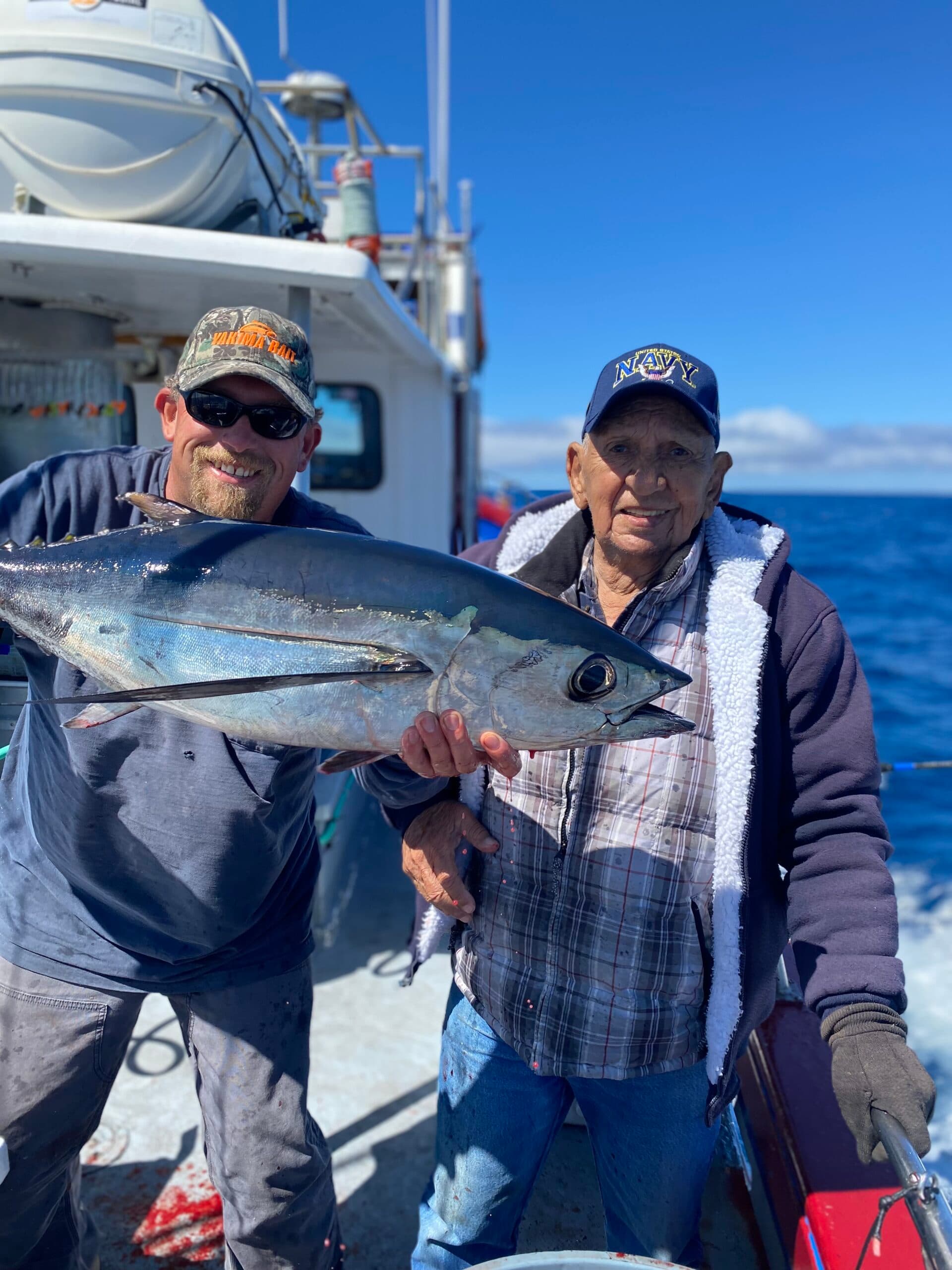
Knowing which species is biting before leaving the dock can determine every tackle decision that follows. The dedicated albacore and yellowfin count networks each posted their March 30 daily report pages, logging boat-by-boat catch totals for both species and giving trip planners a clean read on what was producing offshore.
Both platforms operate as daily ledger-style logs during their respective season windows, listing reporting boats, any catch counts recorded, and links to photos or detailed trip write-ups when available. The March 30 pages continued that cadence, serving private anglers, charter captains, and tournament organizers who rely on recent count data to time their trips.
The species-specific format is the core utility. Rather than sifting through mixed-species landing reports to extract albacore or yellowfin numbers, anglers can go directly to the relevant count page. For tournament teams using these logs for pre-event scouting, that species-locked view has direct strategic value.
Even a day that returns "no counts provided" carries operational meaning: it confirms boats were active and the fishery was being monitored, even when the bite didn't come together. On productive days, specific boat totals can validate whether a given area or technique, whether trolling, jigging, or live-bait drifting, generated results.
The count data also drives gear decisions. An albacore-active day typically favors lighter jigging setups or light-tackle trolling rigs suited to the species' temperate offshore range. A yellowfin report, particularly one pointing to cow-sized fish, shifts priorities toward heavier trolling outfits and topwater poppers, tackle built to handle fish that can push past 100 pounds on long-range grounds.
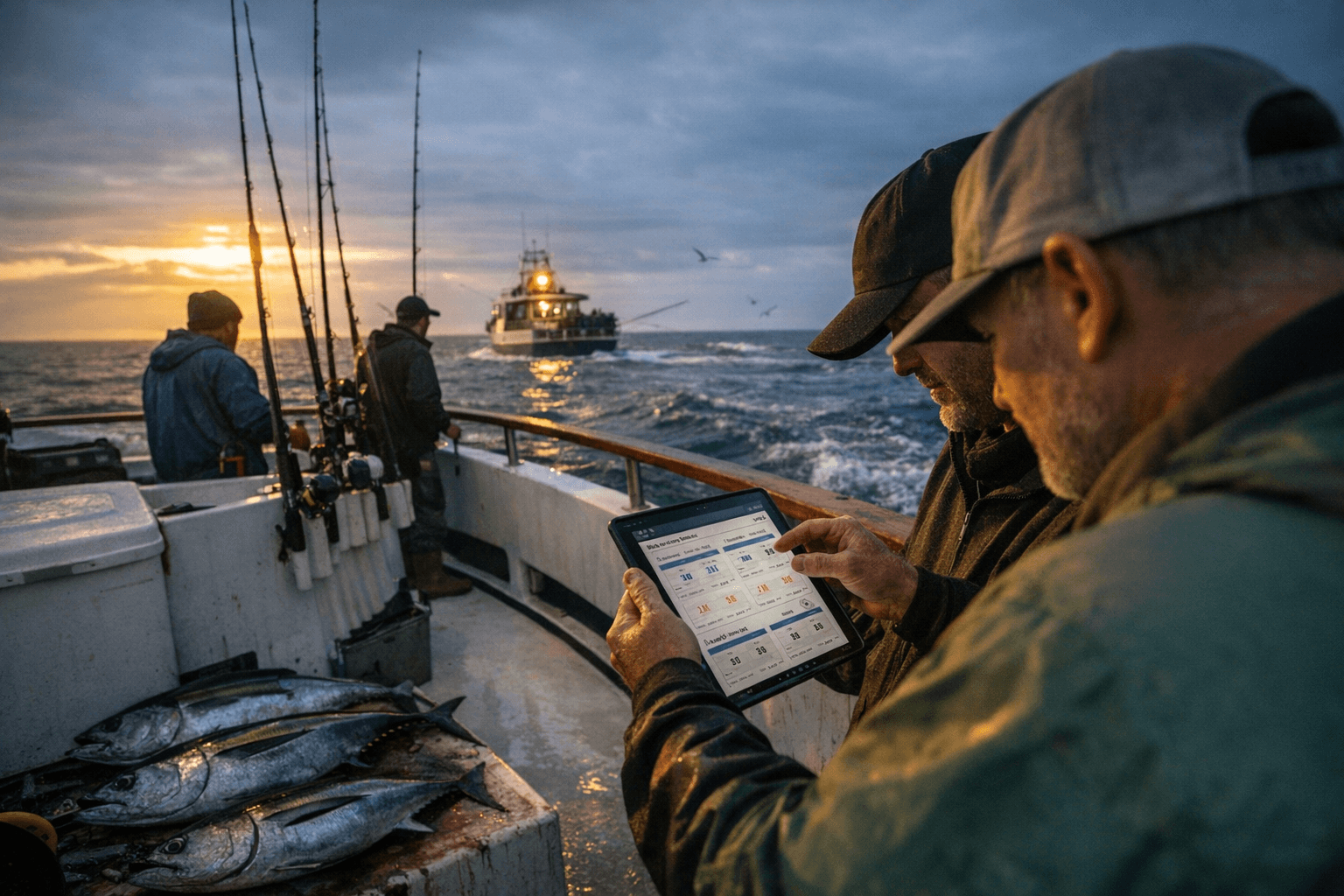
For trips planned in the days following March 30, checking both count pages within 48 hours of departure remains the most direct confirmation of species presence and recent success rates. Coordinating with the boat captain on which species to target before loading tackle, not after, matters too: showing up with albacore-weight leaders when the yellowfin count is running means leaving the wrong rig on the dock.
One logistical detail worth tracking after strong count days is processor capacity. When several boats return simultaneously following a productive report, on-dock handling can back up fast. Confirming availability with local processors before the trip avoids a scramble once fish are on ice.
The daily update cadence through the March 30 window is what separates both count networks from occasional landings posts. A log that publishes consistently during the season window is a planning tool; one that doesn't is just occasional news.
This article was produced by Prism’s automated news system from verified source data, official records, and press releases, then run through automated quality and moderation checks before publishing. The system is built and supervised by the people who set the standards it runs under. Read our full AI policy.
Did this article answer your question?