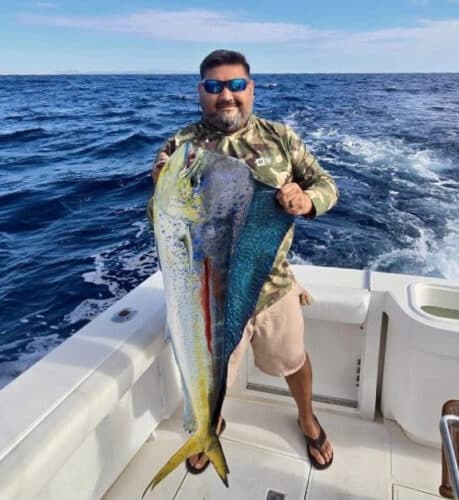
San Diego offshore bite turns on bluefin, yellowfin and dorado
San Diego now has a true one-day shot at bluefin, yellowfin and dorado. The winning setup is simple: lighter flyline gear by day, night rods ready for bigger fish.

One-day range, three species
The San Diego offshore bite has finally become the kind of trip you can plan without a multiday commitment. Fisherman’s Landing’s May 16 update put bluefin, yellowfin and dorado all within one-day range, which changes the math fast for anglers trying to save fuel, time and guesswork. When three species are showing in the same zone, the question is no longer whether to go offshore, it is whether you have the right mix of tackle to cash in.
That is what makes this report useful. It is not a trophy story dressed up for clicks. It tells you what is actually getting bites, what size fish are showing up, and what to pack if you want a real shot at coming home with something worth bleeding and filleting.
What the bite is demanding
The most important gear note in the update is also the simplest: most of the fish were coming on 25- to 30-pound flyline setups with fluorocarbon and smaller hooks in the #4 to 1/0 range. That is a very specific lane, and it tells you the fish were willing to eat a clean, natural presentation rather than forcing heavier iron or oversized hardware into the mix.
If you are loading the boat for this bite, that means your day tackle should not be an afterthought. It should be ready for quick bait presentations, lighter leaders and hooks small enough to disappear in the bait. The report’s message was consistent enough to repeat on both May 15 and May 16, which is usually how you know the pattern is holding and not just flashing for a day.
Why the night shift matters
The same update also told anglers to bring nighttime setups, and that is the detail that changes how you pack. Once bluefin in the 80- to 130-pound range start showing, the trip stops being only about daytime flyline opportunities. It becomes a mixed window game, where the lighter outfit may get the first bites but the heavier setup could decide the ride home.
That bigger-fish note matters because it changes expectations offshore. You are not just hoping for school-size bluefin, yellowfin and dorado. You are dealing with a bite that now includes fish large enough to punish sloppy knots, weak topshots and gear that was only built for the smaller end of the range. The practical move is to bring a night rig that you trust and keep it ready, because the report makes clear that the larger bluefin are not hypothetical.
The regional picture backs it up
This was not an isolated landing report. Nearby San Diego fish-count pages showed the broader zone producing offshore tuna on May 15 and May 16, including multi-day trips already putting up solid numbers. The counts made the same point from a different angle: Constitution posted 19 bluefin tuna, Poseidon came in with 71 bluefin tuna, 38 bonito and 2 yellowfin tuna, and New Lo-An reported 96 bluefin tuna up to 60 pounds.
Those numbers matter because they show the bite was wide enough to support different boats and different trip lengths. When multiple landings are reporting bluefin at the same time, plus a sprinkling of yellowfin and dorado, it usually means the zone has real life in it. That is the kind of overlap that lets you choose your trip based on weather, bait, timing and how hard you want to push offshore, instead of gambling on a rumor.
Warm water is doing the work
The fish mix also fits the water. A San Diego fishing report said 2026 water temperatures were about 5 degrees warmer than usual, and that warmer pattern was bringing in dorado, yellowfin tuna, yellowtail and bluefin tuna. That is exactly the kind of condition that turns a simple tuna run into a broader offshore mix, where a captain may need to switch plans as soon as the signs change.
For anglers, that means flexibility pays. You do not want to show up thinking only in bluefin terms when dorado are part of the picture and yellowfin can slide into the mix. The smart setup is the one that covers the bait fishery first, but still leaves room for a heavier option when the bigger bluefin show on the meter or break away from the pack after dark.
Rules and the local signal
The current California Ocean Recreational Fishing Regulations for the Southern Region were updated on May 1, so this bite is unfolding inside the present 2026 rule set. That matters because offshore decisions are not just about fish behavior, they are also about staying lined up with the latest regulations before you commit to a long ride.
Fisherman’s Landing is the local signal a lot of San Diego anglers watch for this exact reason. The operation, at 2838 Garrison Street in San Diego, has been in business for more than 55 years, and its bite notes carry weight because they are tied to what the local fleet is actually seeing. When a landing with that kind of history repeats the same message on consecutive days, the offshore crowd pays attention.
The takeaway is straightforward: if you want the most efficient shot at San Diego tuna right now, this is the window. Bring the 25- to 30-pound flyline gear, rig fluorocarbon and small hooks, and do not leave the dock without a night setup capable of handling bluefin in the 80- to 130-pound class. That is what a true one-day range opportunity looks like, and it is exactly the kind of bite that rewards anglers who pack for the fish actually showing, not the fish they hoped would show.
This article was produced by Prism’s automated news system from verified source data, official records, and press releases, then run through automated quality and moderation checks before publishing. The system is built and supervised by the people who set the standards it runs under. Read our full AI policy.
Did this article answer your question?