Conservation Groups Seek Court to Enforce MMPA Tuna Import Rules
A coalition of conservation groups filed a motion on January 6, 2026, asking a federal court to enforce an earlier settlement with the U.S. government, arguing a separate NOAA settlement with the National Fisheries Institute undermines commitments to apply the Marine Mammal Protection Act import rules. The dispute could affect import controls on seafood, including tuna from foreign fleets undergoing MMPA equivalency reviews, and signals potential regulatory shifts that commercial and recreational fishermen need to track.
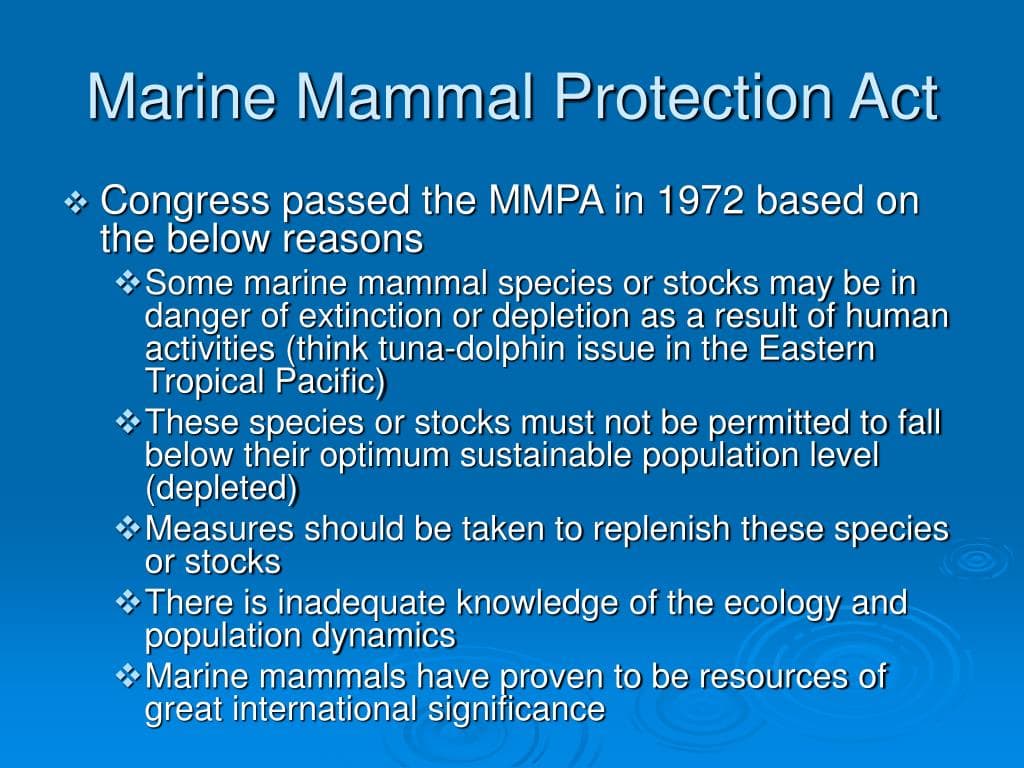
On January 6, 2026, the Natural Resources Defense Council, the Center for Biological Diversity, and the Animal Welfare Institute asked a court to enforce their January 15, 2025 settlement with the U.S. government, saying a later agreement between the National Oceanic and Atmospheric Administration and the National Fisheries Institute weakens U.S. obligations to apply the Marine Mammal Protection Act import provisions.
The NGOs contend the NOAA-NFI settlement effectively delays import bans for fisheries that NOAA determined were not in compliance with MMPA import rules. They argue that delay conflicts with the enforcement agreement they reached with the government in January 2025 and seeks to strip away timelines and commitments the NGOs had secured to ensure foreign fisheries meet U.S. marine mammal protection standards.
The National Fisheries Institute has moved to intervene in the case and defends the separate settlement as necessary to avoid sweeping disruptions to U.S. seafood supplies. NFI's position frames the agreement as a compromise intended to balance enforcement with market stability; the NGOs view it as a weakening of the MMPA framework that could allow continued entry of seafood sourced from fisheries NOAA had flagged as non-compliant.
At stake for the tuna community are import controls tied to NOAA equivalency reviews. Under the MMPA import system, NOAA assesses whether foreign fisheries have protections comparable to U.S. law; fisheries found not equivalent can face import restrictions. The current legal dispute could change the timing and scope of those restrictions and therefore affect availability, pricing, and sourcing for tuna processors, retailers, and consumers who rely on imports from foreign fleets.

Verify your supply chains and product labels now, and notify buyers and partners that regulatory and legal developments could shift import flows. Monitor NOAA determinations and court filings closely. Commercial operators may want to discuss contingency sourcing or inventory strategies with suppliers to avoid sudden gaps if import controls are applied or accelerated.
This case will play out in federal court and could influence how strictly and how quickly MMPA import rules are enforced going forward. Expect further filings and agency actions that will clarify whether the 2025 enforcement agreement remains the controlling timeline or whether the NOAA-NFI arrangement will reshape import practice for tuna and other seafood commodities.
Know something we missed? Have a correction or additional information?
Submit a Tip