Genomic study reveals Atlantic bluefin tuna stocks split by spawning grounds
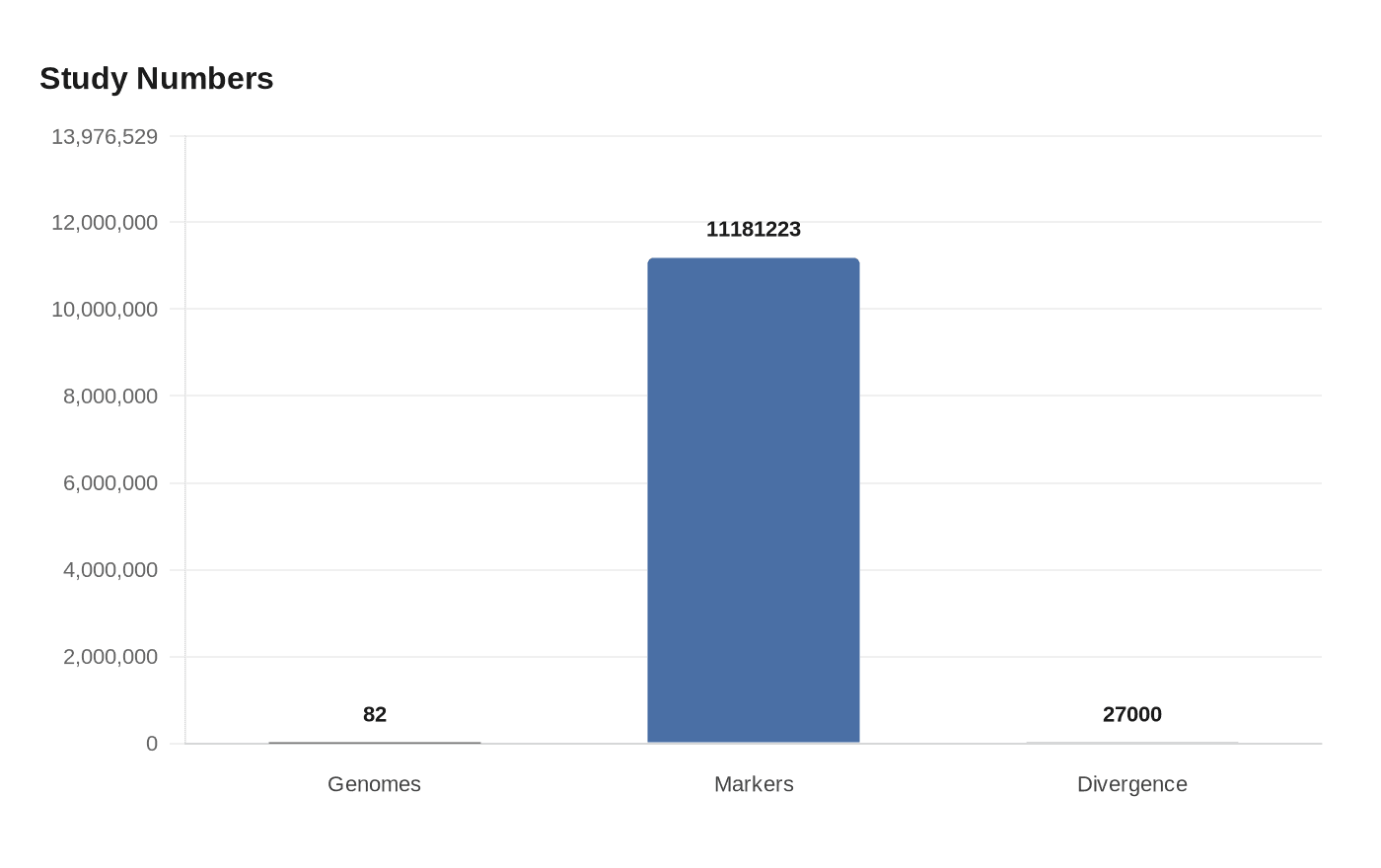
Eighty-two genomes and 11,181,223 SNPs show Atlantic bluefin are still tied to spawning grounds, a finding that could tighten quota math and change recovery expectations.
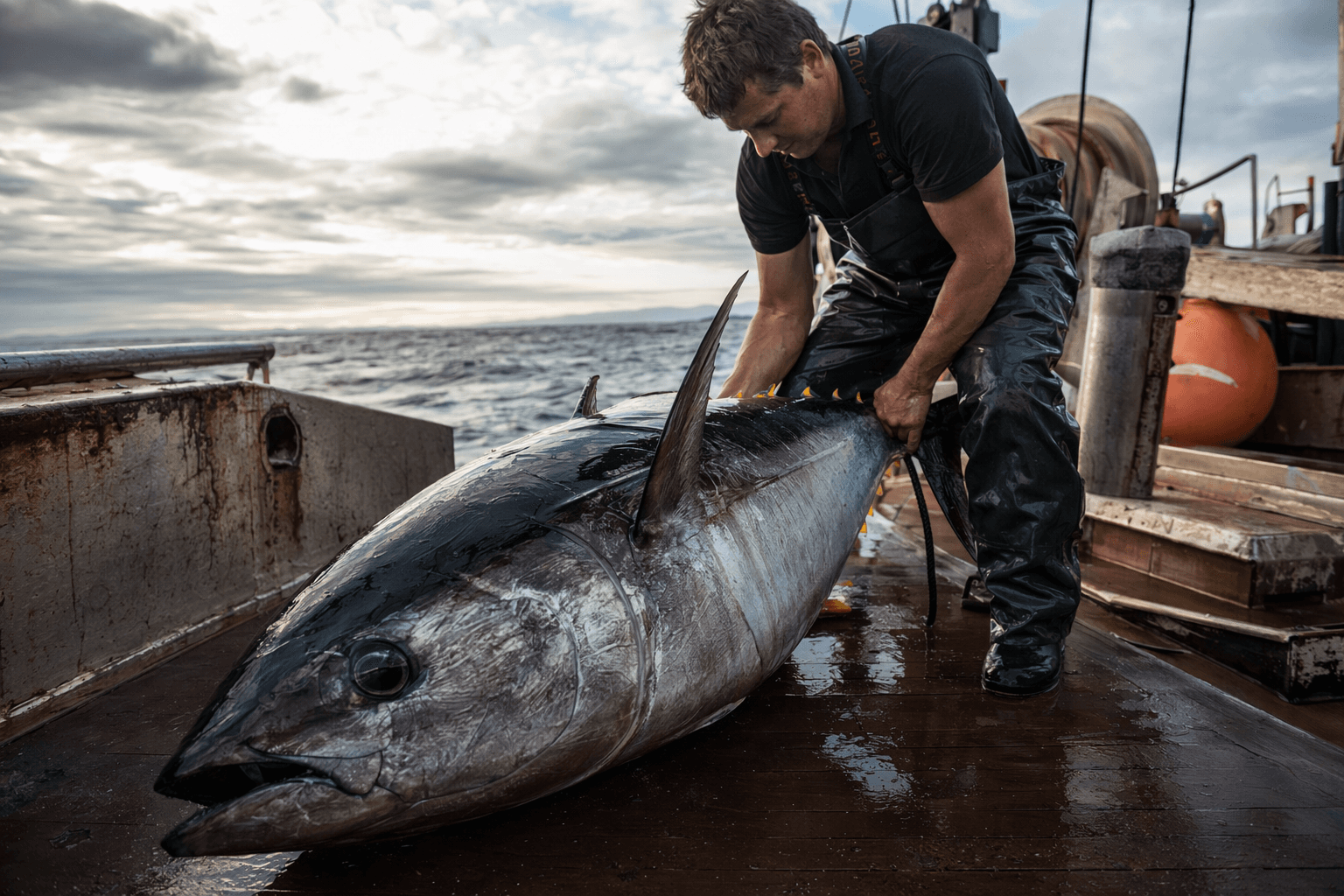
Eighty-two bluefin genomes and more than 11 million genetic markers are pushing Atlantic tuna management toward a harder question: if the fish roam the whole ocean, why do some still behave like they belong to different places?
The new genetics work found that Atlantic bluefin tuna from the western and eastern stocks diverged about 27,000 years ago and still carry measurable differences tied to where they spawn. The study combined whole-genome sequencing from larvae and adult fish with electronic-tagging data, and it identified 11,181,223 single nucleotide polymorphisms. Its central message was plain enough for anyone who has watched bluefin blow up bait off different coasts: these fish mix, but they do not mix without leaving a biological fingerprint.

That matters because the management system still runs on a two-stock framework, eastern and western, even as the science keeps revealing more complexity. ICCAT adopted a management procedure in 2022, and its 2024-2025 report says the eastern and western total allowable catches are linked under one framework. If stock assessments miss how strongly fish are still tied to spawning grounds, managers could overestimate how much harvest a mixed population can absorb, or understate the conservation value of a spawning area that looks ordinary on a map but is doing more heavy lifting than expected.
NOAA Fisheries has been circling this puzzle for years, calling bluefin stock structure a 40-year-old mystery. Its work has pointed to the Slope Sea, between the Gulf Stream and the continental shelf of the Northeast United States, as a potentially important spawning ground alongside the long-recognized Gulf of Mexico and Mediterranean Sea. NOAA later reported that spawning stretches from April in the southernmost areas, including the northwest Caribbean and southern Gulf of America, to early August in the northernmost Slope Sea, with the northern Gulf in late spring and the western Slope Sea in early summer producing the most larvae. That broad season helps explain how bluefin can look like one roaming population while still preserving local signatures.
The practical takeaway for fishermen is straightforward. A bluefin that shows up on deck may have the same look, the same power, and the same market value as any other, but regulators may increasingly treat its origin as part of the fish’s identity. That could mean tighter protections around specific spawning grounds, different recovery expectations for western and eastern fish, and more pressure to make catch limits match the biology instead of the assumption that all Atlantic bluefin are interchangeable. NOAA’s latest work also underscored that conservation in U.S. and Canadian waters has created a refuge that benefits bluefin, including fish of eastern origin. For anglers, that is the real shift: the fish still migrate across the Atlantic, but management is moving closer to asking where each one came from before deciding how much the ocean can take.
This article was produced by Prism’s automated news system from verified source data, official records, and press releases, then run through automated quality and moderation checks before publishing. The system is built and supervised by the people who set the standards it runs under. Read our full AI policy.
Did this article answer your question?