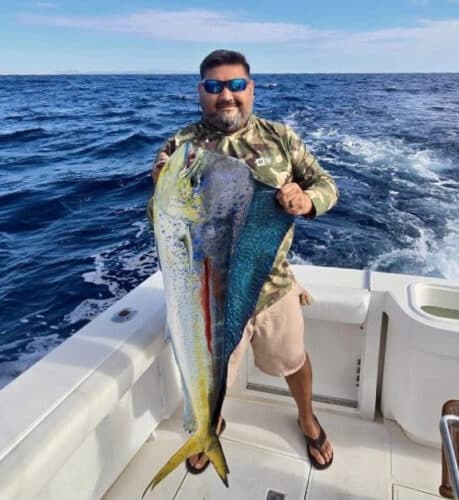
Lower Chesapeake anglers report blackfin tuna, mahi, and offshore tips
Blackfin tuna are in the mix off the Lower Chesapeake, but the real question is whether they justify an offshore run yet.
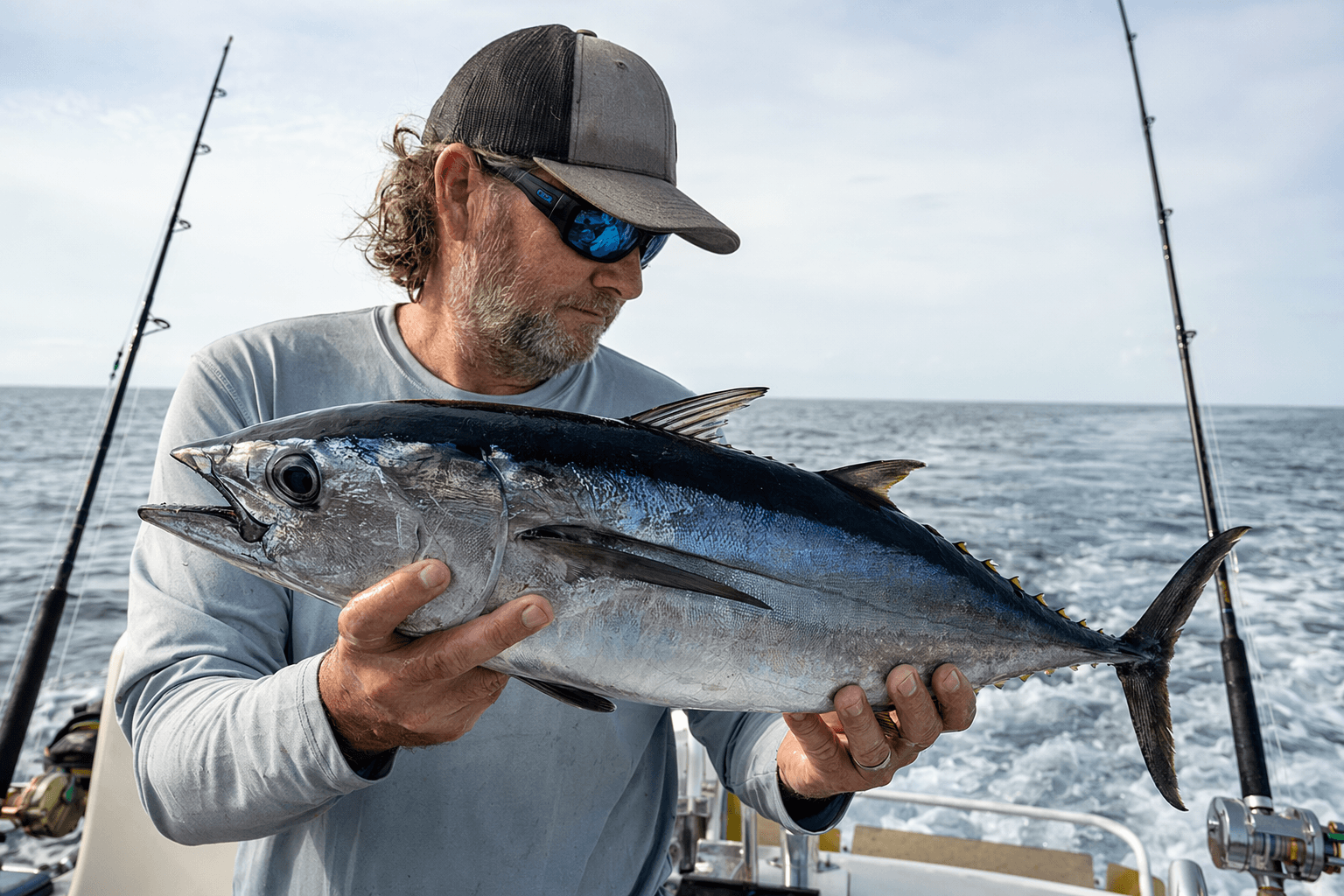
Blackfin in the mix, but not the whole story
The Lower Chesapeake is talking tuna, but not in the simple, all-in way anglers love to hear. In Luke Barton’s weekly Lower Chesapeake Bay Fishing Report, the blackfin mention lands beside early mahi, tog, and even seasickness prevention, which tells you plenty: this is an offshore window opening, not a pure tuna slam.
That matters if you are deciding whether to burn fuel, rig for bluewater, and clear a day on the calendar. A report that includes Ava Bourne and the Tight Lines for Tiny Fighters Fishing Tournament, then shifts offshore with Capt. Bill Pappas of Playin Hookey Charters, reads like a community snapshot and a tactical note at the same time. The message is not that the tuna are everywhere. It is that the season is turning, and blackfin are now part of the conversation.
What the report is really saying about blackfin
Blackfin tuna are the species that make this report worth reading twice. They are not being framed as a full-on run-and-gun event, and that is the key to reading the water correctly. Instead, they sit inside a mixed offshore picture that also includes mahi and tog, which is exactly the sort of lineup that tells you the Lower Chesapeake is moving from spring inshore mode toward a broader offshore program.
That is the practical takeaway for tuna anglers. If blackfin are mentioned alongside mahi and offshore comfort issues like seasickness prevention, they are probably not yet the sole reason to run hard. They are more likely the fish that makes a good offshore day turn into a memorable one. For a lot of crews, that is still enough to justify a trip, especially if the boat is already headed into the Mid-Atlantic bluewater zone.
Timing is the real clue, not hype
The strongest signal in this report is timing. Late April is a transition point in the Lower Chesapeake, when spring inshore fishing is still active but offshore opportunities start to matter more as weather and water conditions improve. That is the kind of window where blackfin can show up in the conversation before they become the main event.
This is also why the report feels more useful than a simple catch list. A tuna bite can be tempting in name only, but if the offshore window is still settling in, the smart move is to treat blackfin as a real possibility rather than a guaranteed destination. If you are choosing between a short inshore trip and a more expensive offshore run, this report leans toward the idea that the farther run makes sense only if you are comfortable fishing a mixed bag and not betting everything on tuna alone.
How the geography shapes the decision
The Lower Chesapeake, Virginia Beach, and the surrounding Hampton Roads offshore corridor all sit inside the same seasonal build-up. That matters because the report is not describing a landlocked or isolated bite. It is pointing to the broader Virginia bluewater lane, where offshore decisions are tied to weather, water, and the way species stack up as spring progresses.
That is why the blackfin note has weight even without a blowout count. It suggests the offshore lane is active enough to make tuna worth discussing, but not so hot that the whole trip should be built around one species. If you are planning from the dock, the safest read is simple: blackfin are real enough to keep on your list, but mahi and general offshore opportunity still appear to be pulling the show.
The unglamorous stuff matters just as much
One of the smartest parts of the report is that it does not pretend offshore fishing is only about the bite. Seasickness prevention gets airtime for a reason. Family trips, newer offshore anglers, and anyone spending money on fuel and bait need the day to last long enough to actually fish, and that starts with keeping people upright and functional.
That same practical tone is why the report feels like more than a species update. It treats getting ready for a day offshore as part of the story, not an afterthought. If your tuna plan includes blackfin, it also includes the basics: making sure the crew is ready, the boat is sorted, and the day is built around endurance as much as excitement.
The rules are part of the trip plan
Any conversation about Atlantic tuna in this region sits inside a strict regulatory frame. NOAA Fisheries says Atlantic highly migratory species rules govern Atlantic tunas, along with billfish, sharks, and swordfish. Virginia’s recreational fishing guidance adds that federal permits are required for private and charter vessels targeting Atlantic tunas, billfishes, swordfish, and sharks.
That means a blackfin decision is never just a weather call. It is also a permit-and-compliance call. If you are heading offshore, the paperwork and the rules need to be squared away before you are thinking about baits and spreads. Virginia’s saltwater fishing calendar also shows that bluefin tuna are available in some parts of the year, which reinforces the bigger point here: tuna season in this region is species-specific and timing-specific, not a single open-and-shut window.
- Check the species you are actually targeting.
- Make sure the vessel is covered for highly migratory species.
- Plan the trip around conditions, not wishful thinking.
- Treat blackfin as part of a broader offshore plan unless the bite clearly changes.
The tournament thread shows where this is headed
The community side of the report matters too. Ava Bourne’s appearance in the discussion around the Tight Lines for Tiny Fighters Fishing Tournament ties the offshore conversation to a charitable event that has already been linked to families facing pediatric cancer. That gives the report a human backbone. The tuna talk is not floating in isolation, it is connected to the people and causes that shape the season.
The bigger regional marker is the Virginia Beach Tuna Tournament. Founded in 2005, it runs June 24 through 27, 2026 at Southside Marina, with fishing on June 25, 26, and 27 from 7 a.m. to 3 p.m. The early-entry deadline is June 15, and the tournament’s 2024 numbers, 108 boats and a total payout of $242,290, show how serious the local tuna scene gets once the offshore window fully opens.
That is the cleanest way to read the Lower Chesapeake blackfin report right now: not as a promise of a giant tuna bite, but as proof the season is turning toward it. If you are deciding whether to launch now, blackfin are enough to keep the offshore plan alive. If you are waiting for the full tournament-style tuna scene, June is still the bigger marker on the horizon.
This article was produced by Prism’s automated news system from verified source data, official records, and press releases, then run through automated quality and moderation checks before publishing. The system is built and supervised by the people who set the standards it runs under. Read our full AI policy.
Did this article answer your question?