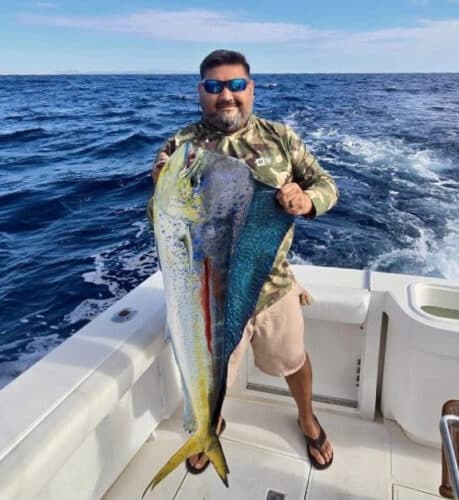
Puerto Rico Spring Fishing Report Highlights Tuna, Kings and Nearshore Bites
Tuna are part of Puerto Rico’s nearshore spring mix, and the key takeaway is access: live-bait windows can produce tuna, kings and more without a full offshore run.
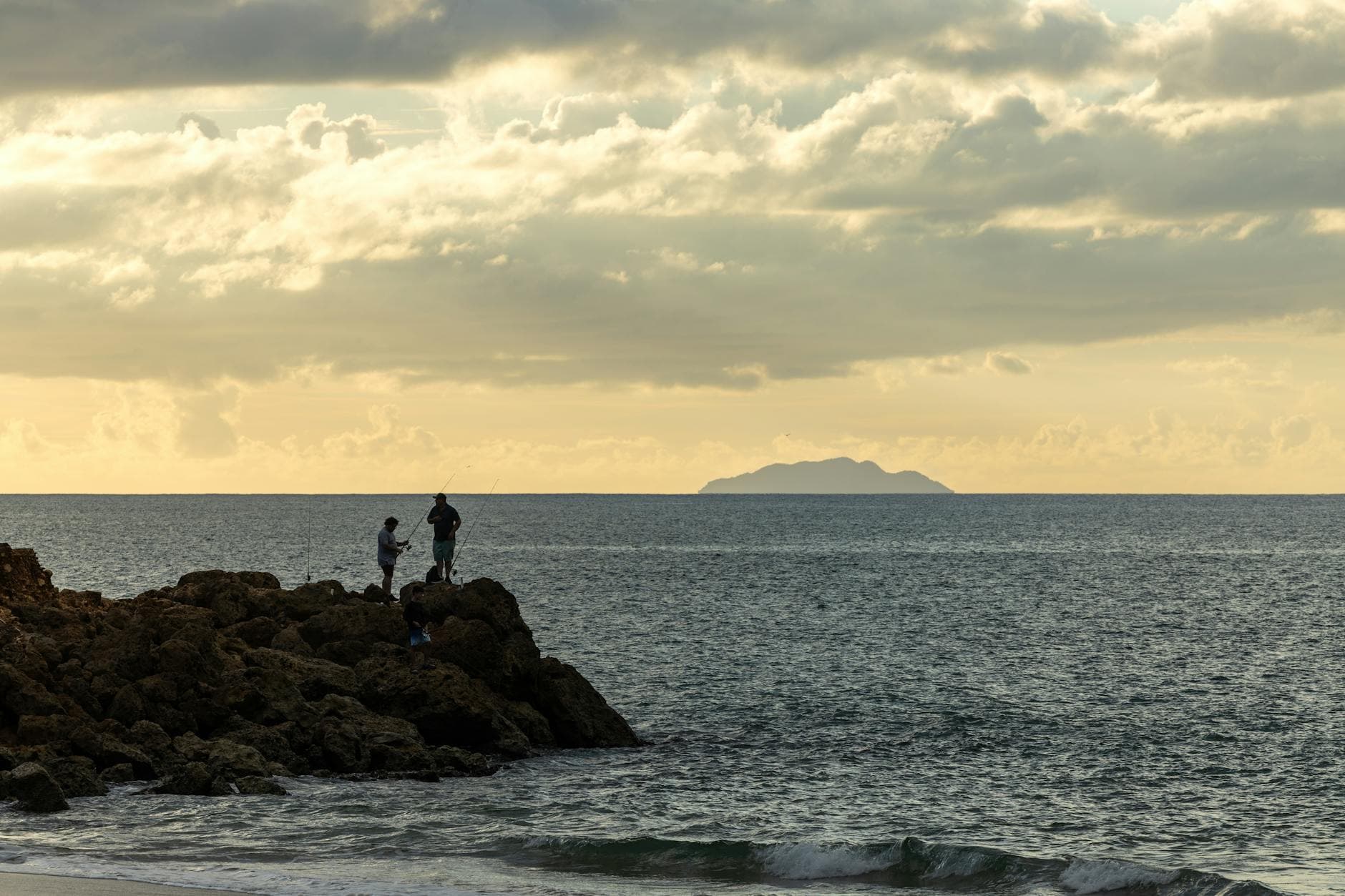
Tuna are not the whole story, and that is the point
Tuna in Puerto Rico are showing up as part of a broader spring system, not as a separate offshore mission. The current San Juan reports point to live-bait work and close-in tuna and kings, while the wider April fishing board adds yellowtails, mahi-mahi, wahoos, kingfish and tarpon to the picture. That mix changes how a trip gets planned, because the decision is less about choosing one fishery and more about picking the right water movement, bait line and timing.
The practical payoff is clear: a day that starts as a reef or inshore run can still turn into a tuna day if the current stacks bait the right way. Just as important, the same setup that produces tuna can leave room for kings and other pelagics, so you do not have to abandon the rest of the bite to chase one target.
What the spring calendar says is in play
FishingBooker’s April 2026 San Juan calendar lists blackfin tuna, skipjack tuna and yellowfin tuna as in-play species for the month. That matters because it confirms tuna are not an accidental bycatch category in Puerto Rico right now, they are part of the planned spring lineup. The same report feed also places marlin, wahoo, barracuda, tarpon, snook, king mackerel and mahi-mahi in the area, which is exactly the kind of multi-species menu that keeps Puerto Rico relevant to both visitors and locals.
That breadth is the real story behind the tuna reports. If the calendar says tuna are fair game and the feed is simultaneously turning up kings, tarpon and mahi-mahi, then the smartest move is to treat the island as a flexible warm-water system. In other words, the tuna window sits inside a larger fishery, not outside it.
Nearshore opportunity is the edge
FishingBooker’s Puerto Rico guide ties much of the nearshore upside around San Juan to the Yucatan current, which can push sought-after fish closer to shore. That current influence is what turns a standard day into a surprise day, especially when guides are reading bait and color changes instead of running long distances offshore. The reports suggest that in Puerto Rico, the difference between a reef day and a tuna day can come down to water movement and local knowledge more than fuel range.
The San Juan board also makes the nearshore value easier to see because it includes recent catches from San Juan, Humacao and nearby ports. That footprint matters for trip planning across the island. Whether you are running out of San Juan, looking east from Humacao, or working other coastal hubs like Fajardo, Rincón, Aguadilla, Isabela, Mayagüez, Cabo Rojo or La Parguera, the same lesson applies: look for bait, look for current and stay open to a tuna bite showing up inside a mixed bag.
How the rules shape a tuna day
The regulatory side is straightforward, but it matters before lines ever go in the water. NOAA Fisheries says Atlantic recreational yellowfin tuna are open, with a 27-inch curved fork length minimum and a limit of 3 fish per person per day or trip. Skipjack tuna are also open, with no minimum size and no bag limit. That gives anglers a real distinction between the two species when they are sorting what to keep and what to release.
NOAA also requires a valid HMS Angling permit or HMS Charter/Headboat permit for vessels fishing Atlantic bigeye, albacore, yellowfin or skipjack tuna. For anyone fishing Puerto Rico’s Atlantic waters, that means the tuna bite is not just about finding the fish. It is also about showing up with the right paperwork and understanding which tuna are covered by which rules.
Puerto Rico’s management framework is built for mixed fisheries
The tuna reports make more sense when you put them inside Puerto Rico’s broader fisheries structure. The Puerto Rico Fishery Management Plan was implemented in October 2022, and it manages spiny lobster, queen conch, 63 species of fish, plus all species of corals, sea urchins and sea cucumbers in federal waters off Puerto Rico. That is a strong signal that this is a regulated, mixed-species fishery, not a free-for-all built around one headline catch.
NOAA’s annual catch limit monitoring also shows that Council-managed finfish in federal waters are tracked by sector, including commercial and recreational use. For anglers, that means the spring tuna picture is part of a larger framework that is designed to keep multiple species on the board at once. The nearshore flexibility is real, but it sits inside a managed system that is built around long-term use rather than one hot week of fishing.
Why the tuna bite fits Puerto Rico’s bigger fishing identity
The island’s reputation has always been bigger than one species, and the billfish side of the calendar proves it. Discover Puerto Rico says the island hosts the oldest running billfish tournament in the world, and the International Billfish Tournament San Juan has been hosted by Club Náutico de San Juan for more than six decades, usually in August and September. That kind of history explains why tuna and kings showing close in spring get attention fast: they reinforce Puerto Rico’s status as a place where serious pelagics can slide into the same trip with reef and inshore options.
That is also the bigger trip-planning takeaway for anglers coming to the island. Puerto Rico’s spring reports show that tuna are not a separate offshore commitment that forces you to ignore everything else. They are part of a living, versatile fishery where a well-read current line can produce blackfin, skipjack or yellowfin without giving up kings, mahi-mahi, tarpon or other productive species. For anyone building a trip around both action and flexibility, that is the kind of nearshore tuna report worth paying attention to.
This article was produced by Prism’s automated news system from verified source data, official records, and press releases, then run through automated quality and moderation checks before publishing. The system is built and supervised by the people who set the standards it runs under. Read our full AI policy.
Did this article answer your question?