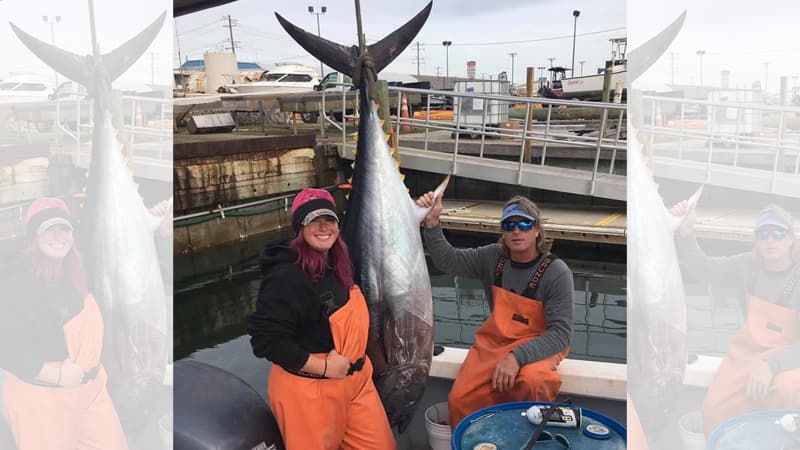
Irish Angling Update: Bluefin in Donegal Bay, West Cork; Tuna CHART Tagging
Bluefin activity has surfaced in Donegal Bay and west Cork, and authorised Tuna CHART tagging is operating in Irish waters - stay alert to local reports and safety notices.
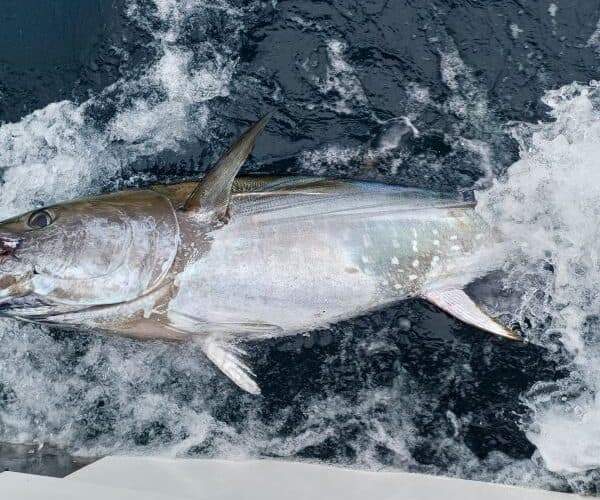
Bluefin tuna have been showing in Donegal Bay and west Cork in recent weeks, and authorised Tuna CHART tagging activity is underway in Irish waters. The combination of sightings and tagging operations matters for charters, skippers and shore anglers because it highlights active feeding grounds, coordinated research work, and opportunities to participate in conservation-minded fisheries management.
Despite unsettled weather across the coast, a number of sea-angling trips still turned up notable catches. Regional sea-angling reports from around the country noted strike activity and movements that point to pockets of bluefin holding in deeper inshore grounds and adjacent banks. That activity has drawn more charter effort into these areas and has prompted Tuna CHART to operate tagging runs alongside skipper-led trips where permitted.
Tuna CHART runs authorised tagging activities with participating charter skippers, combining sportfishing with scientific tagging to gather migration and growth data. Those tagging programmes are authorised to operate in Irish waters and typically work through local charters and qualified skippers. For anglers, that means some bluefin encounters may occur during research-tagging trips, and it is important to confirm whether a skipper is working as part of an authorised programme before engaging in tagging or handling a landed fish.
The sea-angling community also saw notices about 2026 programmes and events, including a new sponsorship programme and state fisheries tender notices that could affect charter operations and local initiatives. Those administrative developments influence how charters plan seasons, what funding or support may be available, and which community-led projects get backing. Local organisers are compiling event calendars and regional reports that will guide effort as spring and summer approach.
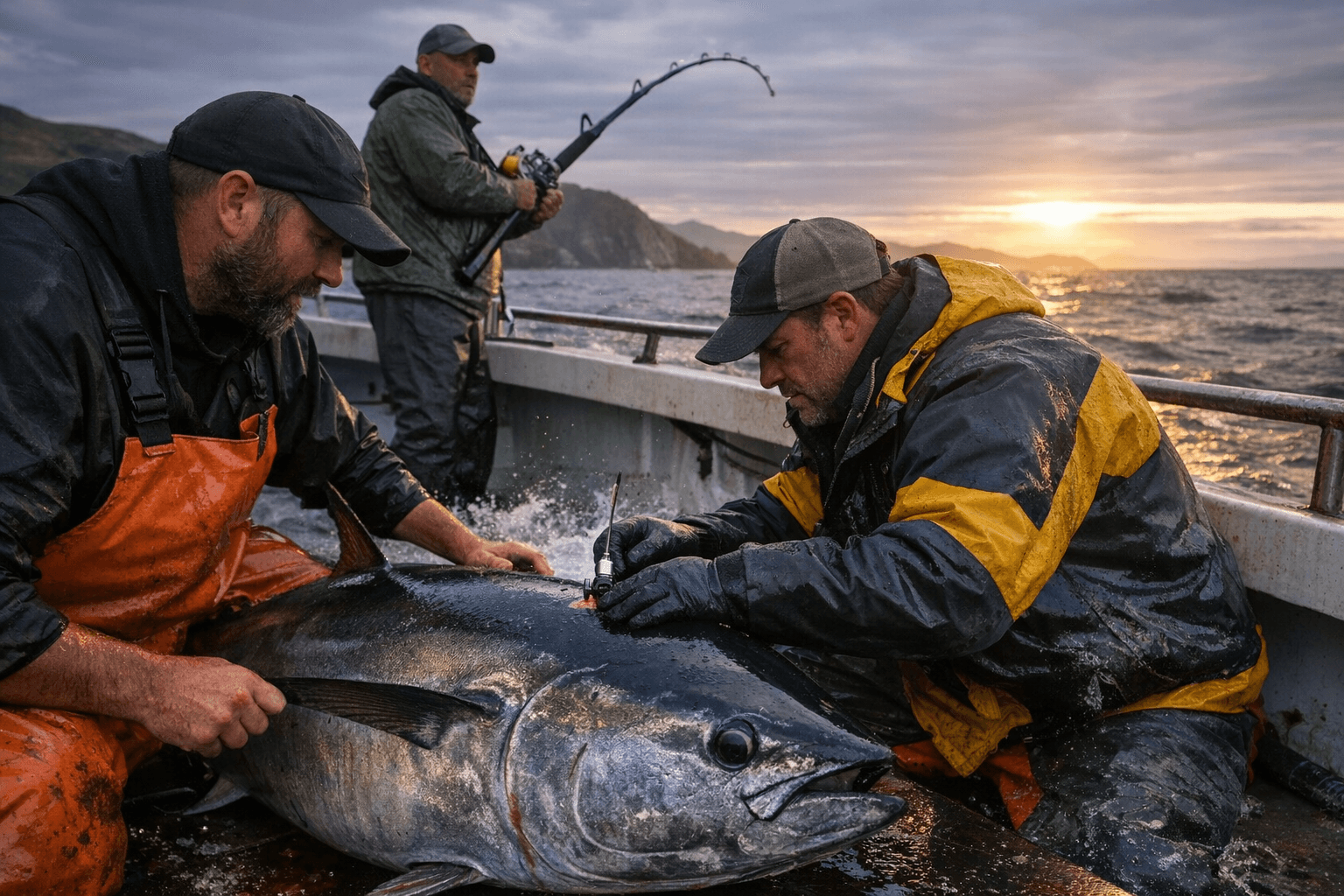
Practical steps to take now include monitoring local sea-angling reports and skipper notices, checking weather and sea-state forecasts before booking, and verifying a charter’s role in any tagging activity if you plan to take part. Ensure that tagging operations are authorised and that skippers follow agreed handling and welfare protocols. For skippers and charter operators, keep licences and authorisations current and engage with tagging coordinators to align schedules when bluefin appear.
What this means for Irish anglers is clearer marine activity on known grounds and more interaction between sportfishing and science. Expect charters to advertise tagging availability when bluefin are present, and for regional reports to update as conditions change. Stay informed, prioritise safety in unsettled weather, and watch local reports for the next wave of bluefin movement and tagging runs.
Know something we missed? Have a correction or additional information?
Submit a Tip