Italy Sets 6,182-Tonne Bluefin Quota, Opening Doors for Small Coastal Fishers
Italy's new 6,182-tonne bluefin quota includes a landmark first: a dedicated allocation for small coastal vessels, with up to 1.5 tonnes per boat.
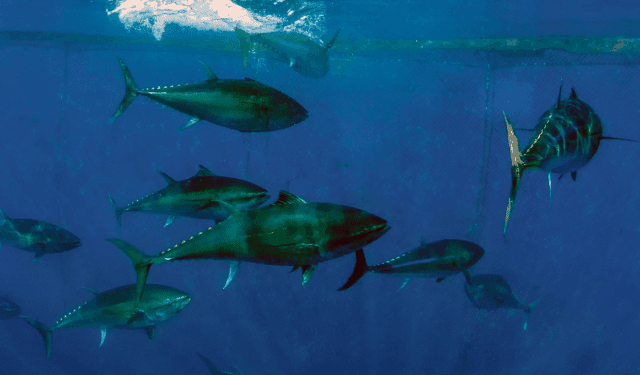
For the first time in Italy's bluefin tuna management history, vessels under 12 metres operating short coastal trips will have their own dedicated slice of the national quota. Italy's Ministry of Agriculture, Food Sovereignty and Forestry signed implementing decrees on April 8 establishing national rules and allocations for the 2026-2028 period, setting the country's annual quota at 6,182.610 tonnes and rewriting the rules for who gets access to one of the Mediterranean's most tightly managed fisheries.
The headline number carries weight on its own: 6,182.610 tonnes per year represents a notable increase over previous allocations and spans purse seine, longline, and fixed tuna trap operations, alongside reserves for processing, recreational fishing, and a management flexibility buffer. But the more consequential shift may be the pilot programme for small-scale coastal fisheries, a category that has historically been locked out of bluefin quota entirely.
Under the pilot, operators are divided into two segments. SSCF-A vessels are eligible for up to 1.5 tonnes per vessel per season; SSCF-B vessels receive up to 1.0 tonne. Both segments are restricted to boats under 12 metres, running trips shorter than 24 hours and using low-impact, selective gear. The design is deliberately narrow to maintain control while opening a door that has never been unlocked.
Protecting that door from being widened is built into the decree's architecture. Quota transfers between small coastal operators and the larger purse seine and fixed trap fleets are explicitly excluded, insulating the pilot from the consolidation that has historically concentrated access among industrial operators. Broader transfer rules are also tightened: quota movements between different fishing systems are restricted and generally require either shared ownership or specific authorization.
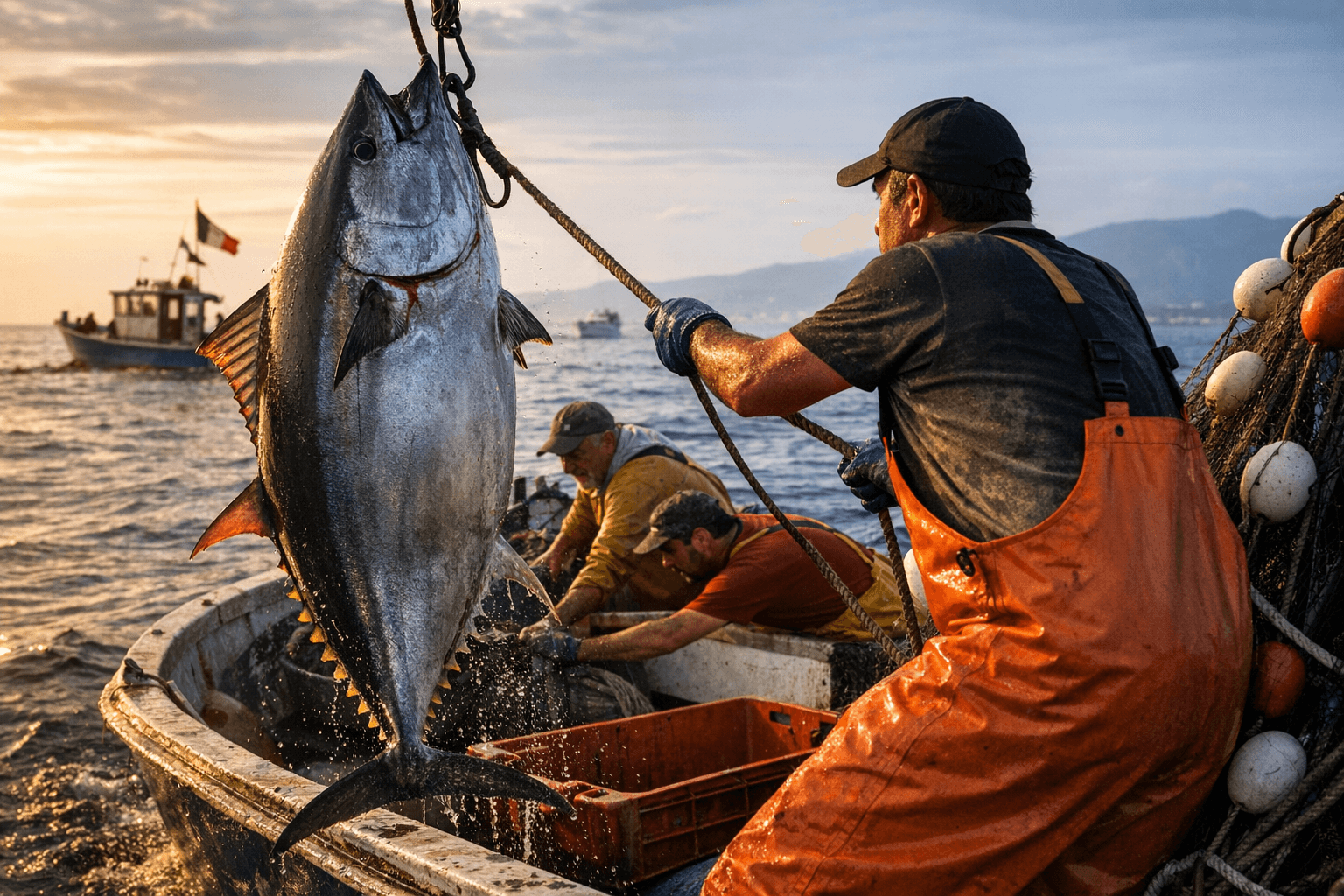
Traceability gets a significant upgrade across the whole system. Every bluefin landed under the new framework must carry an official state seal, and the rules governing transfers between quota holders are stricter throughout the supply chain. The Adriatic Sea receives its own operational provisions, given the complexity of fishing pressure and multi-national dynamics in that basin.
Regional officials in Calabria praised the decrees, framing them as recognition of the sacrifices made by local fleets and a concrete step toward revitalizing the coastal sector. That sentiment reflects the broader policy logic: by giving small operators a measurable, traceable allocation, the Ministry is attempting to redirect some of bluefin's economic value back into communities that have watched the fishery from the outside for years. The decrees also lock Italy's domestic framework to ICCAT's multi-year management plan, giving processors, traders, and fishing operations the regulatory stability they need to plan across full commercial cycles.
How the pilot performs under real commercial pressure will be closely watched across the Mediterranean. EU partners, other ICCAT member states, and trade actors will be tracking whether the tagging infrastructure holds up and whether the structural firewall between small coastal operators and industrial quota keeps its shape. If it does, Italy may have built a template that other nations with significant artisanal fleets have genuine reason to study.
This article was produced by Prism’s automated news system from verified source data, official records, and press releases, then run through automated quality and moderation checks before publishing. The system is built and supervised by the people who set the standards it runs under. Read our full AI policy.
Did this article answer your question?