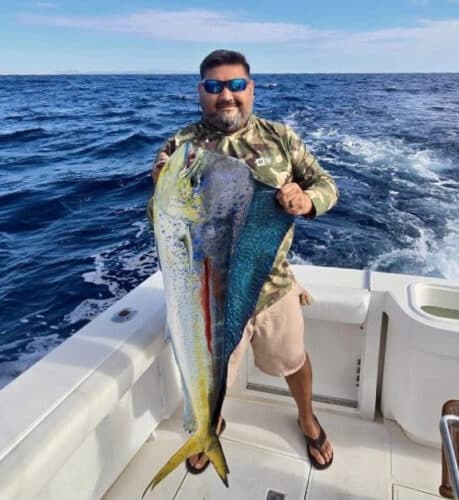
Miami Offshore Rip Produces Blackfin Tuna, Sailfish, Mahi, and Kingfish
Blackfin are lining up on Miami’s 260-foot bluewater edge, where one rip is also producing sailfish, mahi, kingfish and more. The key is fishing the seam like a pattern, not a guess.
The 260-foot line is the number that matters
A hard bluewater rip has turned the outer reef to about 260 feet into the most useful blackfin tuna lane in Miami right now. That edge is doing more than holding tuna, it is concentrating sailfish, schoolie mahi, kingfish, barracuda and bonito in the same offshore corridor, which tells you the fish are not scattered randomly. They are feeding where clean blue water, current and bait are lining up.
That is the practical takeaway for South Florida anglers: stop thinking of the run as a broad offshore gamble and start treating it like a defined tuna belt. If the sea conditions keep the rip sharp, the 260-foot zone can produce repeatably enough to plan a trip around it. If the water flattens, clouds over, or the edge breaks apart, the bite becomes more opportunistic and the fish can slide with the current.
Why blackfin are there now
Blackfin tuna are following the same spring offshore pattern that is showing up across South Florida. A broader forecast says offshore fishing has been good for blackfin tuna, mahi, sailfish and the occasional wahoo in 130-330 foot depths, and that wider depth band is important because it confirms this is not just a one-spot Miami fluke. The pattern stretches from the outer reef to deeper water, which gives you room to adjust if the fish move off the edge.
The conditions putting blackfin there are the classic ones: a hard rip, clean blue water, and enough current to stack bait. That is why the bite can be strong without being simple. The tuna are using the same travel lane as other pelagics, so a good blackfin stretch often comes bundled with kingfish, mahi and sailfish action rather than replacing it.
Is the bite repeatable or opportunistic?
It is both, but in different ways. The repeatable part is the structure: the outer reef and the 260-foot edge are predictable places to start, especially when the rip stays hard and blue. The opportunistic part is timing, because the best push can change with daily sea conditions, bait movement and how quickly the current edge resets.
That is why this fishery rewards checking the same zone more than once and being ready to change tactics on the fly. If the rip is alive, you can stay on it. If it softens, the fish may still be in the area but holding deeper, drifting off the edge, or shifting between tuna and other species as the day develops.
The game plan: depth, timing and presentation
For blackfin, the play starts with depth. The Miami-area report points you to the outer reef out to 260 feet, while the broader South Florida forecast pushes that productive water into the 130-330 foot range. In practice, that means working the edge first, then sliding deeper only if the marks, bait or bird activity tell you the fish have dropped.
Timing matters too. When a hard rip is up early, that is when the water looks most alive and the bait is easiest to find. If a full moon is in the picture, the report suggests early morning can also sharpen the wahoo bite, which matters because the same run can hold multiple pelagics and you may need to keep one rod ready for a surprise strike while you are tuna fishing.
Presentation is where the bite turns from theory into catches. The report says live baiting is the preferred approach, and that fits a blackfin pattern built around active fish on a current seam. Vertical jigging is also producing, which makes sense when fish are sounding under the boat or showing on electronics. Trolling Sea Witches tipped with a bonito strip is another proven producer, especially when you want to cover water or keep moving along the rip until the school shows itself.
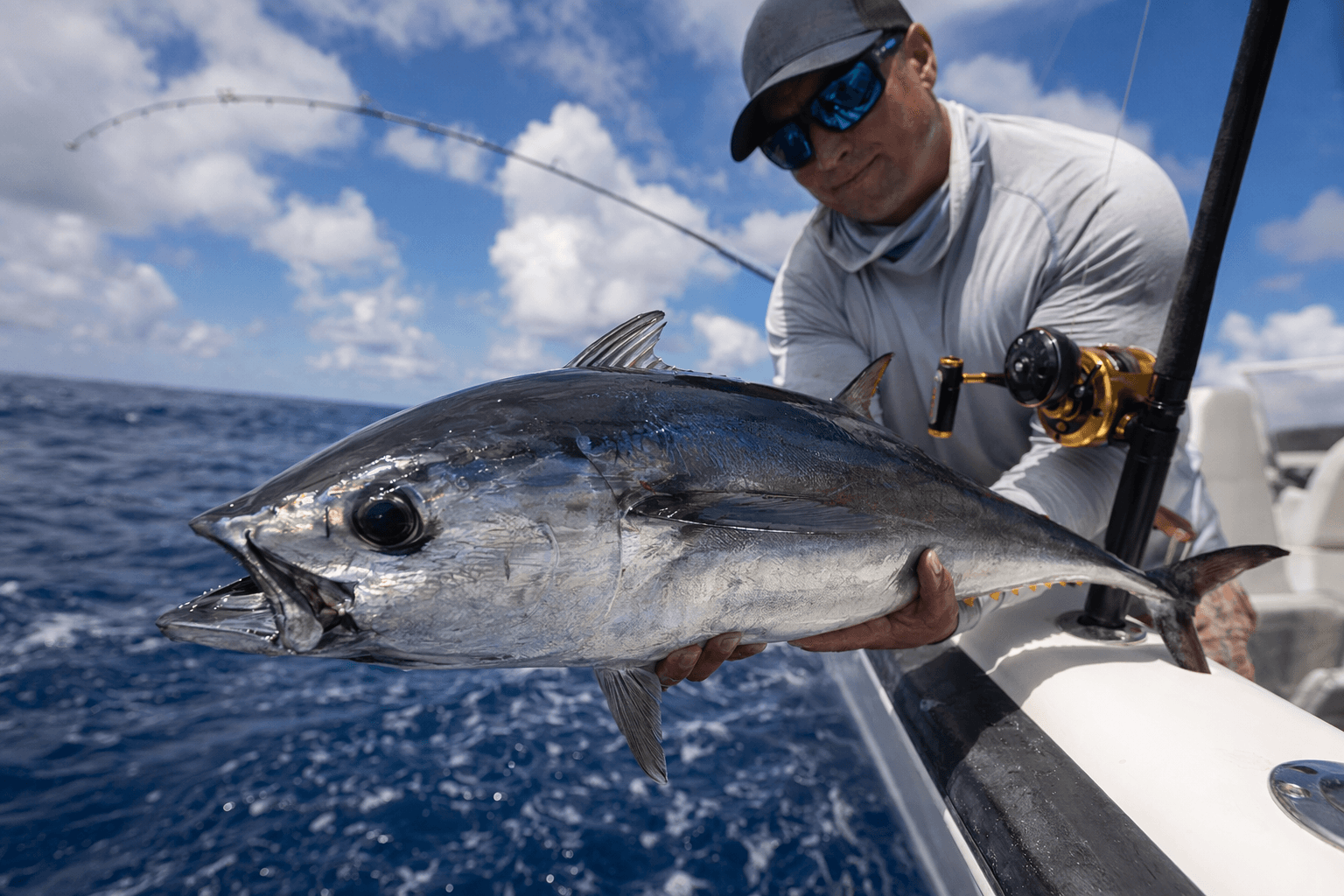
A practical spread on this kind of bite looks like this:
- Live bait on the edge for the most direct shot at blackfin
- Vertical jigs when marks are under the boat or the fish are refusing surface offerings
- Sea Witches tipped with bonito strip when you need a moving presentation that can pull bites across a wide seam
Why this is bigger than a tuna-only story
The same lane that is holding blackfin is also giving up sailfish, schoolie mahi, kingfish, barracuda and bonito in decent numbers. That is important because it means a Miami run can stay productive even if the tuna slide off for a stretch. You are not fishing a one-species window here; you are fishing a multi-species bluewater edge that can keep rods bending while you wait for blackfin to reappear.
The report also notes mutton snapper are holding over hard bottom and artificial reefs in 100 to 200 feet, and shallow-water grouper season opened May 1 in Atlantic waters. That wider offshore picture matters because it gives crews fallback options if the rip goes quiet. You can work the tuna lane first, then pivot shallower or switch targets without wasting the day.
The regulatory side that still matters on a hot bite
Blackfin tuna are managed as a highly migratory species, and tuna fishing for federally managed HMS species requires a federal HMS Angling Permit in both state and federal waters. Federal regulations also apply in state waters, so the paperwork does not disappear just because you are fishing closer to home.
Florida Fish and Wildlife Conservation Commission staff has also noted there is no stock assessment for blackfin tuna and limited information on the biology of the species, while concerns about the fishery have been heard particularly from southeast Florida and the Keys. That backdrop makes a strong Miami bite more than just good news for anglers. It is a reminder that blackfin are a valued South Florida target and a fishery worth paying attention to.
Why the record still matters to today’s bite
The attention blackfin get in South Florida is not accidental. Robert Kowalski’s 50-pound, 1-ounce blackfin tuna from South Miami, caught on June 1, 2024, is recognized by the International Game Fish Association as the all-tackle world record for the species. The fish ate a live bait off a kite and was boated after a 20-minute fight at Grove Harbor Marina in Coconut Grove.
That catch landed in the spotlight during the Miami Dolphins’ 25th annual Fins Weekend, which shows how blackfin have become a marquee South Florida gamefish rather than just a side note on a mixed offshore trip. Florida Sportsman has also described blackfin fishing in Florida as ranging from the Keys to the Space Coast, and that statewide range helps explain why a strong Miami rip can feel like part of a larger seasonal pattern instead of a one-day fluke.
The short version for anglers is simple: if you find the hard bluewater edge near the outer reef and the 260-foot line, you are in the right neighborhood for blackfin. Stay flexible, fish the seam hard, and be ready to switch from live bait to jigs or a stripped trolling bait when the school changes mood. In South Florida, that is how a rip turns into a tuna day.
This article was produced by Prism’s automated news system from verified source data, official records, and press releases, then run through automated quality and moderation checks before publishing. The system is built and supervised by the people who set the standards it runs under. Read our full AI policy.
Did this article answer your question?