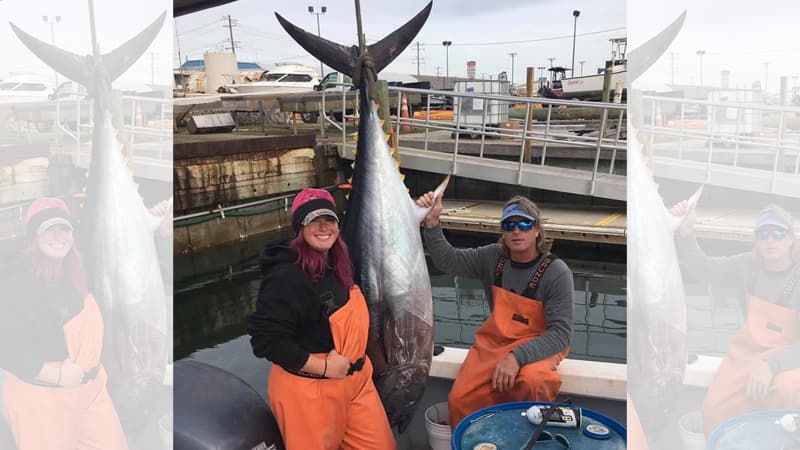
Mid-Atlantic Boats Make Long Runs Offshore as Bluefin Season Opens
With bluefin seasons open, boats out of Maryland and Virginia made extended offshore runs on January 8, 2026, chasing widely scattered bluefin. Anglers reported a mix of fish from roughly 30 inches to 60 inches and occasional larger specimens, while winter weather and locating birds and bait determined which trips found productive blitzes.
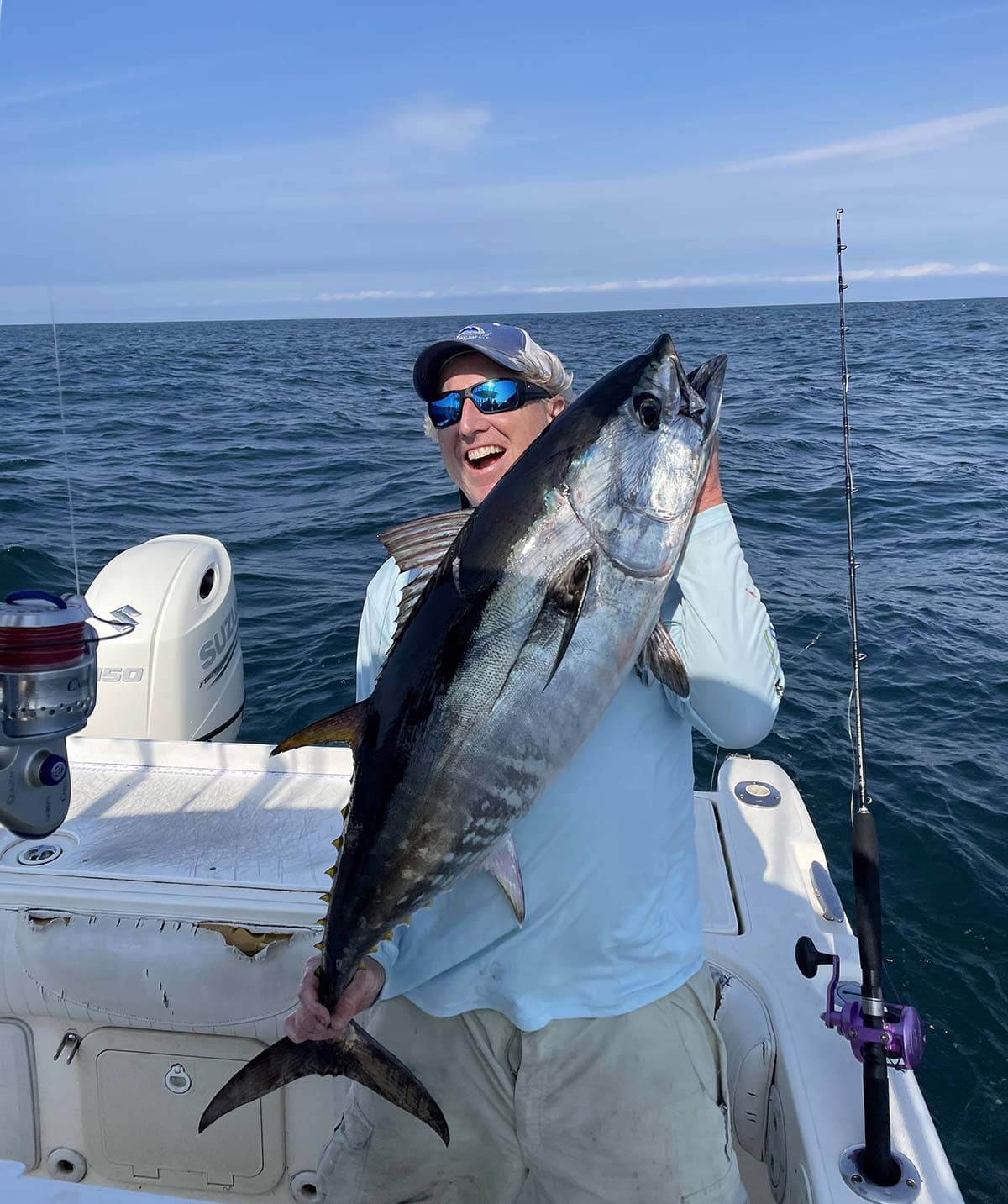
On January 8, 2026, the opening of bluefin season sent a surge of boats from Maryland and Virginia on long runs into offshore waters chasing Atlantic bluefin. Reports from the coast described fish spread out over wide areas, producing mixed results for crews and charter operations. Recent trips produced fish ranging roughly from 30 inches to 60 inches, with occasional larger specimens turning up on the rail.
Weather played a defining role in who made it to productive water. Winter systems limited the number of viable days on the water, meaning captains chose trips carefully and crews had to be ready for rapid changes in conditions. When conditions allowed, locating feeding activity proved decisive. Captains and anglers relied on sightings of gannets and concentrated bait schools to find blitzes, and those clues often separated successful trips from blank days.
The mixed-size composition on these early-season trips has practical implications for anglers and charter operators. Expect a spectrum of fish sizes rather than uniform trophy bites, and prepare tackle and rigs that can handle both smaller and larger bluefin. Plan for extended transit times and rougher seas on long offshore runs, and prioritize safety gear and cold-weather preparedness when scheduling trips in January conditions.
Regulatory considerations remain critical. Default highly migratory species and trophy bluefin retention rules continue to apply. Check NOAA for current regulatory details and any local adjustments before leaving the dock. Verify permit requirements, size and possession limits, and reporting obligations to avoid inadvertent violations during the season.

The community impact extends to charter schedules and local economies. Limited good-weather windows can concentrate demand on open days, so book early if planning an offshore trip. Share situational information among captains and crew about bird activity and bait concentrations; that local knowledge often shortens the search and improves odds of finding a blitz.
As the season unfolds, expect continued variability in where and when bluefin turn up. Prepare for long runs, watch for birds and bait, monitor NOAA rules, and treat each day on the water as a weather-dependent opportunity for offshore action.
Know something we missed? Have a correction or additional information?
Submit a Tip