NOAA Cracks Down on Improperly Labeled Tuna Imports, Issues Civil Penalties
Over 3.4 million pounds of yellowfin tuna canned by Mexican purse seiners entered the U.S. market with a fake dolphin-safe logo. Now two importers are paying $222,902 in civil penalties.
The dolphin-safe label on a can of tuna carries a specific legal promise: the fish was caught without knowingly setting nets on dolphin pods. Two U.S. importers, according to NOAA Fisheries, spent years violating that promise at scale.
NOAA reports it halted from import and removed from the market a combined 3.4 million pounds of yellowfin tuna from Mexico that was inaccurately labeled as "dolphin safe." NOAA Fisheries' Office of Law Enforcement conducted two multi-year investigations resulting in significant civil penalties and halting improperly labeled tuna from entering U.S. commerce. The Office of General Counsel's Enforcement Section issued $222,902 in civil penalties to the two importers.
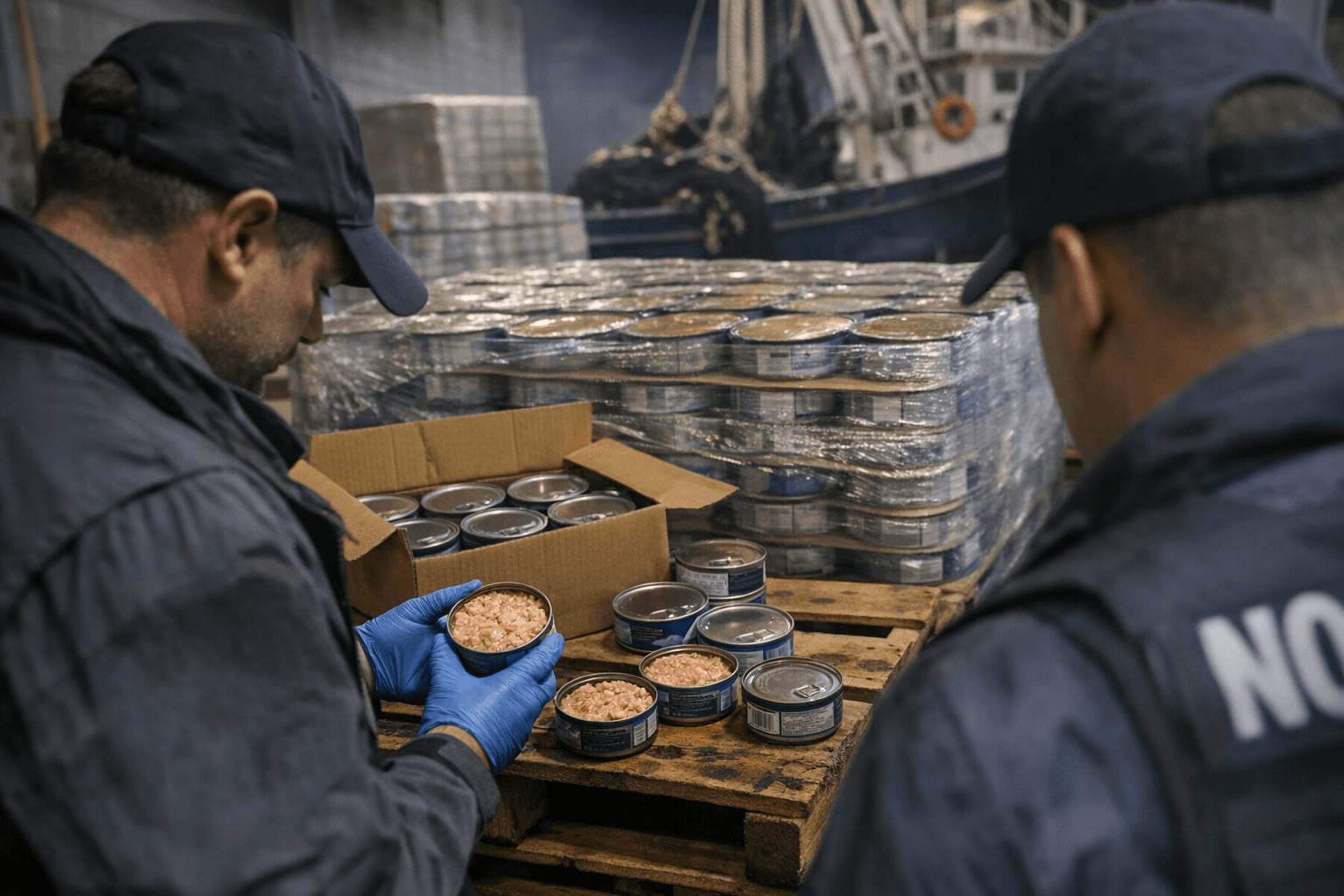
The first case centered on a distribution company. During an 11-month period, the company imported 74 shipments of canned and pouched tuna product, totaling 2.2 million pounds, improperly labeled with a "dolphin-safe" logo. Investigators didn't just document the violations; they physically stopped product mid-transit. While the investigation was ongoing, NOAA intercepted another shipment of 46,080 improperly labeled tuna cans en route into U.S. commerce and returned it to Mexico. The importers cooperated with the investigation, pulled the product from retail, and donated it to a nonprofit dedicated to fighting food insecurity. They agreed to create a new label, without a "dolphin-safe" logo, for all future shipments of tuna product destined for the United States.
The second case involved a large nationwide retailer. That company had imported 29 shipments totaling 1.2 million pounds of canned yellowfin that bore a dolphin-safe logo despite carrying no such certification. The retailer's response, once notified, was unusually thorough. The company removed the mislabeled product from retail sales and blocked point-of-sale transactions to prevent any further checkout of the cans. Incoming shipments were turned back to Mexico, and the existing inventory was donated rather than destroyed. The retailer also cut ties with the supplier responsible for applying the unauthorized logo and put a more robust internal review process in place for future seafood imports.
Both cases originated with routine surveillance, not a tip or a whistleblower. NOAA Fisheries' Office of International Affairs, Trade, and Commerce's Tuna Tracking and Verification Program conducted retail market spot check audits that flagged the suspect imports. The TTVP regularly spot checks canned and pouched tuna products in retail stores throughout the country to verify the authenticity of the dolphin-safe label and to verify that the product has been imported into the United States legally. Those spot checks triggered the law enforcement investigations that ultimately produced the penalties and product removals.
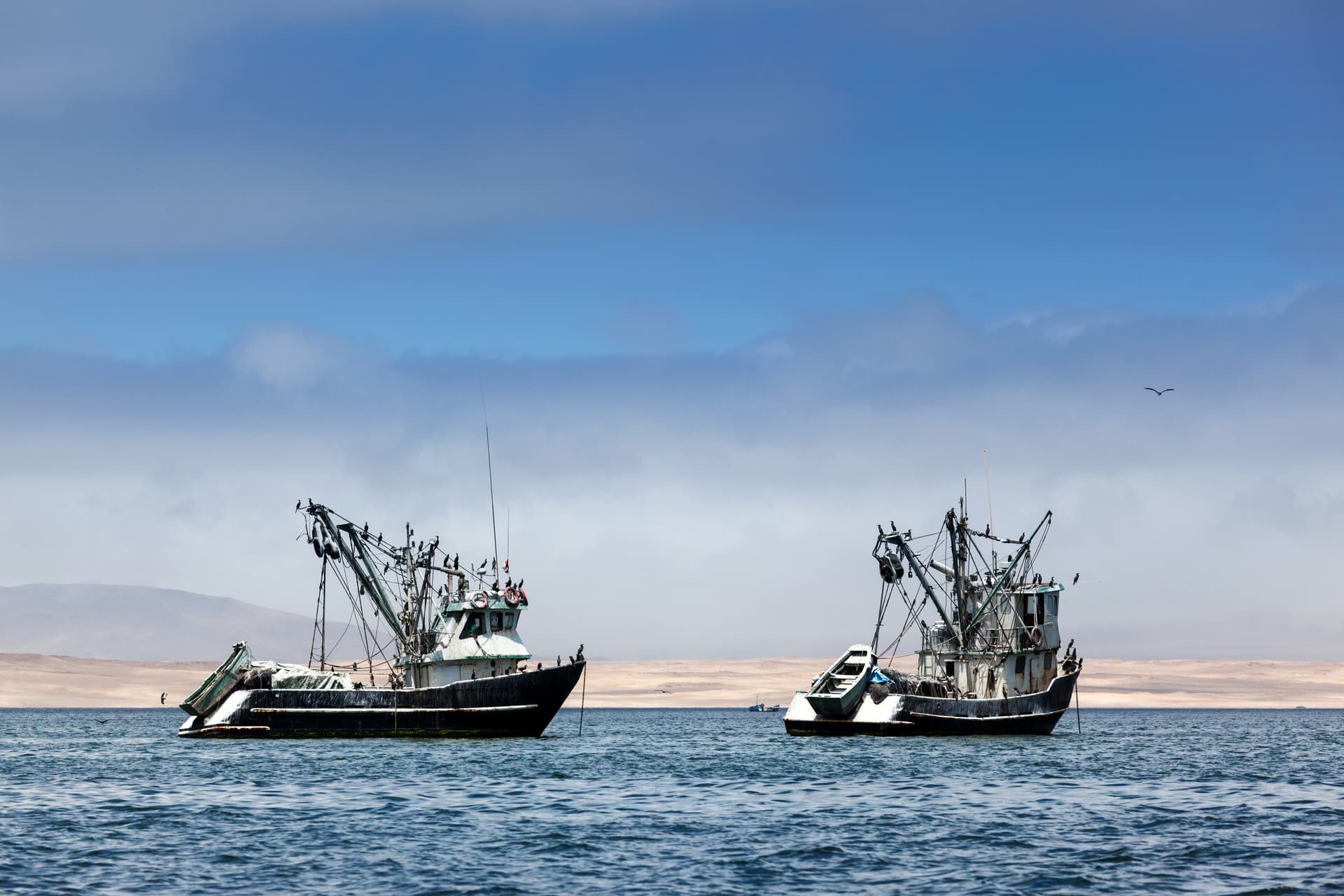
An investigation by NOAA Fisheries officers found Mexican purse seiners harvested yellowfin tuna in eastern tropical Pacific waters, packaged the tuna into cans and pouches, and improperly labeled it as a "dolphin safe" product. The eastern tropical Pacific is specifically the region where the tuna-dolphin bond is most pronounced, and where purse seine operations carry the greatest documented risk to dolphin populations, making the dolphin-safe certification there more than a marketing claim.
NOAA Fisheries' Tuna Tracking and Verification Program is the only program recognized by the U.S. government that legally satisfies all applicable federal regulations regarding dolphin-safe certification. Products that haven't cleared that process have no legal basis for carrying the label, regardless of what a supplier in the supply chain chose to print on the can.
Paige Casey, acting assistant director of NOAA Fisheries' Office of Law Enforcement, framed the enforcement action plainly: "Our agents work to ensure seafood entering the U.S. is legal, properly labeled, and safe for consumers to trust."
Neither company was publicly identified by name in NOAA's announcement, and no breakdown of the $222,902 penalty between the two importers was provided. The cases remain a reminder that the dolphin-safe label is actively monitored, and that the TTVP's retail spot check program has real teeth.
Know something we missed? Have a correction or additional information?
Submit a Tip
%2Ffit-in%2F1200x630%2Fusers%2F33cfca0a-ab78-43c3-9e45-e9d8978f141f%2Fimages%2Fbef2a71c-5355-403f-a9c4-eabe4ad90f92.jpg&w=1920&q=75)