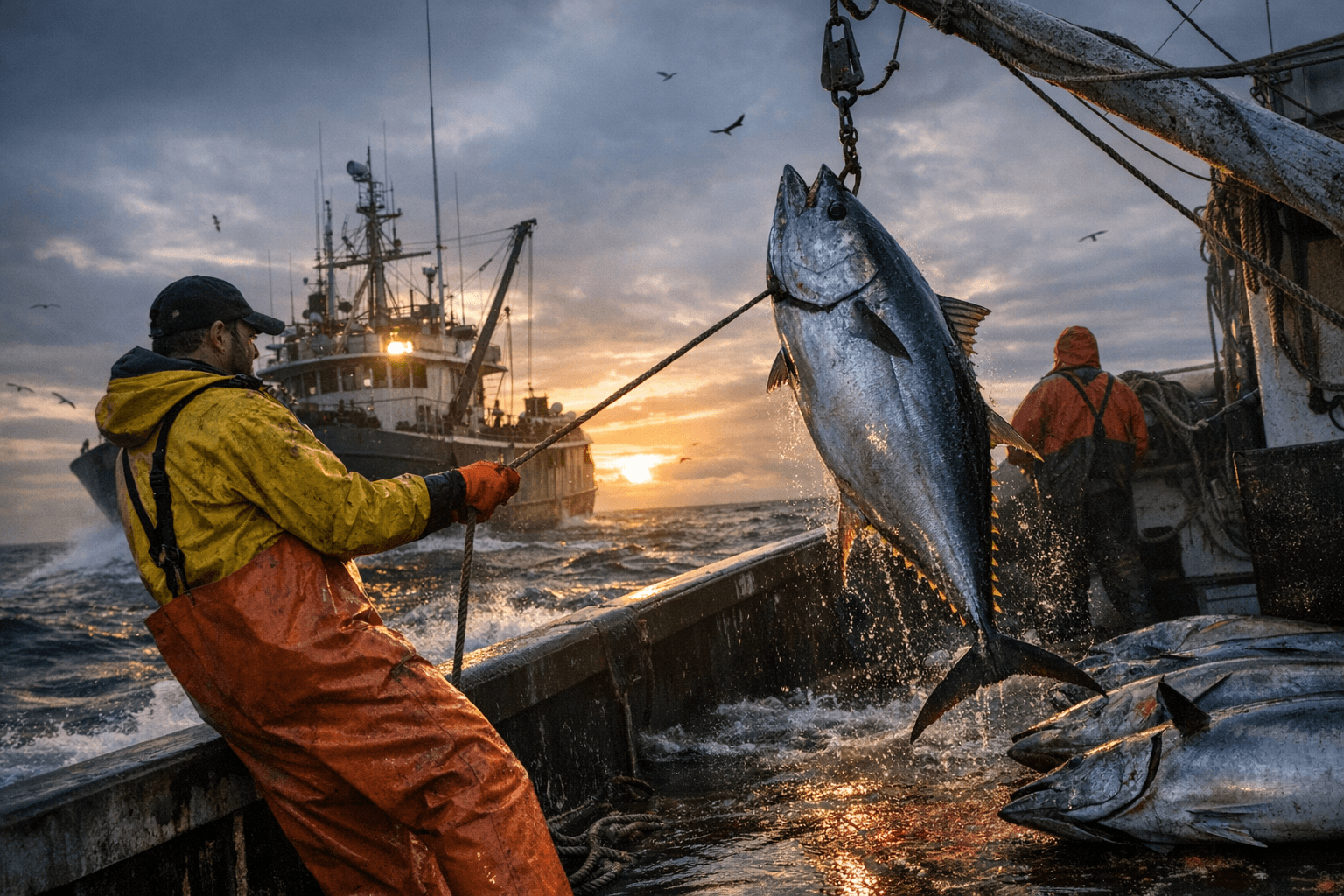
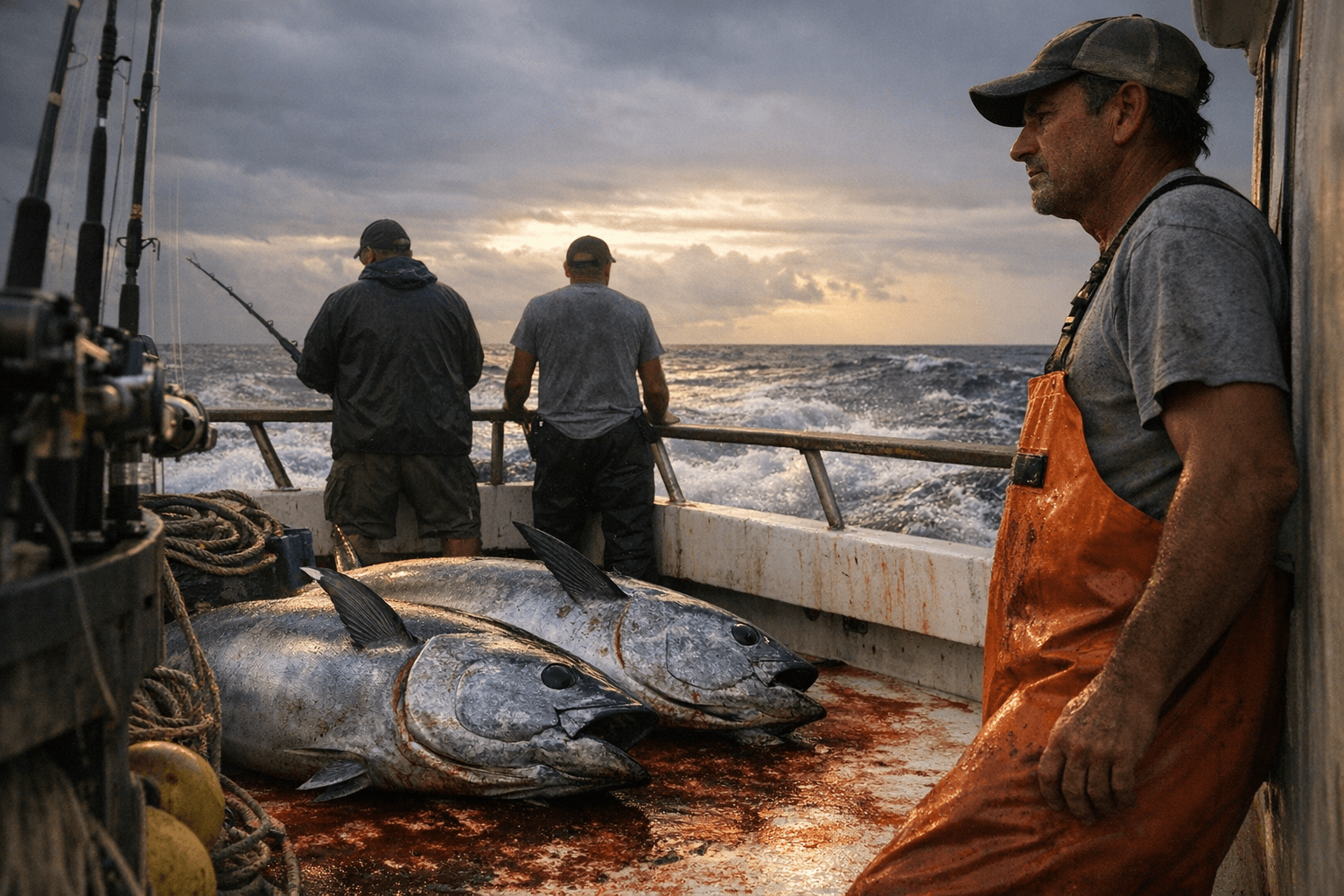
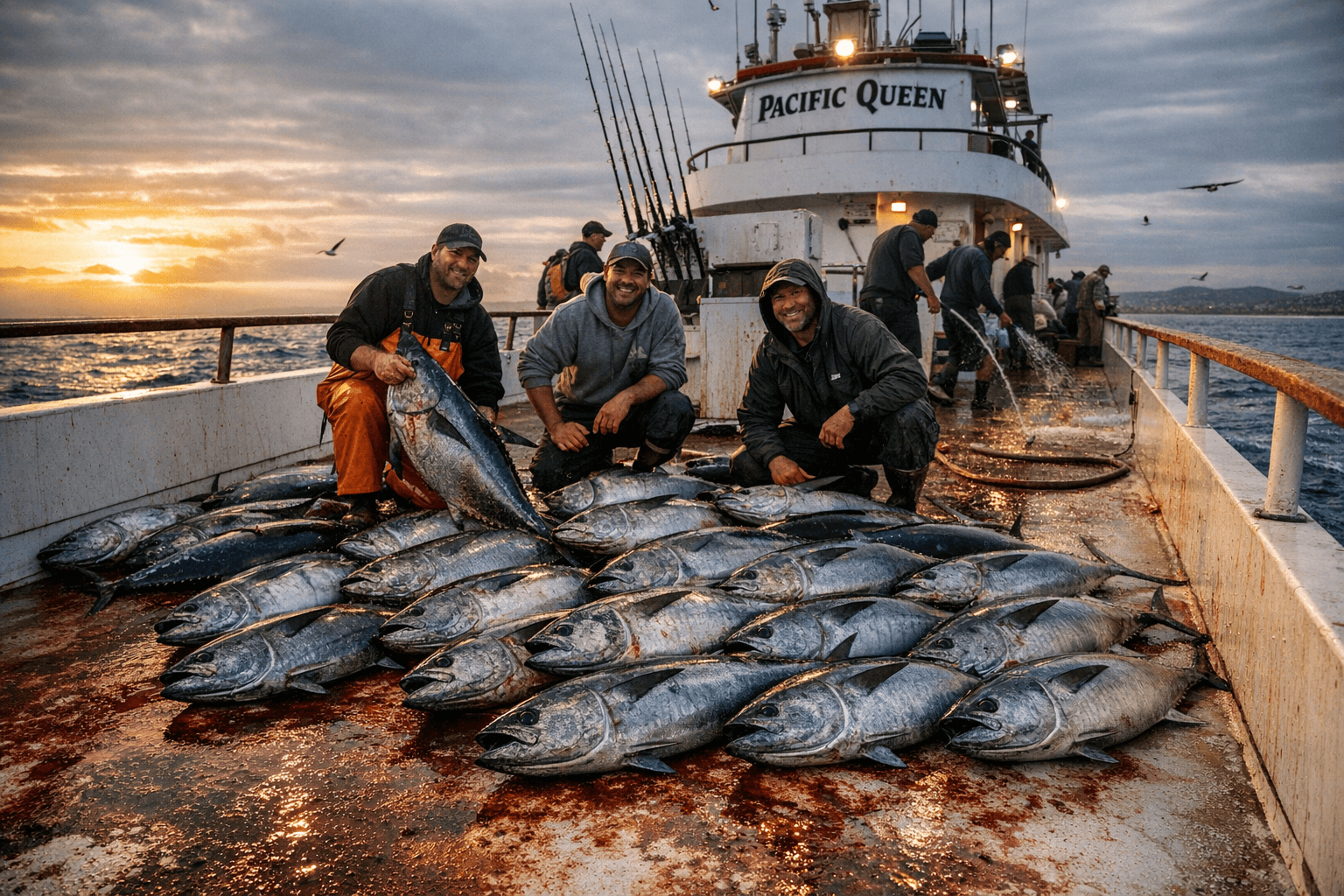
NOAA grants Panama five-year yellowfin tuna import approval
NOAA gave Panama a five-year yellowfin import pass, but it still comes with annual review and dolphin-safe compliance checks.
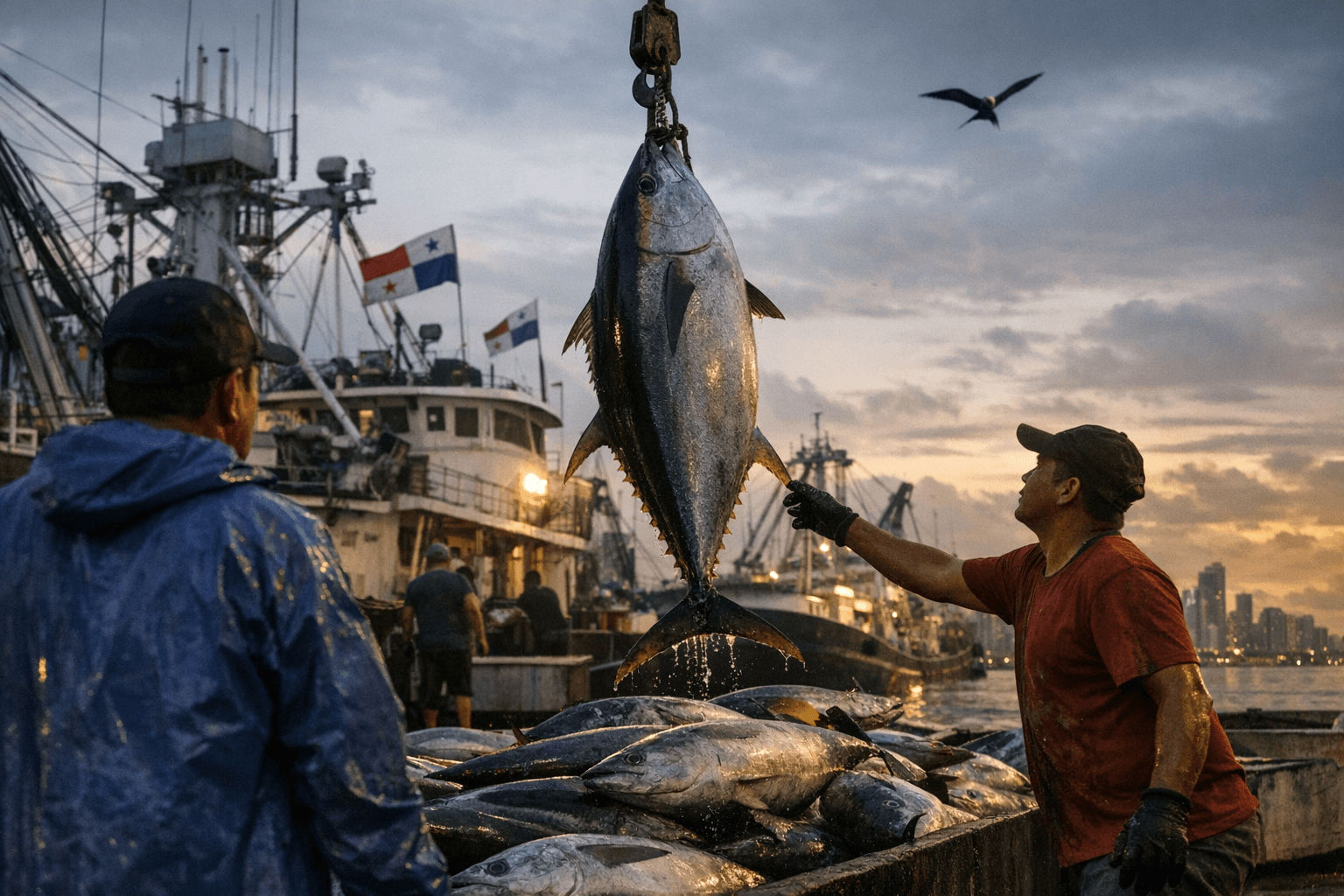
Panama just secured a five-year green light for yellowfin tuna access to the U.S. market, a move that keeps a major eastern Pacific supply line open while NOAA keeps the compliance pressure on. The new affirmative finding, issued April 15, runs from April 1, 2026, through March 31, 2031, and covers yellowfin tuna and yellowfin tuna products harvested in the eastern tropical Pacific Ocean by purse seine vessels operating under Panamanian jurisdiction, or exported from Panama.
For buyers who watch tuna cases, fish counters, and import flows, the practical effect is continuity. NOAA’s National Marine Fisheries Service based the decision on documentary evidence from the Government of Panama and information from the Inter-American Tropical Tuna Commission, the regional body charged with the long-term conservation and sustainable management of tuna and tuna-like species in the eastern Pacific Ocean. That matters because this is one of the main gates that controls whether a nation can keep shipping yellowfin into the United States under the rules tied to dolphin protection.
The affirmative-finding system is not a rubber stamp. NOAA says countries need to be in the IATTC, or taking steps toward membership, and must be meeting obligations under the Agreement on the International Dolphin Conservation Program. The Panama finding will be reviewed every year, and NMFS can terminate it if Panama stops meeting the regulatory requirements or keeps failing to enforce violations in a way that weakens the AIDCP. NOAA’s Tuna Tracking and Verification Program, put in place in 2000 to carry out the AIDCP mandate in the United States, sits underneath that whole structure.
For tuna anglers who also eat what they catch, the big takeaway is confidence, not celebration. This decision does not change how a yellowfin swims offshore, but it does affect how steady the market can feel when imported eastern Pacific yellowfin keeps moving through processors, importers, retailers, and restaurants. That kind of continuity can shape price, availability, and how much trust people place in the fish on the shelf when they see “dolphin-safe” language attached to the product.
The broader picture is even bigger than Panama. NOAA’s 2025 marine mammal import review covered about 2,500 fisheries in 135 nations and denied comparability findings for 240 fisheries from 46 nations, a reminder that access to the U.S. seafood market depends on hard compliance lines, not marketing. For yellowfin buyers, Panama’s approval says the supply is still moving. It also says NOAA is still watching the way the fishery handles dolphins, reporting, and enforcement.
Know something we missed? Have a correction or additional information?
Submit a Tip