NOAA Research Finds Atlantic Bluefin Tuna Spawn Far Beyond Known Gulf Grounds
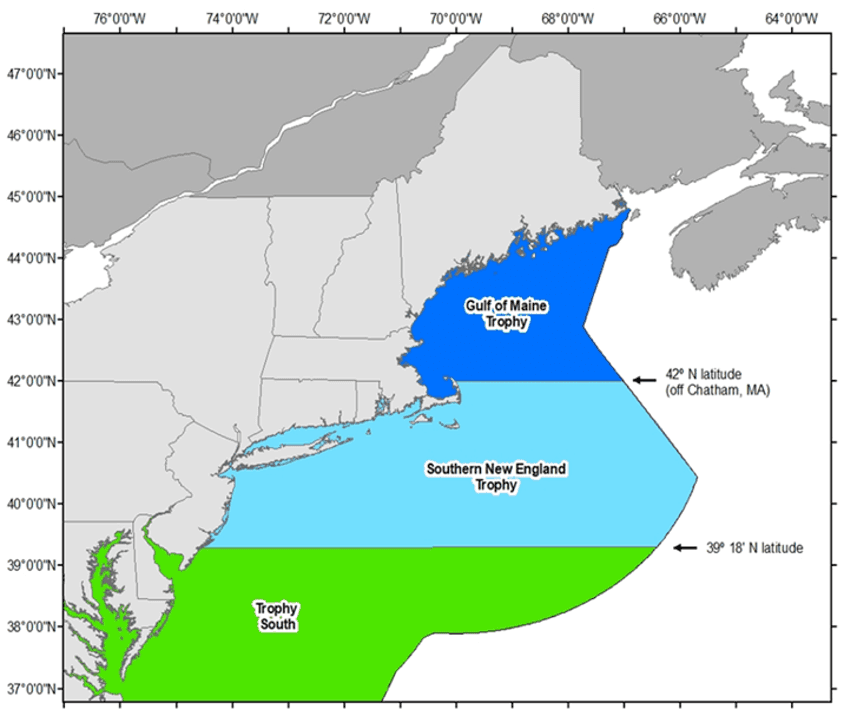
Bluefin larvae turned up at more than half of 70 sampling stations in the Slope Sea, a stretch between the Gulf Stream and the Northeast U.S. shelf long overlooked by scientists.
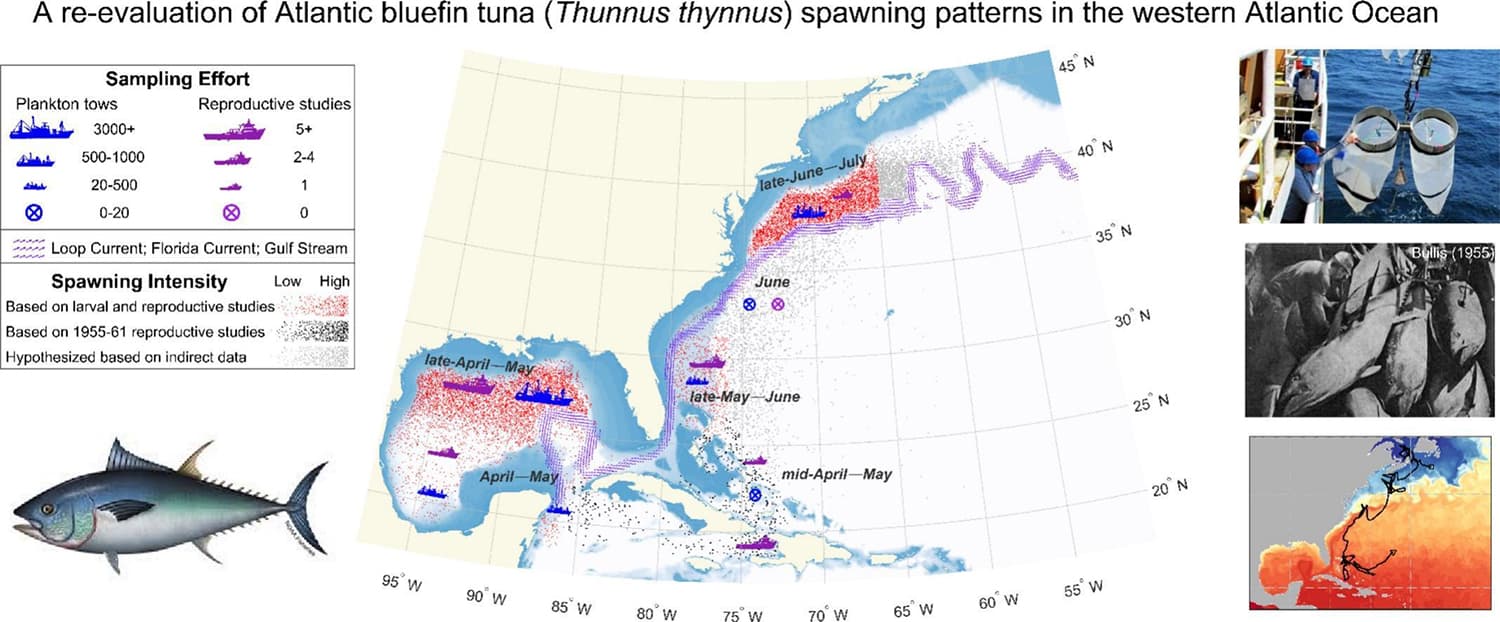
Bluefin tuna have been spawning in waters that scientists barely bothered to sample for decades. A multi-decade synthesis of larval and reproductive data published by NOAA Fisheries shows Atlantic bluefin spawning across a far broader stretch of the western Atlantic than the Gulf of Mexico grounds that have defined management thinking for 40 years.
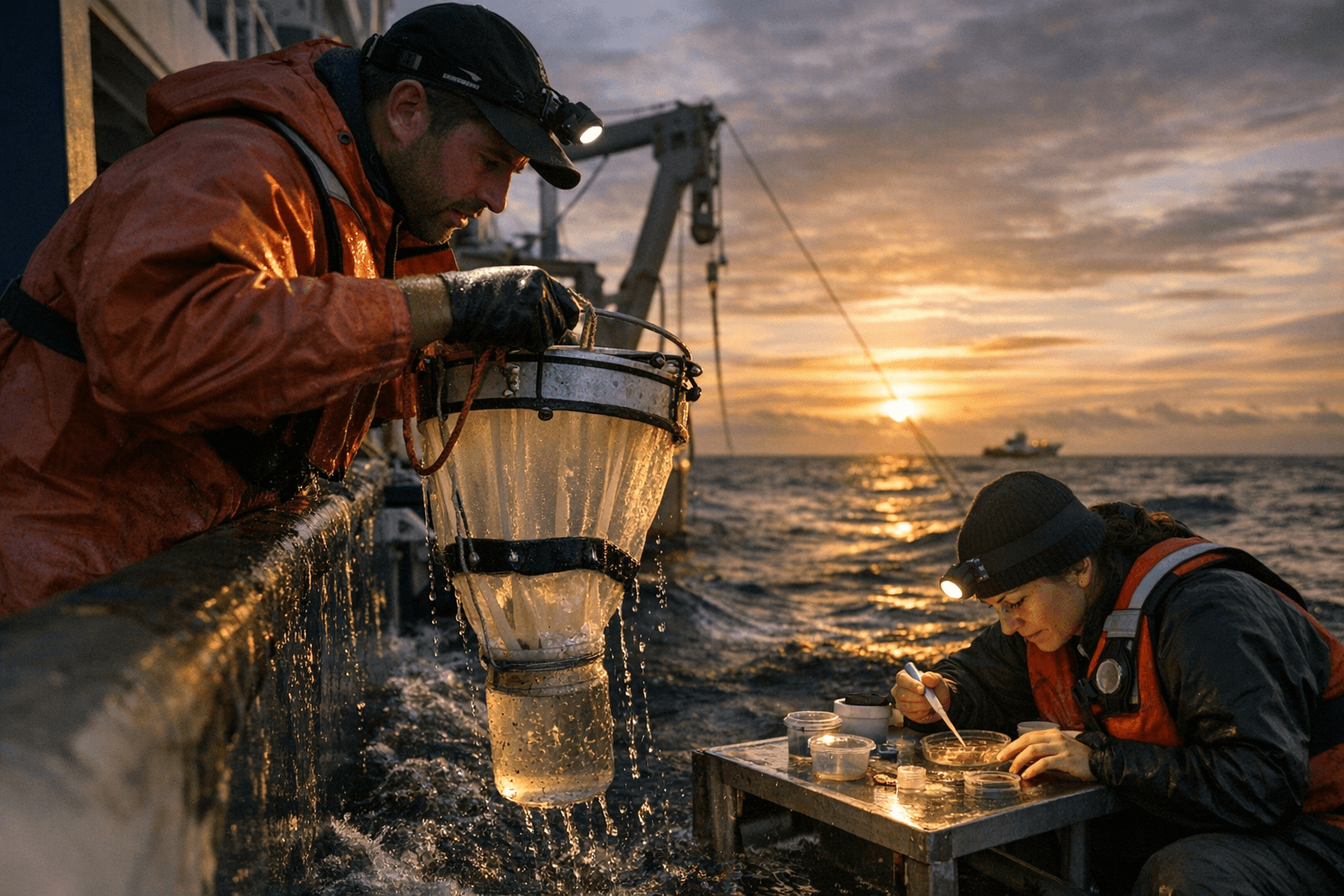
The evidence centers on the Slope Sea, the band of open ocean wedged between the Gulf Stream and the continental shelf off the northeastern United States. NOAA scientists describe that corridor as a possible "crucial missing piece" for understanding how the Atlantic population is actually structured. During a recent cooperative research survey there, scientists ran 70 net tows through the top 20 meters of the water column, reading sea surface temperature, currents, and salinity the way any experienced bluefin angler would to find fish. Larvae turned up at more than half of the stations. "We got a substantial number of larvae, which we are very excited about!" said Kristen Walter, a researcher with NOAA's Southeast Fisheries Science Center and the University of Miami Cooperative Institute for Marine and Atmospheric Studies. "Now it's just a matter of going through the samples, identifying the bluefin, examining size ranges, and doing genetic testing to determine our findings."
The larval haul supports a hypothesis that Dr. Molly Lutcavage's lab at the Large Pelagics Research Center in Gloucester, Massachusetts had been developing through reproductive research and electronic tagging work affiliated with UMass Dartmouth's School for Marine Science & Technology. Lutcavage's team predicted that smaller, younger fish would spawn closer to feeding grounds rather than making the long run to the Gulf of Mexico. The Slope Sea larvae fit that picture.
The Slope Sea was not entirely unknown to science. A 2016 larval study by Richardson and colleagues flagged the region as a potential spawning ground. Cornell University researcher Christina Hernandez and her collaborators extended that work using otoliths, the tiny ear bones of larvae, to determine age, then ran particle tracking simulations converting larvae into virtual beads inside a high-resolution ocean current model to test whether those fish could plausibly have hatched in the Gulf of Mexico. The simulations pushed back against that origin. "I think it is really important to be aware of that region, to have baseline knowledge about what's happening there," Hernandez said. Her study, published in the Canadian Journal of Fisheries and Aquatic Sciences, concluded the results provide supporting evidence that the Slope Sea is a major spawning ground likely to be important for population dynamics.
A separate study published in Molecular Ecology, led by Spain's AZTI Technology Centre with researchers from eight countries including three NOAA Fisheries scientists, adds another dimension. It is the first genetic analysis of Atlantic bluefin to include all known spawning grounds: the Gulf of Mexico, the Mediterranean, and the northeastern U.S. area. The study found that populations previously assumed to be reproductively isolated are not only connected but actively mix at the northeastern U.S. spawning ground, a result with significant implications for how managers draw the line between eastern and western stocks at the 45th west meridian.
That boundary is the backbone of ICCAT's two-stock management framework, which sets separate Total Allowable Catch limits for eastern and western populations. Every year, those decisions ripple out to every Atlantic nation's bluefin quota. Debate over the spawning science underpinning those limits has persisted for four decades. Clay Porch, director of the Southeast Fisheries Science Center, acknowledged the stakes plainly. "We hope this work can help answer the questions many fishermen have about what's going on with bluefin," he said. "There's a strong perception among fishermen that bluefin tuna abundance is higher than it has been in a long time, leading to calls for increased quotas."
Findings from the research were presented to ICCAT in fall 2025. The data now feed directly into a larger reckoning. "With the current management strategy evaluation scheduled to undergo review to incorporate new information starting in 2026, this study coupled with the larval survey will play an important role in the process, providing data that have never been available before," said Dr. John Walter, NOAA Southeast Fisheries Science Center Deputy Director for Science and Council Services.
Lab work on the collected larvae, including species identification, size analysis, and genetic testing, is still underway. The answer to whether the Slope Sea is producing the fish that anglers have been seeing in record numbers along the Northeast coast may be sitting in those sample jars right now.
This article was produced by Prism’s automated news system from verified source data, official records, and press releases, then run through automated quality and moderation checks before publishing. The system is built and supervised by the people who set the standards it runs under. Read our full AI policy.
Did this article answer your question?