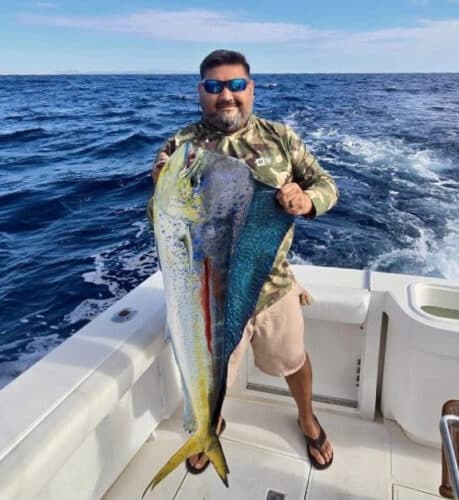
Oakridge, Honduras report shows blackfin tuna amid mixed offshore bite
A morning spin off Oakridge turned up blackfin tuna with wahoo, sailfish and king mackerel, a strong sign the bait was stacked on the right edge. In Roatán, that mixed bite can be the better offshore plan.
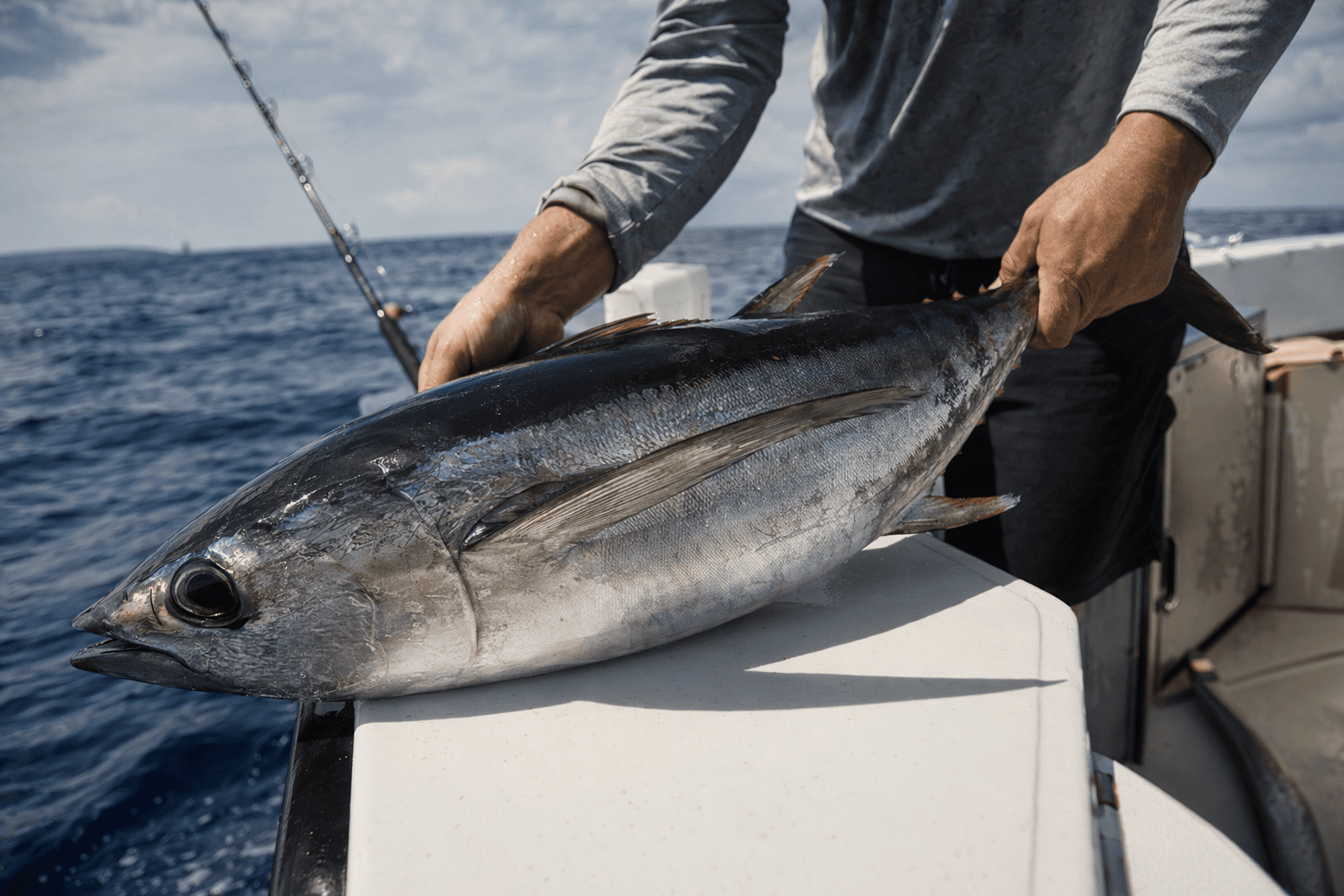
Blackfin tuna showed up in a morning mixed bag off Oakridge, but the more important clue was the company they kept: wahoo, great barracuda, bonito, king mackerel and sailfish all hit in the same outing with Out Of The Blue Adventures on the Wahooo. That kind of spread usually points to a compact offshore zone where bait, current and clean water are lining up well enough to hold multiple pelagics at once.
The April 23, 2026 report from Oakridge, on Roatán in Honduras’s Bay Islands, reads like a short trip with a fast payoff rather than a long grind. That matters because a morning spin that produces blackfin alongside wahoo and billfish usually suggests an active bite window, not a one-off drop in luck. When blackfin are mixed in with faster movers like wahoo and sailfish, anglers are often looking at a productive edge, a rip or a current seam where schools can feed up and down the water column.
For anglers deciding whether to target blackfin specifically in Oakridge, the mixed-species pattern points to a simple rule: go after tuna when the signs favor school fish and bait concentration, but stay open to a wider game plan when the same water is producing wahoo and sailfish. Blackfin often travel as part of a broader offshore feed, and this report fits that pattern. If the spread starts showing more wahoo, bonito and king mackerel than tuna, the smarter play may be to work the whole pelagic zone instead of chasing only one species.
That flexibility fits Roatán’s offshore reputation. The island sits between Honduras and deeper Caribbean water, which gives charter boats access to bluewater action close to shore. FishingBooker describes Honduras offshore waters as home to wahoo, yellowfin tuna, mahi-mahi, blue marlin and sailfish, and local listings commonly group tuna, sailfish, wahoo and king mackerel together as standard targets. In other words, the Oakridge catch was not an oddball. It was a snapshot of what this fishery is built to do.
Blackfin tuna also make sense in the wider region on the map. The species runs through the western Atlantic from Massachusetts to Brazil, including the Gulf of Mexico and the Caribbean Sea, and NOAA’s Atlantic highly migratory species framework includes the Caribbean Sea in that broader management picture. For anglers heading to Oakridge, the takeaway is clear: blackfin can be the headline, but in Roatán they are often part of a mixed offshore pulse that is worth fishing hard from the first tide change to the last.
This article was produced by Prism’s automated news system from verified source data, official records, and press releases, then run through automated quality and moderation checks before publishing. The system is built and supervised by the people who set the standards it runs under. Read our full AI policy.
Did this article answer your question?