Pacific Tuna Stocks Hold Strong, But FFA Warns of Rising Pressure
Pacific tuna is still in the green, but FFA says illegal fishing, climate stress and unequal benefits are tightening the squeeze.
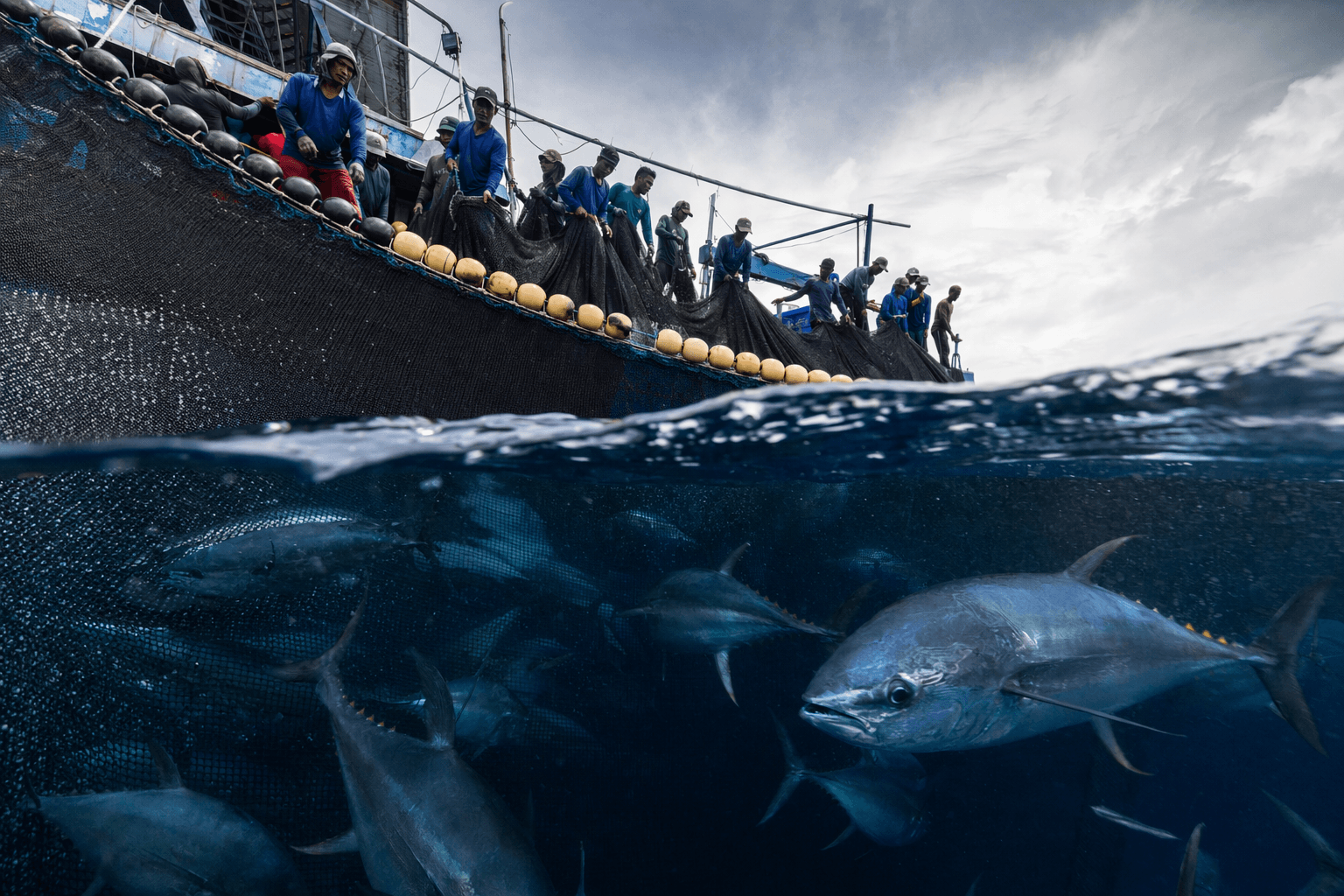
Pacific tuna stocks were still healthy on paper, but the Forum Fisheries Agency used World Tuna Day to deliver a blunt warning: a strong season can hide the next round of risk. The Western and Central Pacific Fisheries Commission said the region’s 2024 catch was the highest ever recorded, and its 2025/2026 reporting kept the key tuna stocks in the green, meaning they were not overfished and not undergoing overfishing. FFA said that is exactly why the region cannot ease up.
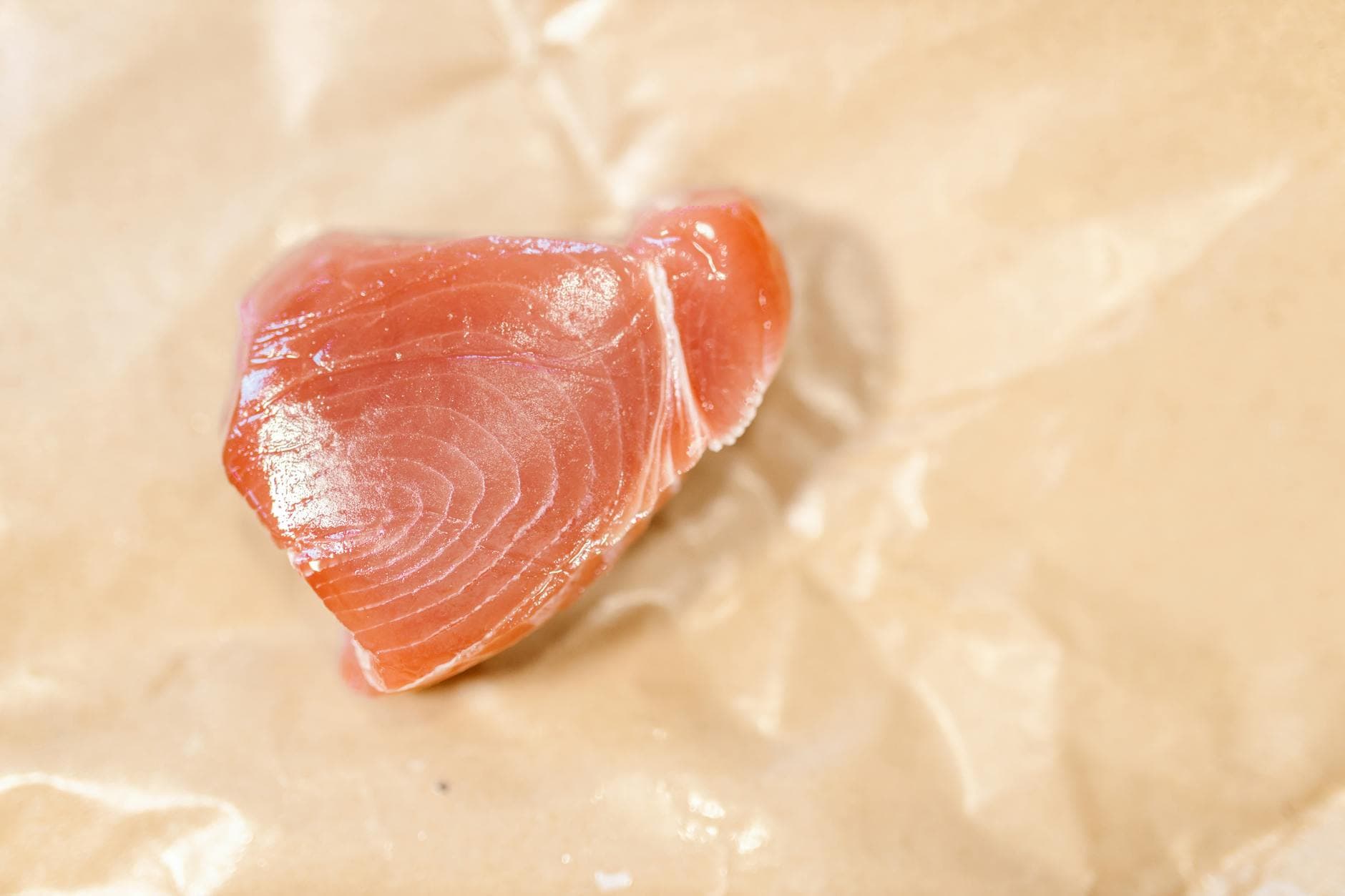
The agency said the Pacific was the only region where all four major tuna stocks, skipjack, yellowfin, bigeye and albacore, were biologically healthy. It also put the value of tuna caught in the national waters of its 17 members at about US$2 billion to US$3 billion a year, including around US$2.9 billion in 2023. That money sits at the center of Pacific livelihoods, food security and public revenue, with FFA saying access fees alone bring in about US$500 million each year and total collections from tuna exceeding US$1 billion annually. For many island economies, the fish is still carrying far more than its own weight.
The warning from FFA Director-General Noan David Pakop was that those gains are vulnerable if the region does not keep tightening management. Pakop, the first Papua New Guinean to lead the agency, was appointed in May 2024, endorsed by ministers in July 2024 and took up the role in November 2024. His message on the May 2 observance was that tuna is not just a commodity moving through global trade; it is a strategic Pacific asset that needs better decisions on how it is consumed, fished and governed.
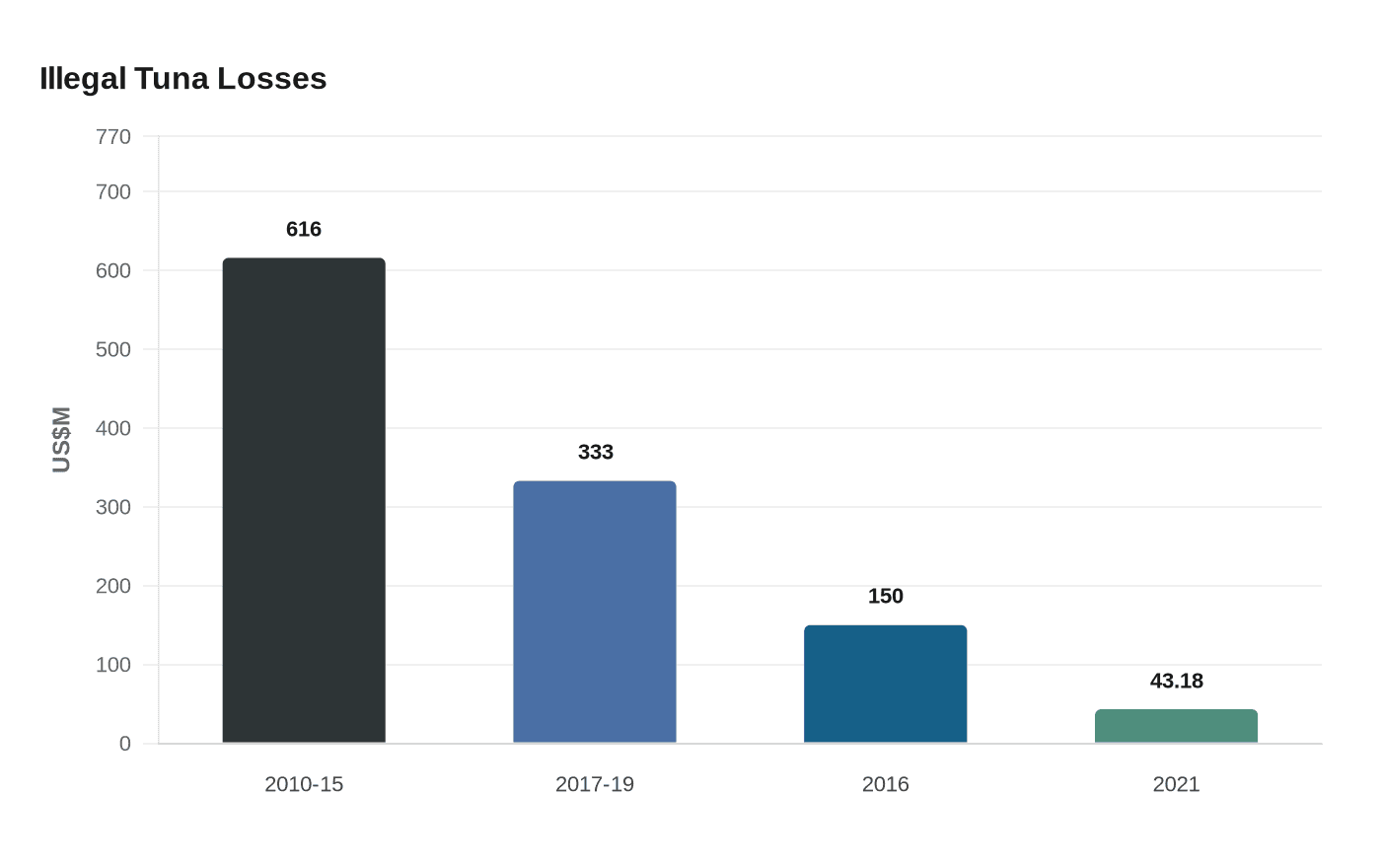
The enforcement record shows why that matters. FFA said joint surveillance operations such as Kurukuru, Rai Balang, Tui Moana and Island Chief helped cut revenue losses from predatory and illegal fishing. In 2016, more than US$150 million worth of tuna was estimated to have been siphoned out of Pacific economies. By 2021, that figure had fallen 72 percent to about US$43.18 million. A separate FFA-backed IUU study estimated 192,186 tonnes of tuna product were involved in illegal, unreported and unregulated activity in 2017-19, worth about US$333 million, down from 306,440 tonnes worth US$616 million in 2010-15.
The climate risk is harder to arrest. A 2021 study projected that warming oceans could cut average tuna catch in the combined waters of 10 Pacific Small Island Developing States by 20 percent by 2050 under continued warming, while some countries could face annual government revenue losses of 8 percent to 17 percent under a high-emissions scenario. With the Western and Central Pacific Ocean producing about 60 percent of the world’s tuna, the next pressure point is not whether the stocks can still hold, but how long Pacific communities can hold their share.
This article was produced by Prism’s automated news system from verified source data, official records, and press releases, then run through automated quality and moderation checks before publishing. The system is built and supervised by the people who set the standards it runs under. Read our full AI policy.
Did this article answer your question?