UK Opens Bluefin Tuna Catch-and-Release Permits for 2026 Season
England’s 2026 bluefin permit round packed 150 English spots, £450 training and a mid-July to 30 November season.
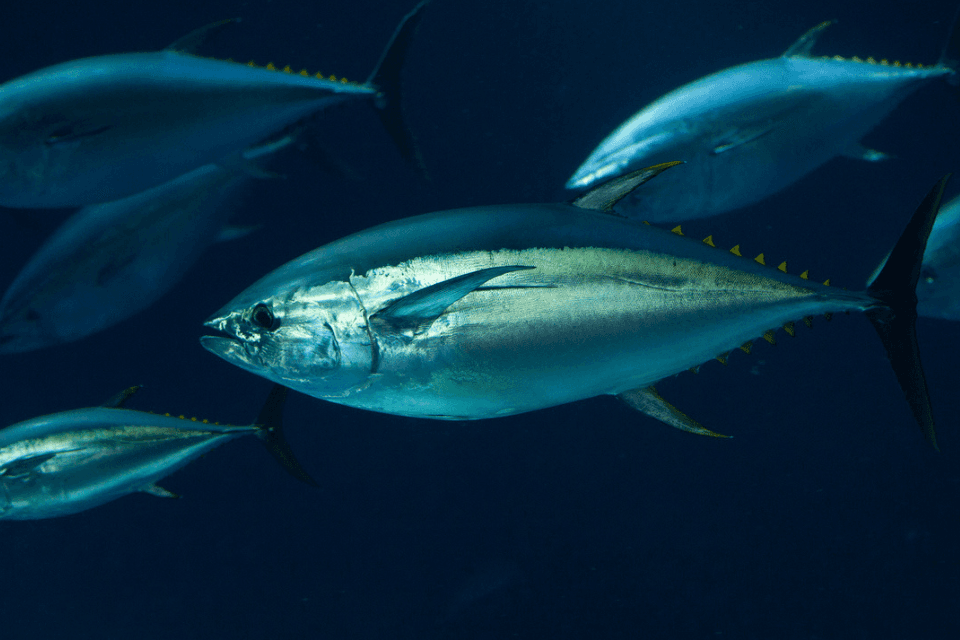
A bluefin trip in English waters now depends on a permit, a mandatory training course and a tight reporting clock. The Marine Management Organisation opened the 2026 catch-and-release recreational fishery with around 150 permits for English waters, about 230 across UK waters, and a season running from mid-July to 30 November.
Applications opened on 24 March and closed at 23:59 on 13 April. Anyone who landed a conditional offer still has to complete Angling Trust-accredited training before a permit is issued, and the course is expected to cost about £450 per person. That matters on the water, because the 2026 scheme is no longer just about getting a boat on the fish. Charter operators and private skippers now have different lanes to run in, with charter vessel applicants able to qualify for multi-year permits inside the 2026 to 2028 TAC cycle, while private vessels stay on one-year permits.
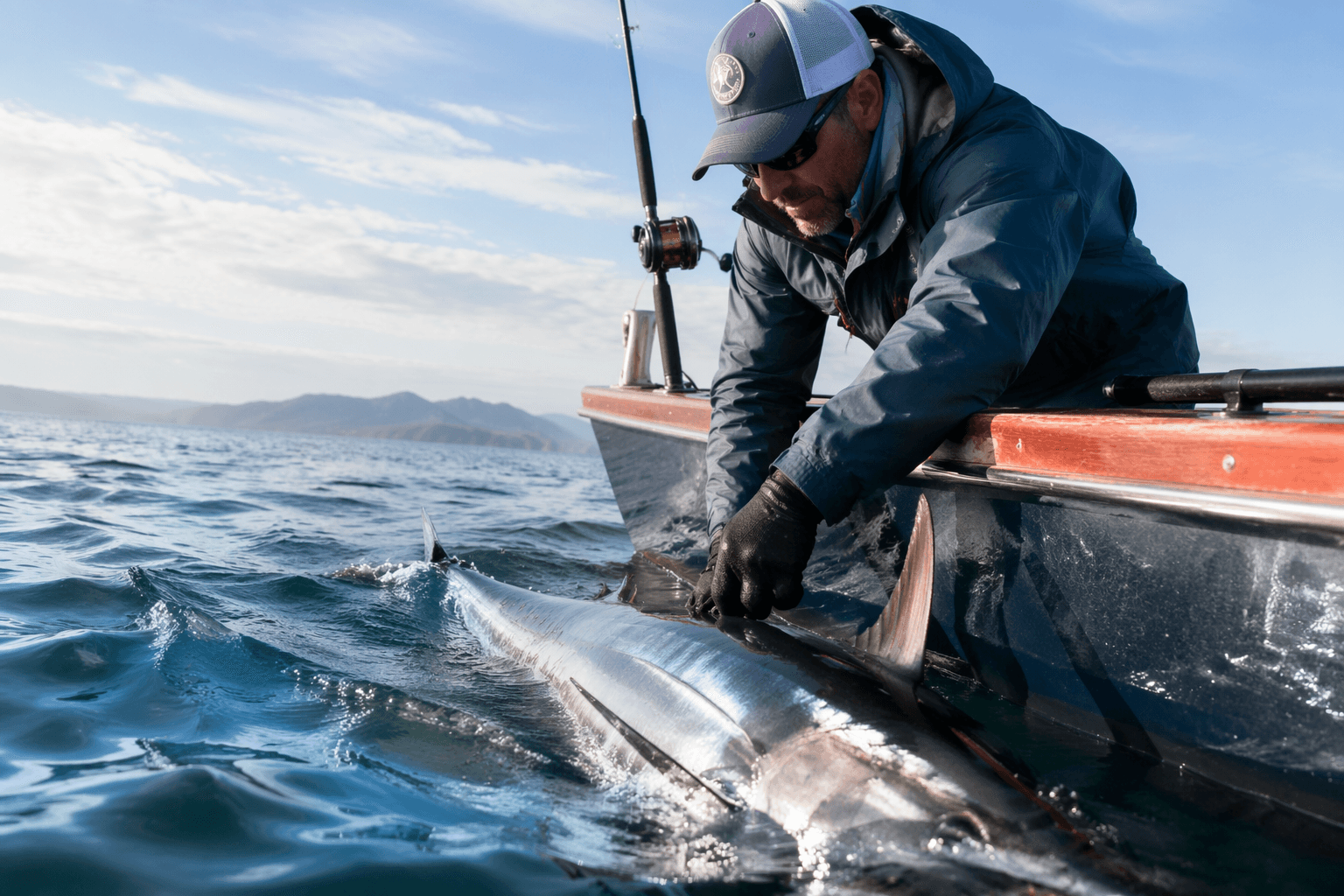
The fishery sits inside a 20-tonne recreational quota for 2026, and that allowance also accounts for incidental mortality. The same package sets aside 120 tonnes for up to 30 commercial licence authorisations using low-impact rod-and-reel gear, all under a bluefin fishing plan that has been endorsed by ICCAT. The UK’s overall bluefin quota jumped to 231 tonnes for 2026, up from 63 tonnes in the previous allocation, giving the species far more room in the management conversation than it had a few years ago.
The rules are a clear step on from the first English catch-and-release fishery that opened in 2024. That system already required all trips to be reported to the Marine Management Organisation within 24 hours of return, with fishery data passed on to ICCAT, and that reporting requirement remains central to the 2026 season. The new training requirement is the big change for skippers and crews, and it raises the bar on welfare, safety and paperwork before a rod ever goes over the side.
Defra’s 2023 consultation on the permit regime drew 167 responses and leaned on CHART tagging work from 2021 and 2022, which showed very low incidental mortality and produced social and economic data for the fishery. Supporters say the structure protects a rebuilding stock while giving coastal communities a premium recreational fishery. Dr. Richard Kirby has pushed back, arguing for catch and kill instead, but the government, the Angling Trust and the MMO have all moved ahead with a system built around controlled access, mandatory training and strict reporting.
This article was produced by Prism’s automated news system from verified source data, official records, and press releases, then run through automated quality and moderation checks before publishing. The system is built and supervised by the people who set the standards it runs under. Read our full AI policy.
Did this article answer your question?