Fort Lauderdale Spring Offshore Bite Brings Blackfin Tuna, Sailfish, Mahi-Mahi
Clean water and a mixed offshore spread are driving a strong blackfin bite off Fort Lauderdale. May is prime time, and the clues suggest the run is still building in the best water.
The spring pattern is lining up in Fort Lauderdale
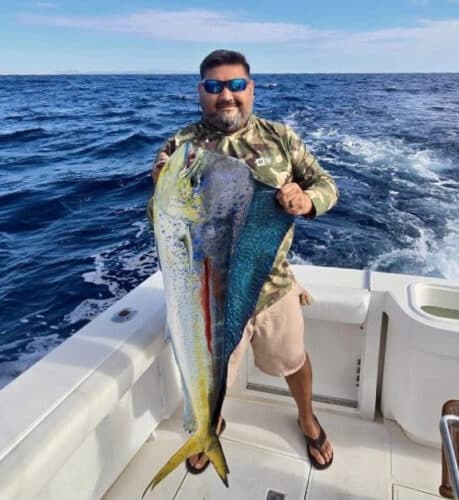
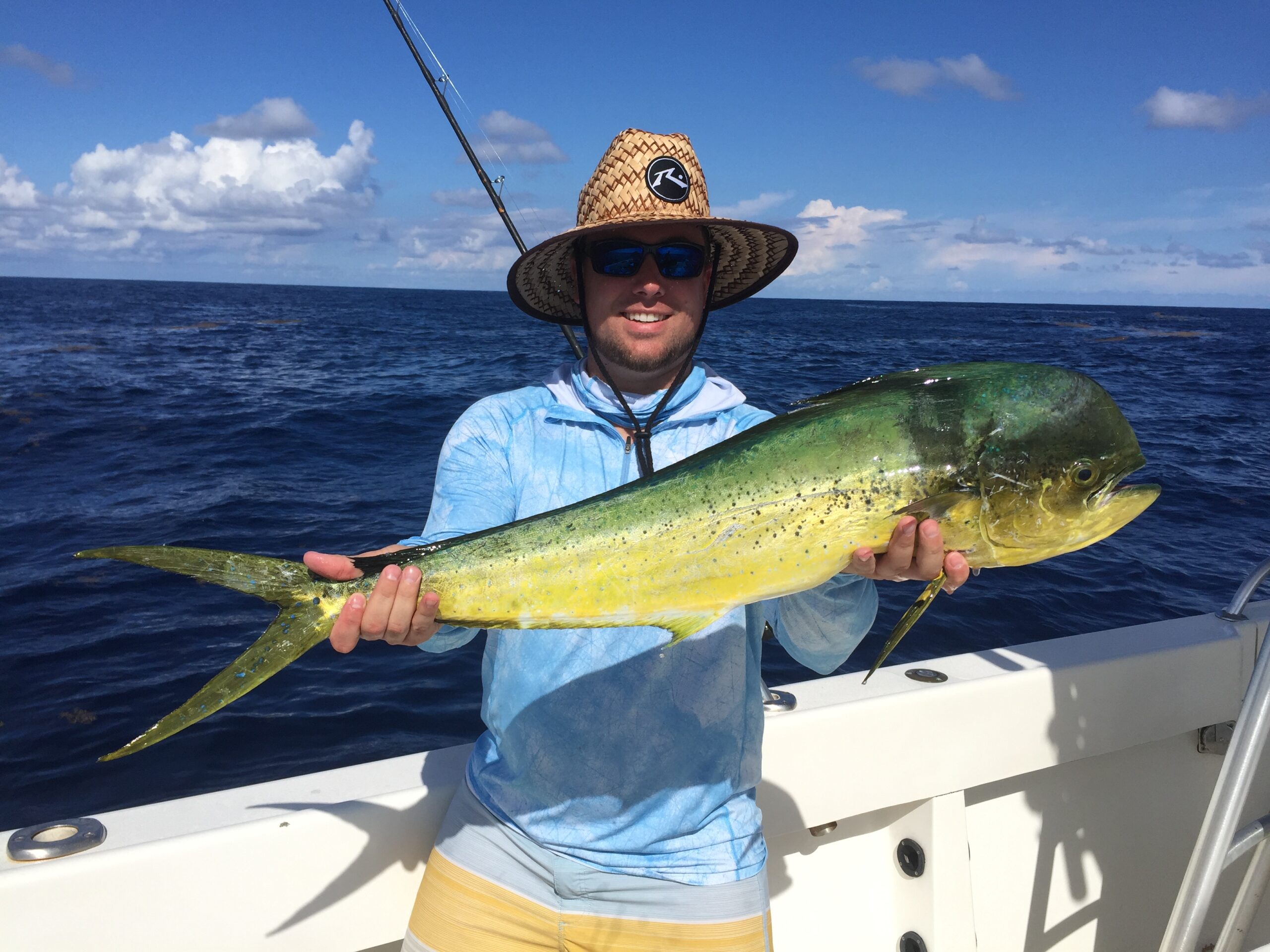
Cleaner water has Fort Lauderdale’s offshore bite looking sharp, and blackfin tuna are right in the middle of it. The key detail is not just that tuna are showing up, but that trips are producing a full mixed spread of sailfish, mahi-mahi, blackfin tuna, and kingfish, which is exactly what spring can look like when South Florida settles into the right offshore rhythm.
That matters because this is not a one-species story. When the current lays down, the water clears, and bait stays around the same edges, blackfin often show up alongside the rest of the offshore pack. In Fort Lauderdale, that has created a bite that feels broader, steadier, and more useful than a brief flash of fish that comes and goes in a single tide.
Where the bite is setting up
May is the big month here, and Greater Fort Lauderdale’s offshore grounds are in their prime window. Blackfin tuna are most abundant in May, and they are commonly found within a few miles of the beaches in about 150 to 300 feet of water, which keeps the action close enough for a quick run off Port Everglades Inlet or Hillsboro Inlet.
That nearshore edge is part of why the pattern works so well. The fish are not out on some distant edge that takes all day to reach, they are holding where bait, cleaner water, and current lines come together close to the beach. For anglers trying to squeeze the most out of a short weather window, that is a major advantage.
What is making the fish bite
The biggest signal in the report is cleaner water. When the Gulf Stream edge and offshore color improve, blackfin tuna tend to cooperate far better, and the report says the conditions have lined up well enough that the bite has stayed consistent across the board.
That consistency is the difference between a solid spring and a frustrating one. A normal spring offshore run can swing hard from day to day, but this pattern has been producing multiple species instead of forcing anglers to wait on a single perfect setup. When the water is right and the fish are cooperating, Fort Lauderdale becomes one of those rare places where a tuna trip can turn into a sailfish or mahi trip without changing the plan.
The tactics that are actually working
Three approaches keep coming up in the Fort Lauderdale reports: trolling, kite fishing, and live-bait fishing. That gives anglers a practical roadmap, because each method fits a different part of the same offshore pattern.
- Trolling keeps lines in the water while covering ground along current breaks and clean water edges. It is useful when the fish are spread out or moving with bait schools.
- Kite fishing has been productive with live bait, and it fits the spring run well when tuna are up and feeding in the upper part of the water column.
- Live-bait fishing stands out when the goal is larger blackfin. The report notes that some trips are producing smaller tuna, but live bait is the better option for bigger fish.
That last point is the one to pay attention to if you are deciding how to rig. Smaller tuna often show up first in a broad spring push, but the larger fish usually respond when the bait is presented naturally and kept in the zone. If your goal is to upgrade from schoolies to better blackfin, live bait is the move.
How to tell whether the run is still building or already peaking
The best sign that the run is still building is variety. Right now, the bite is not locked onto only tuna, it is producing sailfish, mahi-mahi, blackfin tuna, and kingfish across the same offshore window. That kind of mixed action usually means the pattern is active and still expanding as more fish slide into the clean water.
The next clue is size spread. When some trips are still seeing smaller tuna but live bait is already drawing the larger fish, that often points to a run that is still filling in rather than one that has fully crested. A peaking bite usually gets tighter, with the best water becoming more important and the fish concentrating around the strongest color change, bait patch, or tide push.
Anglers should also watch the water itself. If cleaner water keeps improving and the fish remain spread across several methods, the run can still have room to grow. If the bite starts to narrow to just one sweet spot and one presentation, it is probably moving into its peak phase.
Why May is different from a normal spring
The Fort Lauderdale spring fishery is strong because the seasonal biology lines up with the weather and the water. Florida Fish and Wildlife Conservation Commission material says blackfin tuna in southeast Florida have peak spawning from May through June, which helps explain why the fish show so well in this window.
That timing is reinforced by the numbers. FWC says blackfin tuna are a predominantly recreational fishery, with 92% to 95% of the harvest coming from recreational fishing in recent years. That is a huge share, and it is one reason the Fort Lauderdale bite matters so much to charter boats, private anglers, and the local offshore scene.
What to know before you rig up
Blackfin tuna fall under the federal highly migratory species framework, so rules matter before you fish them in state or federal waters. NOAA Fisheries requires a federal HMS Angling Permit when targeting certain federally managed tuna species, and anglers should check the tuna regulations before heading into federal waters.
FWC also notes that recreational unregulated species have a default bag limit of two fish or 100 pounds per day, whichever is more, so it pays to know exactly what is covered by the current tuna rules before the first baits go out. In a fishery this active, the last thing you want is to sort out the paperwork after the fish are already in the box.
The Fort Lauderdale takeaway
Fort Lauderdale’s spring offshore bite is not just hot, it is useful. The combination of cleaner water, close-in blackfin grounds, strong spring spawning timing, and a mixed bag of sailfish, mahi-mahi, kingfish, and tuna makes this one of the most efficient tuna windows on the South Florida calendar.
For anglers tracking the run, the important signals are simple: clean water, steady action across multiple species, and live bait starting to pick off the better blackfin. If those pieces stay in place, the Fort Lauderdale bite still has room to build.
This article was produced by Prism’s automated news system from verified source data, official records, and press releases, then run through automated quality and moderation checks before publishing. The system is built and supervised by the people who set the standards it runs under. Read our full AI policy.
Did this article answer your question?