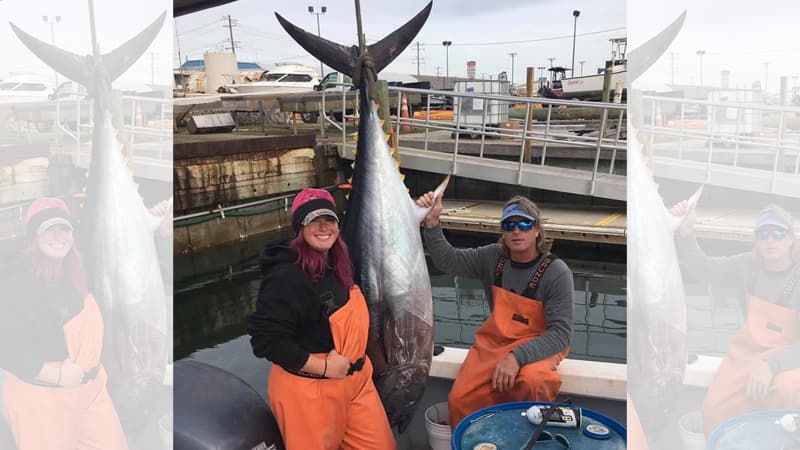
Record 535-Pound Bluefin Tuna Fetches $3.2 Million in Toyosu
A 243-kilogram Pacific bluefin tuna sold for a record 510.3 million yen (about $3.2 million) at the first auction of 2026 at Tokyo’s Toyosu fish market, purchased by Kiyomura Corp., operator of the Sushi Zanmai chain. The sale highlights renewed market demand for Oma-caught fish, offers a short-term economic boost for coastal fishers, and underscores the role of conservation and management in allowing higher-value catches.
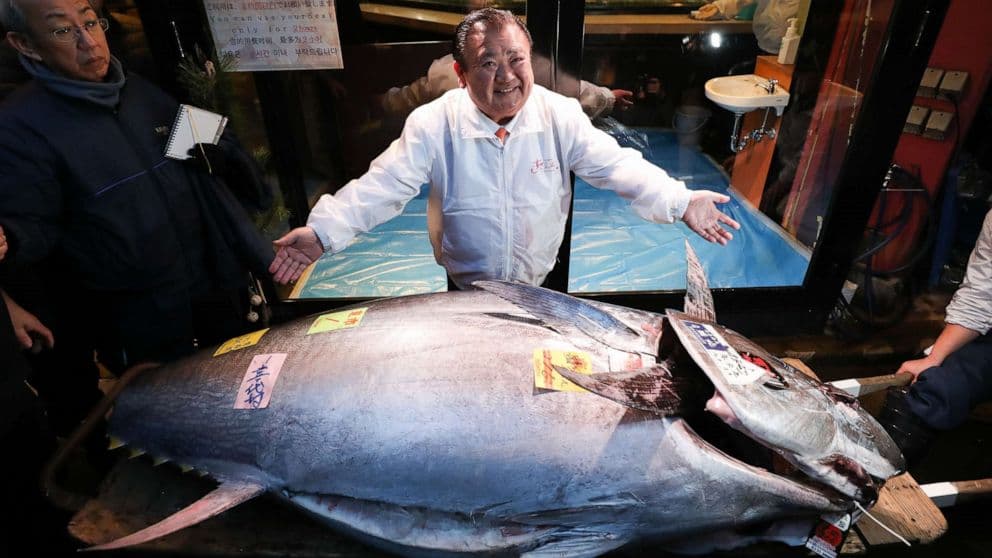
Tokyo’s Toyosu fish market opened 2026 with a headline-making sale as a 243-kilogram Pacific bluefin tuna fetched 510.3 million yen at the predawn New Year auction. Kiyomura Corp., led by Kiyoshi Kimura and operator of the Sushi Zanmai restaurants, placed the winning bid, recreating the high-profile auction atmosphere that typically surrounds the market’s celebratory first sale.
The tuna was landed off Oma in Aomori Prefecture, a coastal region long associated with premium-quality bluefin. Buyers at Toyosu examined the fish with tails removed to judge meat color and fat content before bidding, a routine inspection that directly determines market value. While Toyosu sells hundreds of tuna each day, prices spike during the New Year auction, and Oma-sourced fish often command the top bids because of established perceptions of texture and flavor.
Kiyomura said he hoped people “feel energized” by eating the auspicious tuna, and his company plans to break the fish down and serve portions across its restaurants. That plan spreads the economic benefit through a national restaurant chain and gives consumers across Japan the opportunity to taste a fish that brought extraordinary attention to the market.
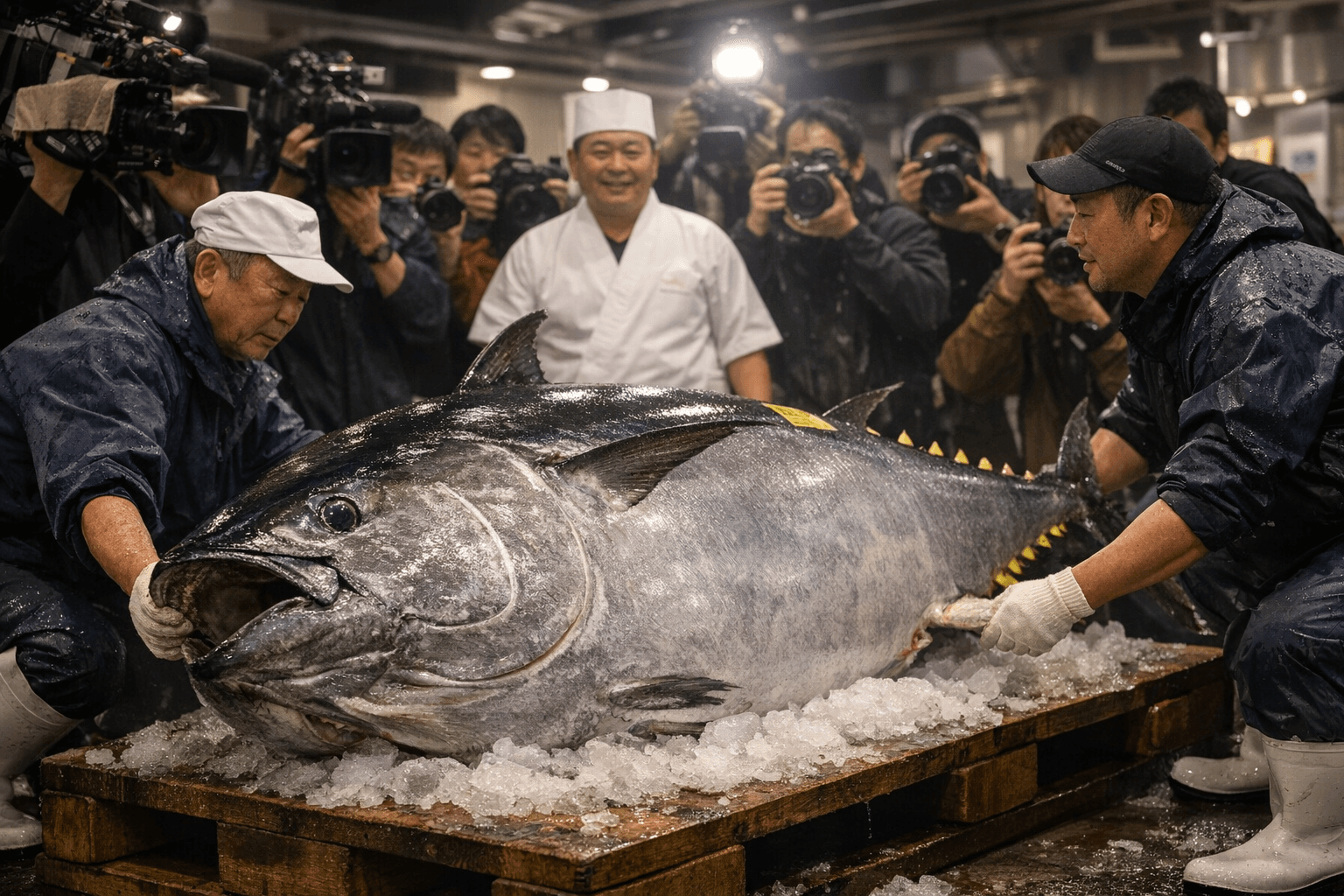
For fishers and local communities, the sale offers practical cues about market timing and handling. High-profile auctions concentrate demand and set visible price signals for the season; presenting fish in a way that highlights color and fat, including careful butchery and rapid cooling, increases chances of landing premium bids. Coastal processors and sellers can use the New Year spike to negotiate higher returns, particularly when supply from recognized producing areas like Oma is limited.
The record sale also arrives amid broader recovery signs for Pacific bluefin stocks. Conservation and management efforts are credited with helping populations rebound after years of overfishing and environmental pressures, and higher-quality, larger fish are increasingly reaching markets. That recovery creates opportunities for higher-value catches, but it also brings renewed responsibility for sustainable practices if the fishery is to remain productive for coastal economies and consumers alike.
Know something we missed? Have a correction or additional information?
Submit a Tip