Rhode Island Diesel Prices Surge 50%, Crushing Fishing Fleet Profit Margins
Rhode Island dockside diesel hit $5.75/gal, a 50% surge since February that's turning captain Ryan Roberts' $4,000 fuel bill into $8,000 overnight.

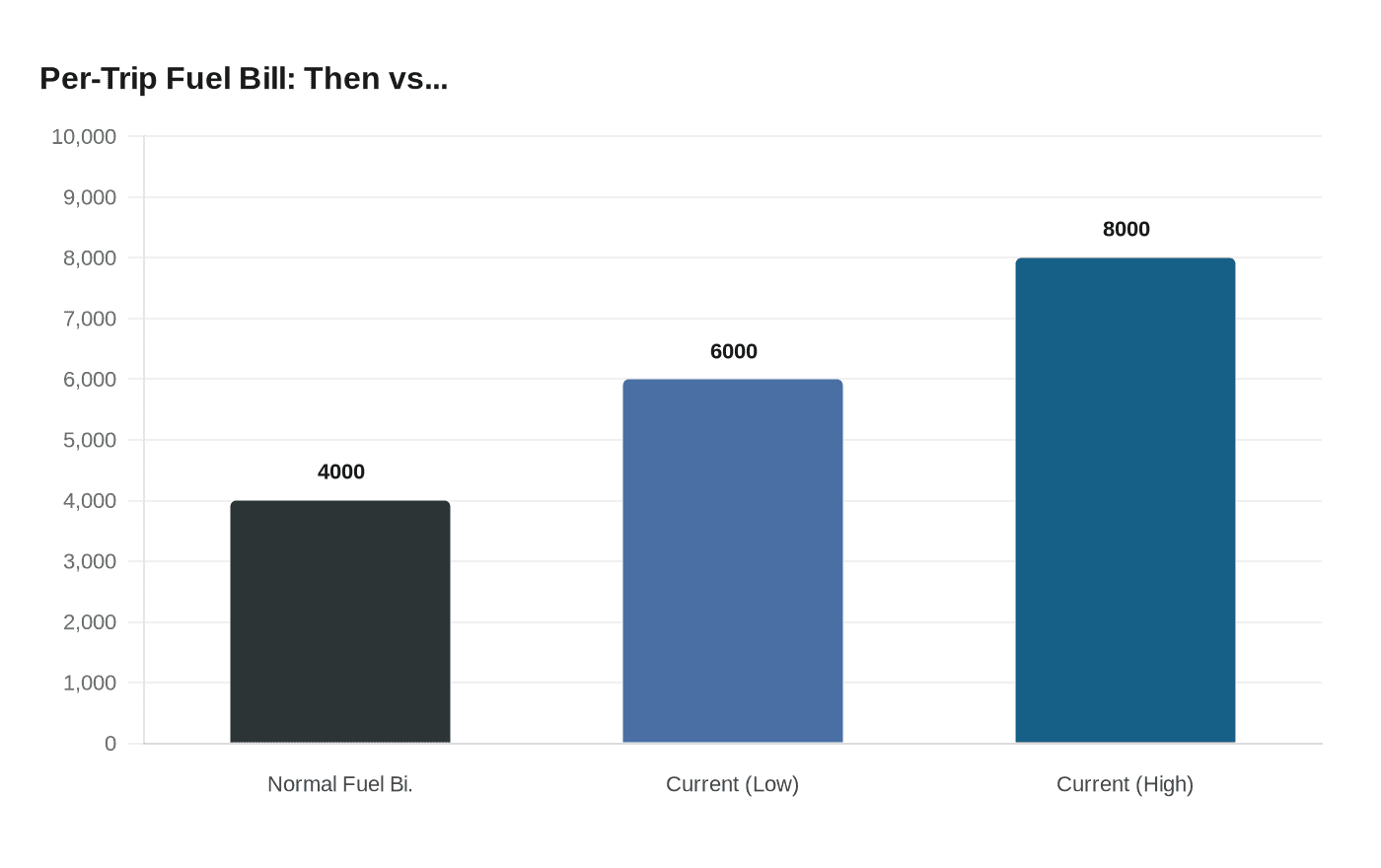
At $5.75 a gallon dockside, diesel at Rhode Island's Port of Galilee and Narragansett has become the number tuna captains and charter operators cannot stop talking about. The price represents a roughly 50% jump from February levels, and the arithmetic it produces is brutal: what veteran captain Ryan Roberts described as "normally a $4,000 fuel bill is now six, seven, $8,000."
Tim Carroll of Seaside Fuel said he hears complaints about the surge "Every day" from boat crews, a frequency that tells its own story about how fast the increase moved through the working waterfront. For offshore boats running to the canyons or the shelf edge for bluefin and yellowfin, fuel is already one of the largest variable costs per trip. At $5.75 a gallon, trips that were marginal become trips that lose money, and boats that lose money stay tied up.
Meghan Lapp of Seafreeze, one of the East Coast's major seafood processors, called the situation a "double whammy": the price hits operators at the pump, then hits again through elevated trucking and distribution costs as catch moves from the dock to market. That simultaneous compression on both ends is squeezing margins from two directions at once.
For recreational anglers planning tuna trips out of Rhode Island this spring, the effects will be direct and measurable. Charter operators running offshore trips burn hundreds of gallons per outing, and fuel surcharges or flat-rate increases are already a realistic outcome for boats leaving these docks. Before booking, ask operators specifically whether they've added a fuel surcharge and how it's calculated, since the answer will determine your actual seat cost, not just the advertised rate. Splitting a full charter across more rods rather than running a partial boat is the most straightforward way to reduce the per-head hit. Targeting closer grounds, the inshore lumps, the nearer shelf-edge structure, rather than committing to distant offshore runs cuts fuel burn without necessarily sacrificing fish, particularly as early-season yellowfin and bluefin have been pushing shallower. Scheduling trips around stable multi-day weather windows rather than grabbing the first open date also matters more than usual when you're burning fuel at these prices; a blown run back costs the same as a productive one.
Bait and ice prices at the dock are likely to follow the same upward curve. Rhode Island's fleet supplies large volumes of longfin squid, which doubles as both a commercial commodity and a go-to tuna bait. If sustained fuel costs keep boats at the dock and cut trip frequency, that supply tightens in both directions. Unlike land-based agriculture, U.S. commercial fishermen have no broad rapid-response subsidy mechanism to absorb sudden input-cost shocks, which means the adjustment happens through fewer trips, idle boats, and higher costs passed straight to anglers and consumers.
Over the next four to eight weeks, the realistic picture for tuna out of Rhode Island is higher charter rates, reduced trip frequency from smaller operators, and possible short-term tightening of locally sourced tuna and bait squid. Whether diesel pulls back from its February-to-April trajectory will determine how much of this spring's pain becomes a full-season reality.
This article was produced by Prism’s automated news system from verified source data, official records, and press releases, then run through automated quality and moderation checks before publishing. The system is built and supervised by the people who set the standards it runs under. Read our full AI policy.
Did this article answer your question?