Scattered Northeast tuna bite stretches from New Jersey to Maine
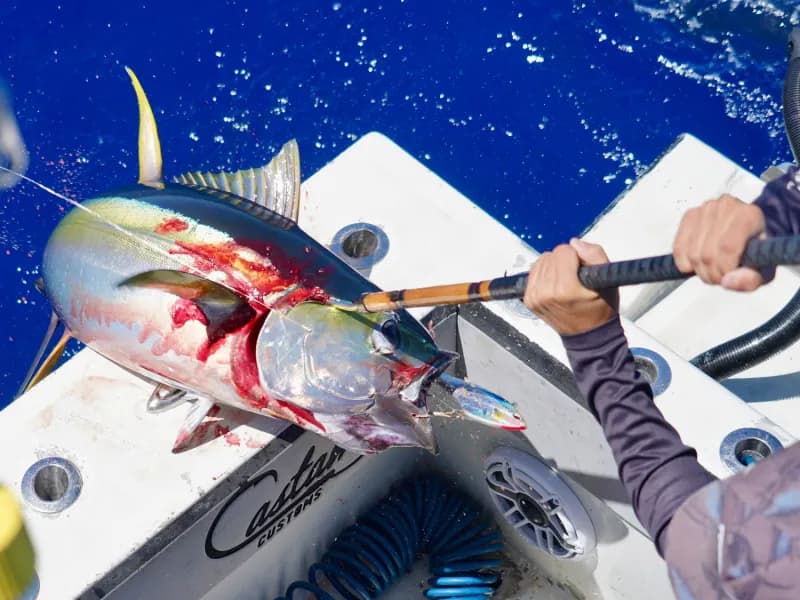
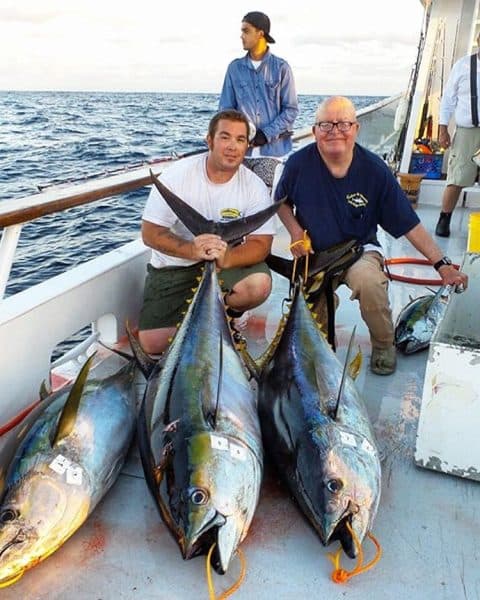
Yellowfin are loading the canyons while bluefin stretch from New Jersey to the Gulf of Maine, and the Cape Cod Bay scene is shifting too fast for old intel to hold up.
Quality yellowfin are showing up in the canyons while bluefin are spreading from New Jersey north to the Gulf of Maine. That makes the Cape Cod Bay conversation feel more like a moving corridor than a fixed hotspot. South of Block and Montauk has gone more scattered, so the anglers still cashing in are the ones reading life, water and temperature edges instead of chasing a pin from yesterday.
Two patterns, not one
The clearest read right now is that the fish are splitting by type and by zone. Yellowfin are tied to canyon water, which keeps the long-run crowd in the game, while bluefin are showing up across a wider stretch. That changes the size of the fish you might see, the range of boats that can get into them, and the kind of day you need to plan before you ever leave the dock.
South of Block and Montauk is the other key part of the map, and it is no longer a sit-on-one-spot fishery. The bite there has become more scattered, so a crew willing to cover water can still find a window while the boats that wait for a stacked-up bite get left behind. The fish are still around, but they are not advertising themselves in one easy-to-hit lane.
The clues that still matter
Three signals keep showing up together: whales, bait and clean temperature breaks. When those pieces line up, the odds improve, and when one of them is missing, the odds drop fast. Keep your eyes open for life and be ready to move if the first stop does not load up.
A canyon edge with bait but no life can look promising on paper, yet the boats finding fish are still keying on visible activity and water that makes sense.
Why the bluefin side is more complicated
The bluefin picture includes both recreational-size fish and larger tuna. Their spread creates opportunity for canyon runners, midshore boats and anyone fishing mixed structure, but it also means the fish are not all behaving the same way. One fleet may be looking for school fish, while another is set up for bigger bluefin and has to stay within the rules that govern them.
NOAA Fisheries adjusted the Atlantic bluefin tuna angling-category retention limit effective June 1, 2026. Under the new limits, private boat anglers can keep 2 bluefin tuna per trip and charter boats can keep 3 through the end of 2026, which directly affects how a trip is planned once fish show. On top of that, NOAA closed the Southern New England trophy bluefin fishery effective July 3 after landings exceeded the subquota limit, and that fishery applies to fish 73 inches curved fork length or greater.
The broader July pattern
In On The Water’s July 8 and July 1 offshore updates, tuna fishing was "on fire from Maryland to New England," and the action was expected to keep rolling as water moved through the canyons. The corridor fits what anglers are seeing now: one part of the fleet on canyon yellowfin, another part chasing bluefin farther north and in mixed water.
The 2025 offshore reports show the same summer rhythm, even if the exact geography changed. By July 2, 2025, the fishery was firing up with widespread yellowfin and big schools of blitzing bluefin, while by July 31, 2025, a fierce jig bite continued off Southern New England and yellowfin were stacked off New Jersey.
How to make the next run count
If you are planning a trip now, the smartest move is to treat the Northeast like a search pattern, not a destination fishery. The fish are telling you where to look, but they are not staying put long enough for stale intel to carry the day.
- Start with the strongest temperature break you can find, then look for life around it.
- Watch for whales and bait first, because those are still the best live signals in a scattered bite.
- Be ready to move if the first stop is quiet, especially around South of Block and Montauk.
- Match the trip to the fish you are most likely to see, since this run can put both school-size and larger bluefin in play.
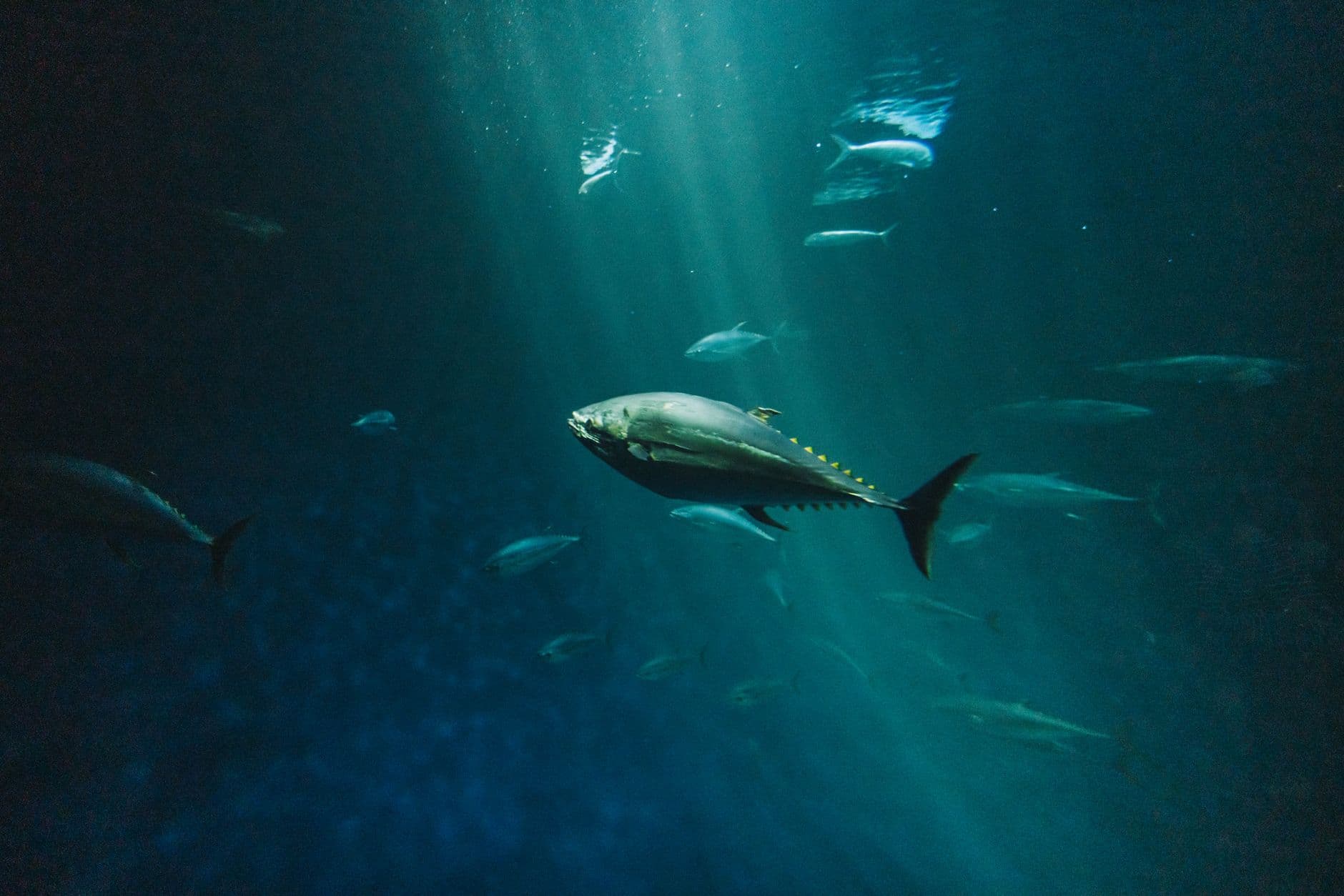
Bluefin are large, warm-blooded fish with a complicated life history.
This article was produced by Prism’s automated news system from verified source data, official records, and press releases, then run through automated quality and moderation checks before publishing. The system is built and supervised by the people who set the standards it runs under. Read our full AI policy.
Did this article answer your question?