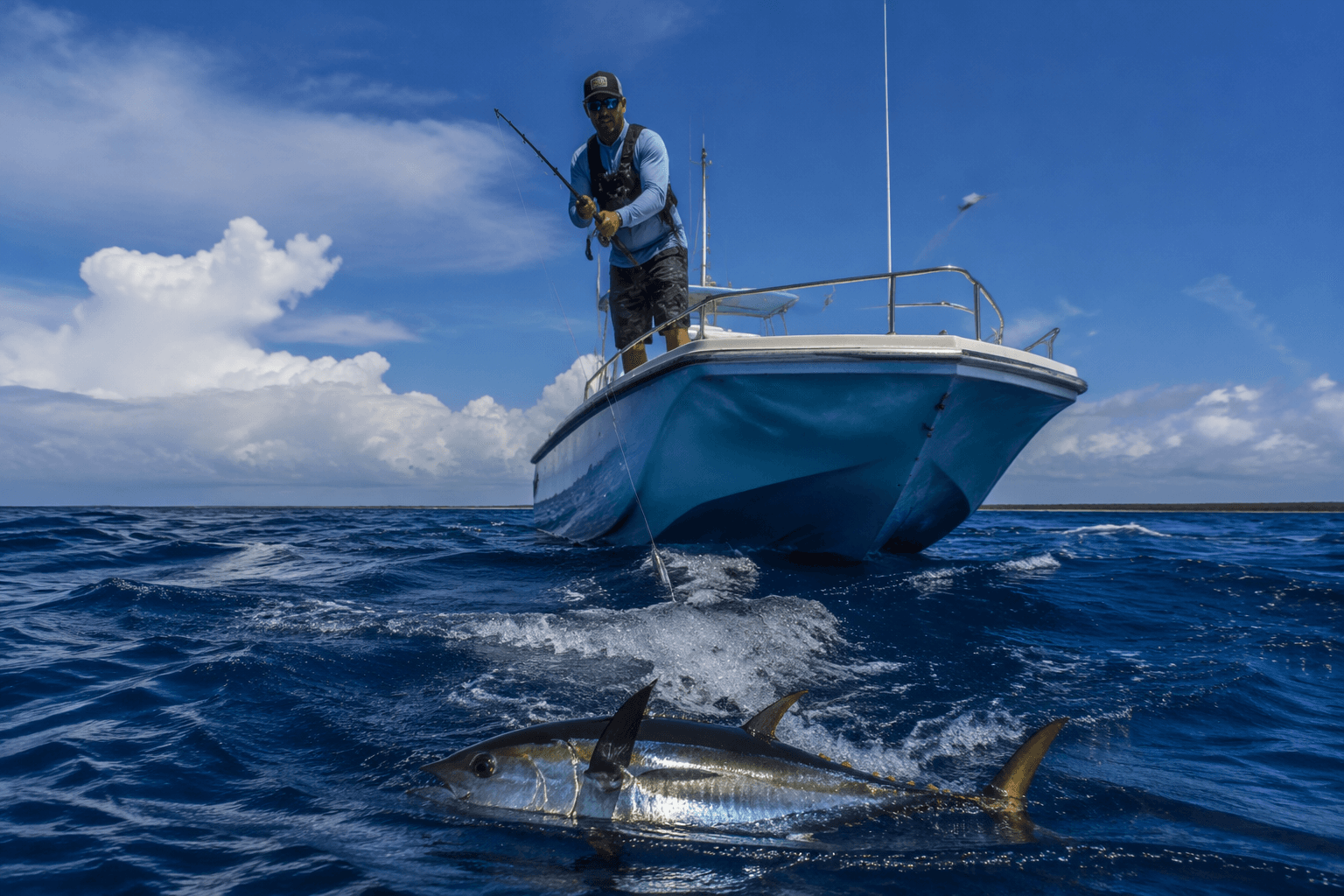
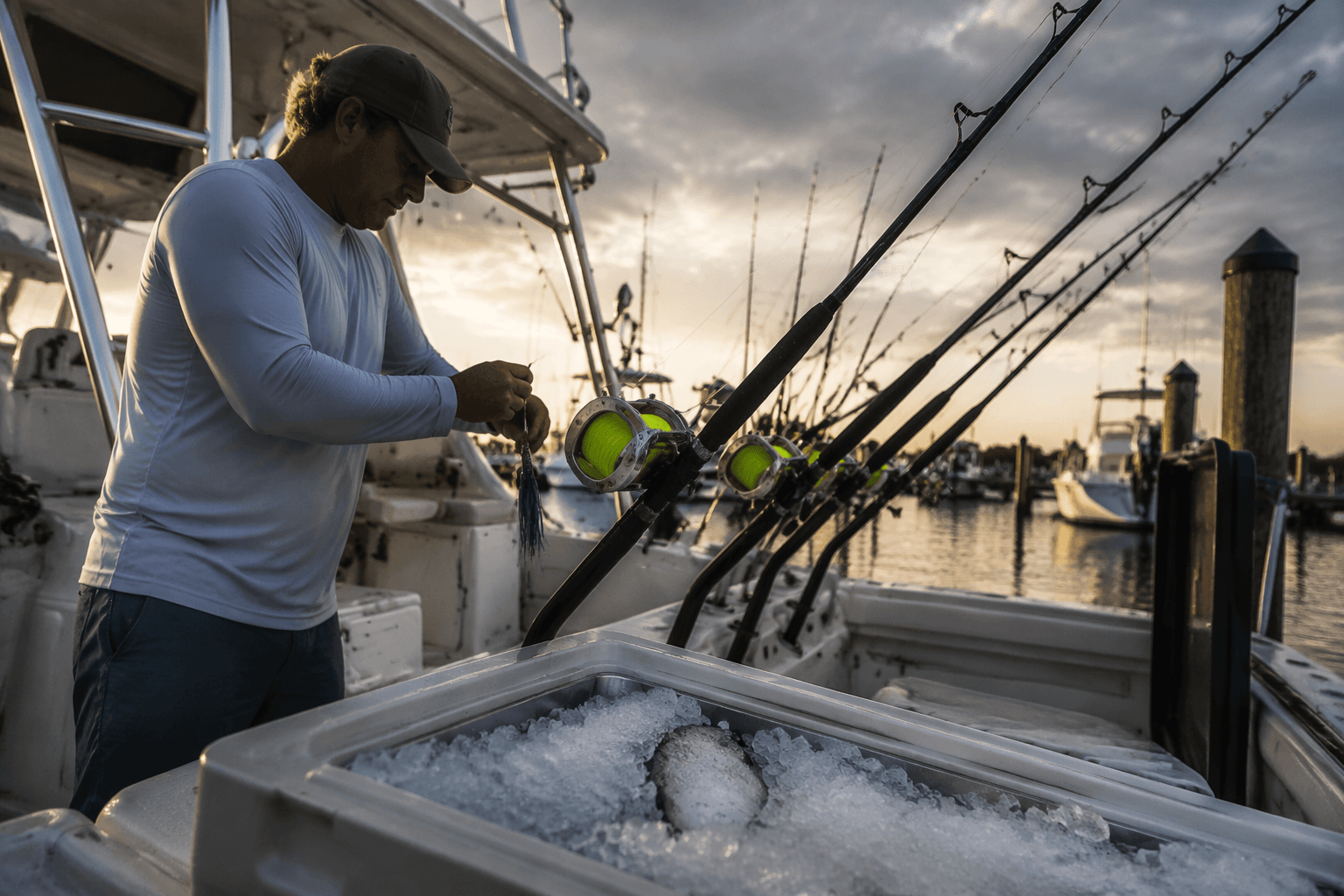
Yellowfin speed drives tackle choices in tuna fishing
Yellowfin’s 75 km/h burst speed changes everything from lure choice to trip planning. Once you know whether the report says bluefin, yellowfin, albacore, or skipjack, the whole day looks different.
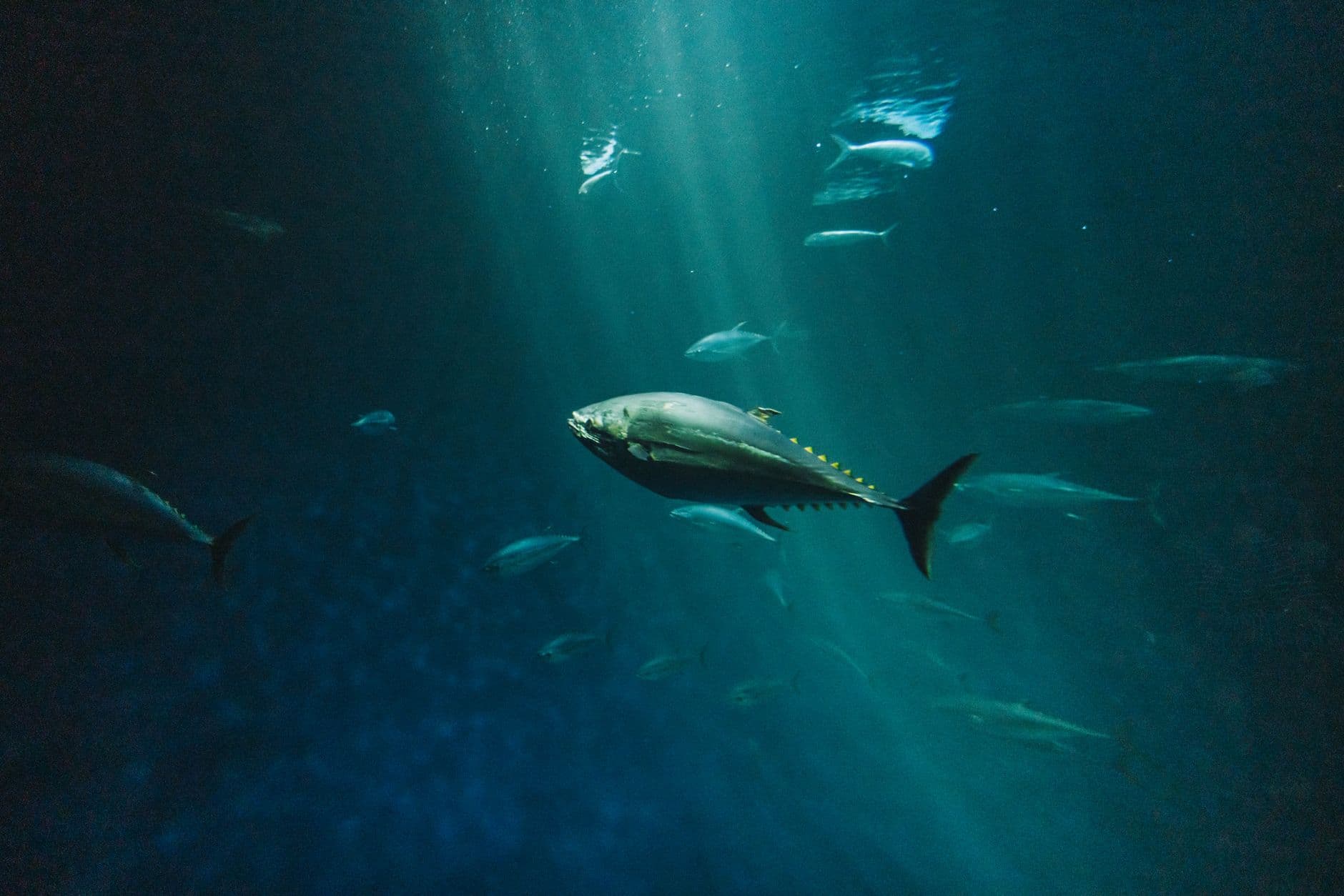
The tribe Thunnini includes 15 species, but most offshore anglers are really talking about four headline targets: bluefin, yellowfin, albacore, and skipjack. Yellowfin’s speed, bluefin’s bulk, albacore’s accessible offshore bite, and skipjack’s schooling habits point you toward different tackle, different expectations, and a different kind of day.
Know which tuna you are actually chasing
The tuna family sits in Scombridae, and in the Food and Agriculture Organization’s classification, tunas and tuna-like species are some of the largest and fastest fishes in the sea. The International Seafood Sustainability Foundation counts seven tuna species of major commercial importance worldwide: three bluefins, plus albacore, bigeye, yellowfin, and skipjack.
The first split is temperate versus tropical. Bluefin and albacore can show up in waters as cold as 10°C, while yellowfin and skipjack are tropical tunas. That difference changes where you look and how you fish. A report that names bluefin or albacore can send you hunting colder edges and broader temperature breaks, while yellowfin and skipjack usually point you toward warmer blue water and faster-moving bait situations.
Why yellowfin changes the tackle conversation
Yellowfin are built for speed in a way that forces every other gear choice into focus. West Marine puts their sprint speed at about 75 km/h, or roughly 47 mph, and scientific references often place yellowfin burst speeds in the 45 to 75 km/h range. When a fish can move that fast, a bait or lure that only looks right is not enough. It has to track cleanly, stay in the strike zone, and survive a fish that can punish sloppy presentation in seconds.
That is why a yellowfin report should make you think about a spread built for pace, not just for brute force. Your lure choices need to swim true at speed, and your bait selection has to match that same quick, clean presentation. If the crew is talking yellowfin, the important question is not just whether you have tackle on board, but whether the setup is tuned to fish that can erase mistakes before you even get a proper look at the bite.
NOAA Fisheries treats U.S. wild-caught Pacific yellowfin tuna as a smart seafood choice because it is sustainably managed and responsibly harvested under U.S. regulations.
Bluefin means heavy tackle and longer fights
Bluefin live on the other end of the spectrum in the way most weekend anglers feel it first. They are the largest tunas, and they are the fish most tied to heavy tackle, long fights, and trophy-hunting culture. A bluefin report usually means you are not planning a quick hop off the rail. You are planning for drag, endurance, and the kind of fish that can change the rhythm of a whole boat once one is hooked.
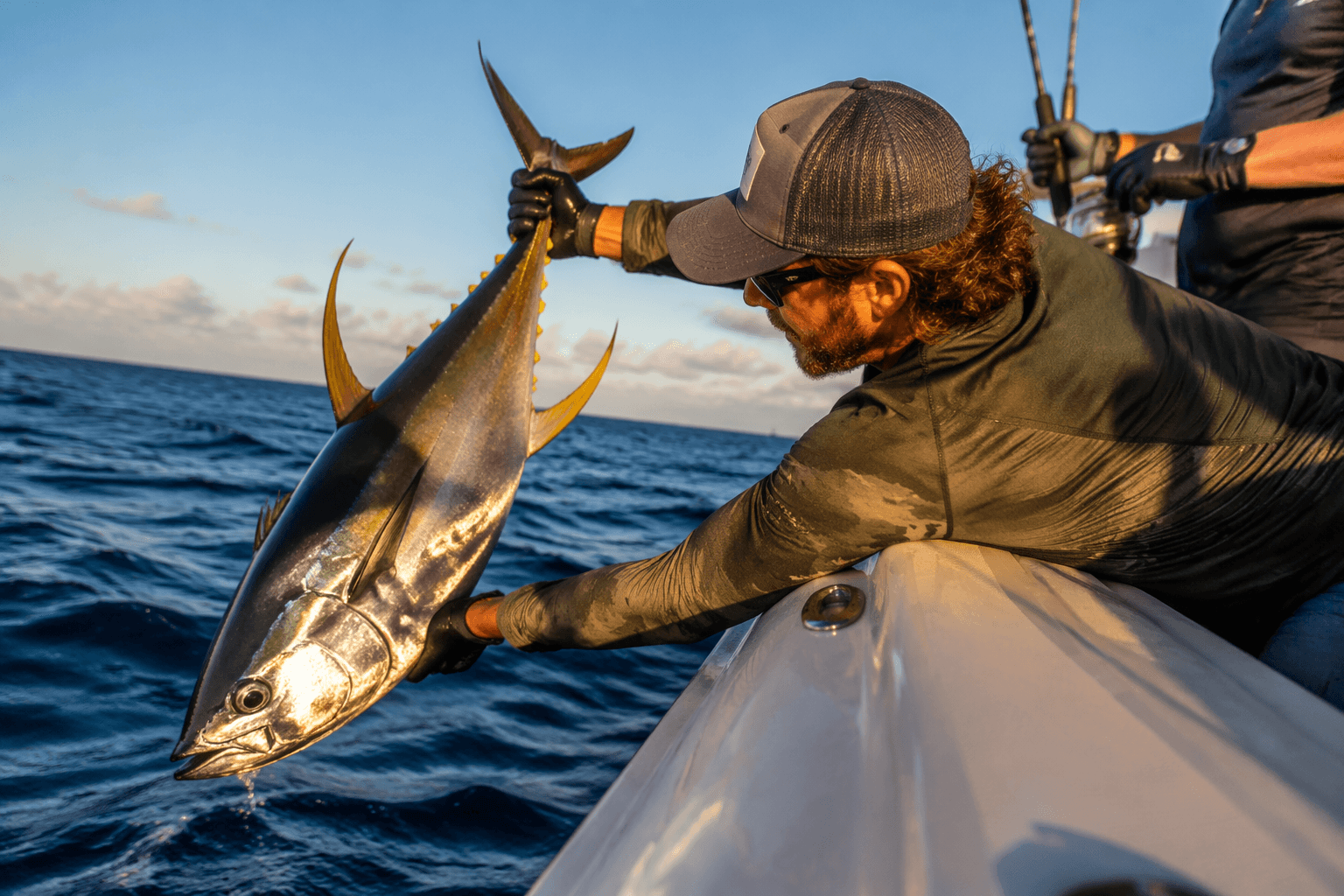
NOAA Fisheries says Pacific bluefin populations are well below target levels, even while U.S. wild-caught Pacific bluefin remains a smart seafood choice because it is sustainably managed.
Albacore and skipjack give you different clues
Albacore usually make the trip feel more accessible without making it easy. They are still offshore tuna, still hard-fighting, but they are generally the smaller, more approachable target when compared with bluefin. For a lot of crews, an albacore report signals a realistic tuna run that still tests the setup without forcing every decision into heavyweight territory.
Skipjack play another role entirely. They are the schooling speedsters, the fish that can show up in mixed tuna schools and often tell you there is life in the area. When skipjack are in the report, it can be a clue that bigger fish are nearby, which is why experienced crews pay attention instead of writing them off as bycatch. NOAA Fisheries classifies U.S. wild-caught Pacific skipjack tuna as a smart seafood choice because it is sustainably managed and responsibly harvested under U.S. regulations, and in 2014 the World Wildlife Fund said skipjack were not subject to overfishing in the Indian Ocean.
What a weekend tuna angler should infer from the landing report
If the dock report says yellowfin, think speed, clean-running lures, and gear that will not get outclassed by a fish that can sprint at 75 km/h. If it says bluefin, think heavier tackle, longer battle time, and a fish that justifies a much more deliberate approach. If it says albacore, you are probably looking at a more accessible offshore run that still rewards solid gear and good hands. If it says skipjack, treat that as a sign to watch the water closely, because schools of small speedsters can mean the tuna scene is building.
A fish with a very long history
NOAA’s historical Food Fish Facts traces tuna fishing to hundreds of years before the time of Christ; the ancient Greeks called them 'thunnos'; and ancient Incas and other civilizations harvested them along the Pacific coast of South America using two-man reed boats.
This article was produced by Prism’s automated news system from verified source data, official records, and press releases, then run through automated quality and moderation checks before publishing. The system is built and supervised by the people who set the standards it runs under. Read our full AI policy.
Did this article answer your question?