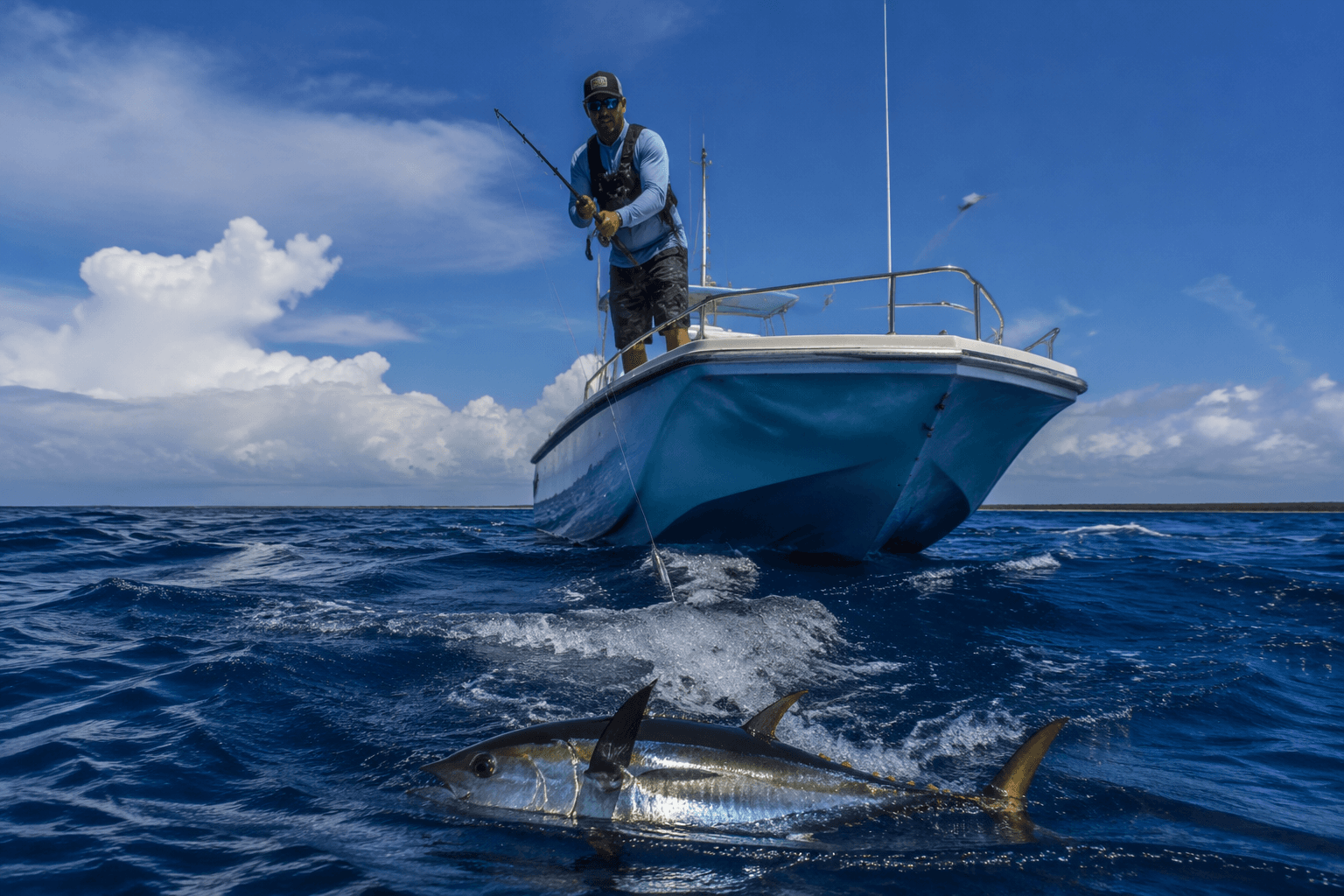
Pacific bluefin tuna quota talks end without agreement in Nagasaki
Pacific bluefin quota talks in Nagasaki ended with no deal, leaving the planned 2027 quota hike off the table and uncertainty intact for anglers.

Pacific bluefin tuna quota talks in Nagasaki ended July 14 without a deal, leaving Japan’s bid to raise the large-fish limit from 11,869 tons to 14,836 tons for 2027 and beyond stuck on the dock. For anglers planning seasons around bluefin access, the immediate takeaway is simple: no quota increase was adopted, and the rules that govern how much can be taken next are still unsettled.
The conference opened July 8 in Nagasaki, southwestern Japan, and ran for nearly a week before it closed without consensus. Japan had also proposed cutting the quota for smaller fish by 6%, but Mexico opposed the package, and the Japan Fisheries Agency said the parties could not agree on new rules for how much quotas can rise when stocks recover.
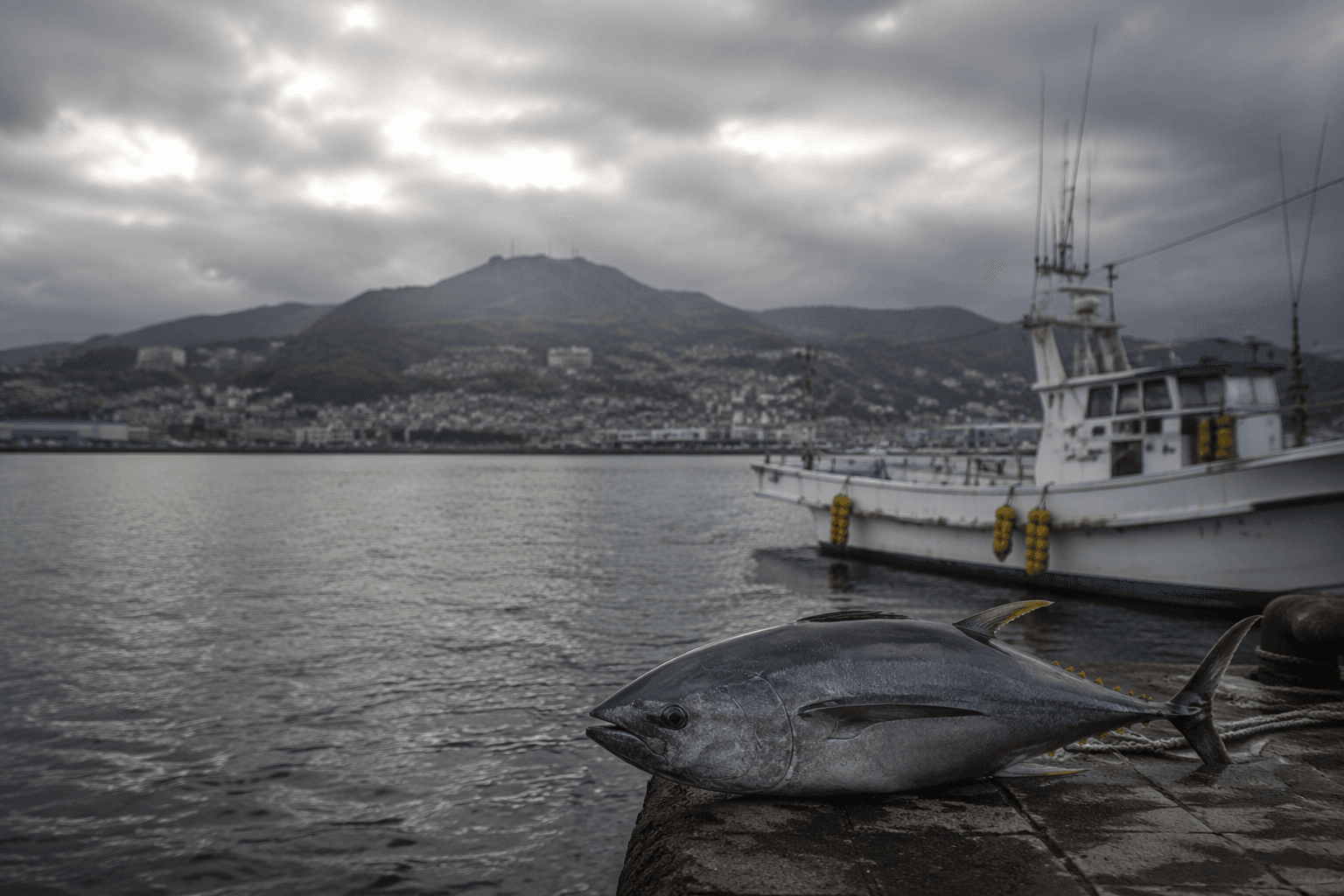
That deadlock matters because the stock has been rebuilding hard. The 2024 assessment from the International Scientific Committee for Tuna and Tuna-Like Species in the North Pacific Ocean said Pacific bluefin tuna biomass had reached its highest level since assessments began, with spawning stock biomass estimated at 90.7% of the benchmark target level. ISC recommendation material also says spawning biomass has risen rapidly since 2011 after a long slide from 1996 to 2010.
That rebound is exactly why the quota fight has gotten sharper. Japan’s proposal would have opened the door to a higher ceiling for larger fish, the class most closely watched by the bluefin fleets that target bigger models of the prized tuna in the western and central Pacific. Mexico’s resistance kept that from happening, and the conference ended with no agreement on the broader rulebook for future increases if the recovery continues.
For recreational anglers, the near-term picture is not a sudden rule change but a waiting game. The failed talks mean no new quota jump to plan around for 2027, no fresh consensus on how fast limits should climb, and another round of pressure building around Pacific bluefin just as the stock assessment points in the opposite direction from the old collapse years. Every bluefin trip, from the offshore run to the long-range schedule, now sits under that same unresolved question: how quickly should a recovering stock be opened back up?
This article was produced by Prism’s automated news system from verified source data, official records, and press releases, then run through automated quality and moderation checks before publishing. The system is built and supervised by the people who set the standards it runs under. Read our full AI policy.
Did this article answer your question?