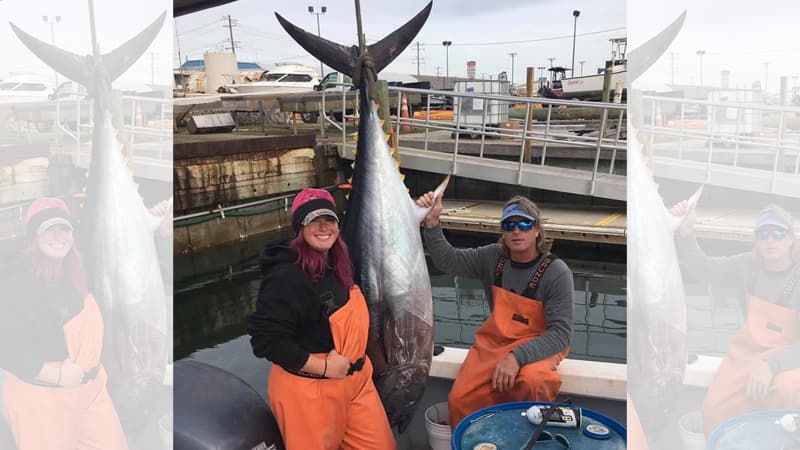
Spain Sets 537-Tonne Canary Bluefin Quota for Pole-and-Line and Artisanal Fleets
Spain set a 537-tonne Canary bluefin quota for pole-and-line and artisanal fleets, with two seasons and controls to curb early overfishing.
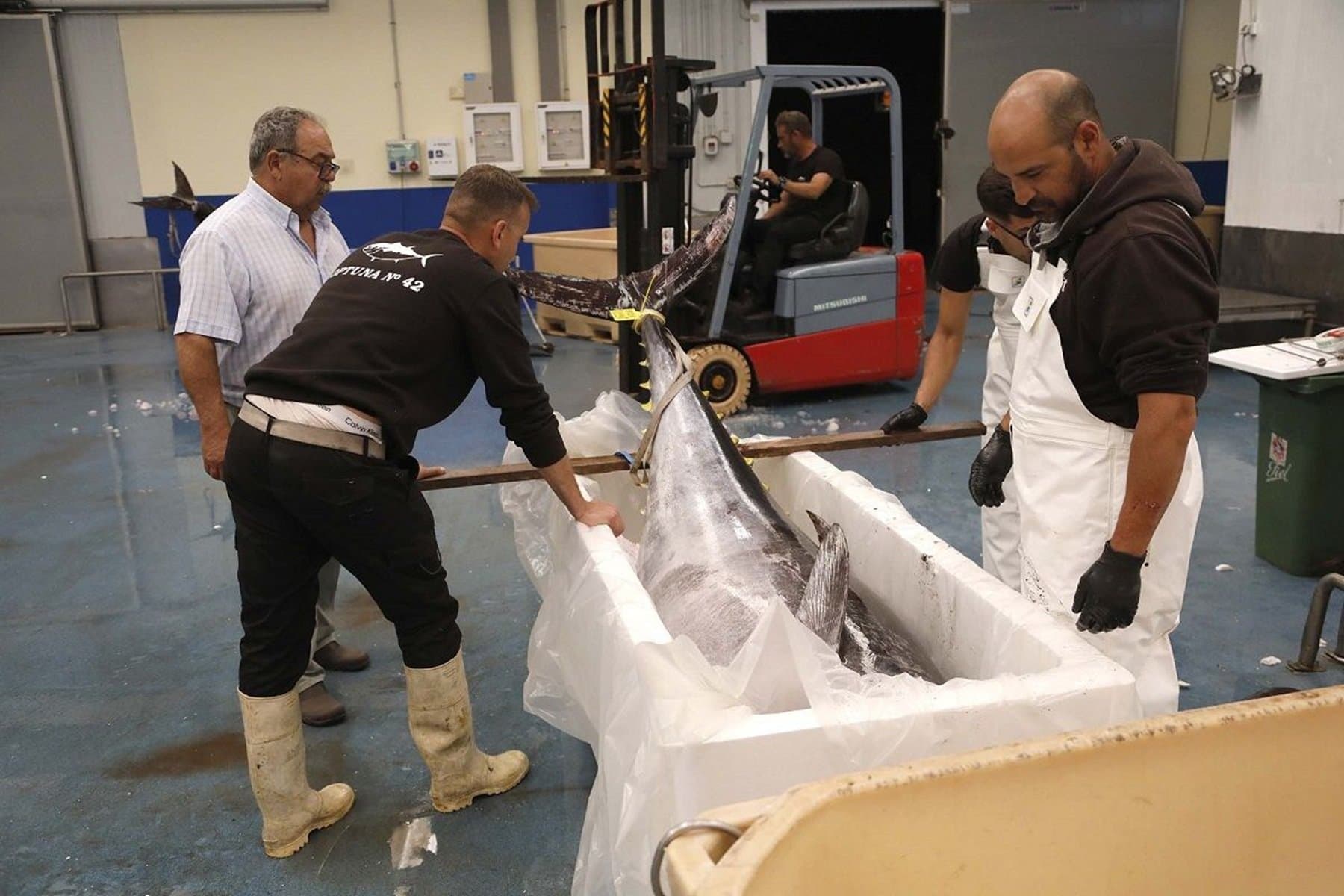
Spain's Ministry of Agriculture, Fisheries and Food (MAPA) published a 2026 campaign plan for bluefin tuna, locally called red tuna, that allocates 537 tonnes to Canary Islands pole-and-line and artisanal operations. The allocation comes with a firm cap on participation, season dates, and a suite of control measures designed to prevent early-season overruns that could trigger penalties for the region.
The Canary Islands quota is available to a fleet of up to 250 vessels and is split across two seasons: a first season running from January 20 through May 31 and a second season running from June 1 through December 31. Managers designed the split to give local fishermen predictable windows for targeting schooling bluefin with pole-and-line gear and traditional artisanal methods.
Ninety percent of the total quota is allocated with a built-in split that allows 40% for artisanal gear and 60% for pole-and-line tuna vessels. The remaining 10% is reserved specifically for vessels under 12 metres in total length. The resolution also lays out special permitting rules, options for joint management among permit holders, and provisions for vessel substitution, so operators who share quota or need to swap boats during the campaign have a clear regulatory pathway.
Enforcement provisions in the official text are operationally significant for anyone setting out to chase red tuna. If catches exceed 12% of the allocated quota before February 28, the so-called Olympic - or open - period will be closed and individual limits will be assigned to vessels. Confirmed overfishing during the campaign could lead to deductions from the Canary Islands allocation for 2027, a measure that raises the stakes for early-season monitoring and disciplined catch reporting.
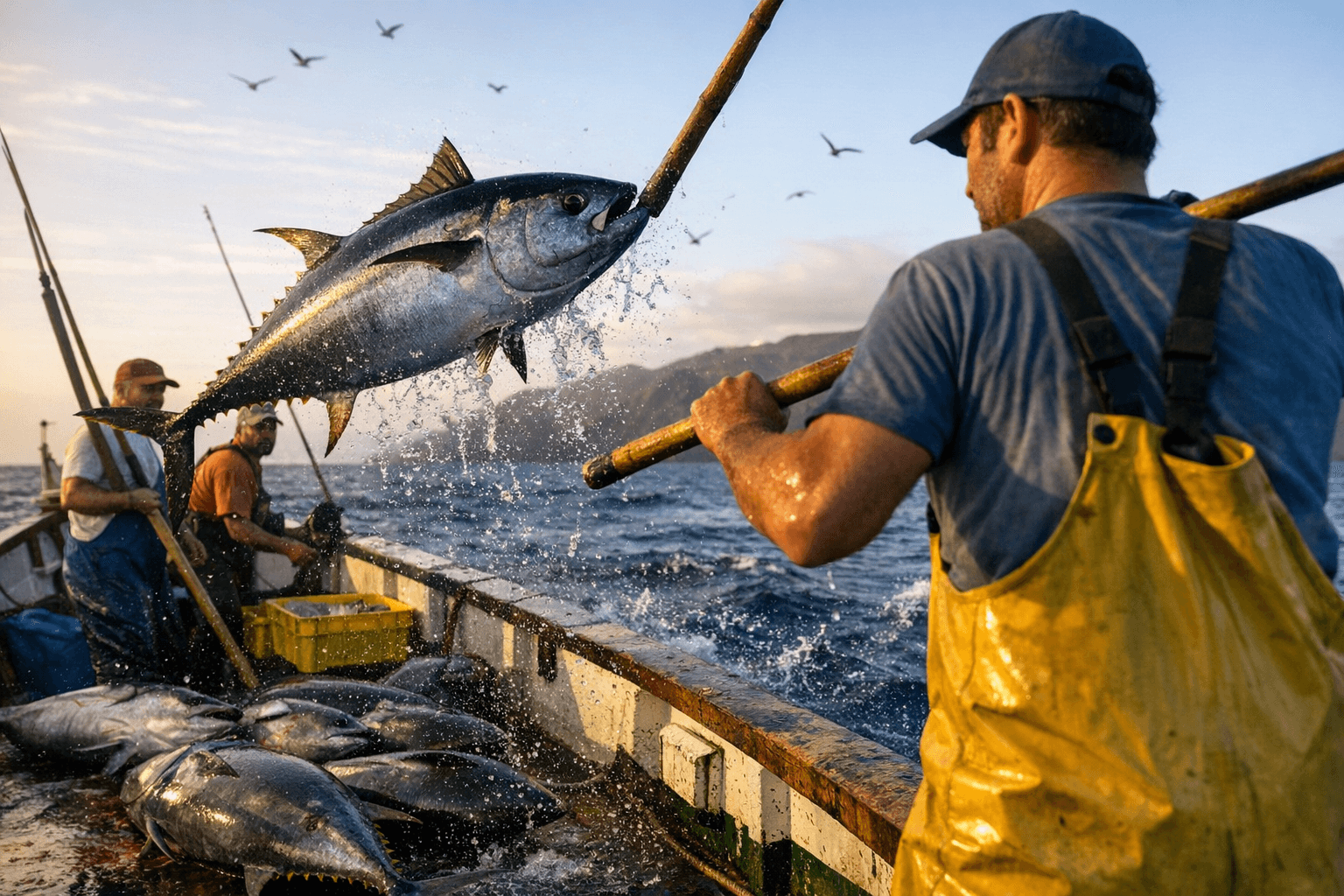
For small-scale skippers and pole-and-line crews, the practical implications are immediate. Track daily catches, coordinate within joint-management groups, and verify that permits and vessel registrations match the campaign rules before leaving port. The early-season 12% trigger makes January and February critical: a few high-yield trips by a handful of vessels could force an end to free effort and shift the season to restrictive individual quotas.
Community cooperation will be key. Accurate logbooks, timely reporting and communication among fleet members reduce the risk of unexpected closures and possible future deductions. Authorities will be watching landings and may move quickly if control thresholds are hit.
This quota decision sets the operational tempo for Canary Islands tuna work in 2026. Expect local co-ops and crews to focus on tight record-keeping and coordinated effort management as the campaign unfolds, with compliance and coordination determining whether the fleet keeps fishing under open conditions or moves into a controlled, quota-limited phase.
Know something we missed? Have a correction or additional information?
Submit a Tip