Spanish Conservas Elevate Bluefin Belly Tuna Into Luxury Cans
Bluefin belly is getting the luxury treatment because the market, the quotas, and the heritage all point the same way. The can on your shelf now says as much about tuna economics as the boat did.

Why ventresca suddenly looks expensive
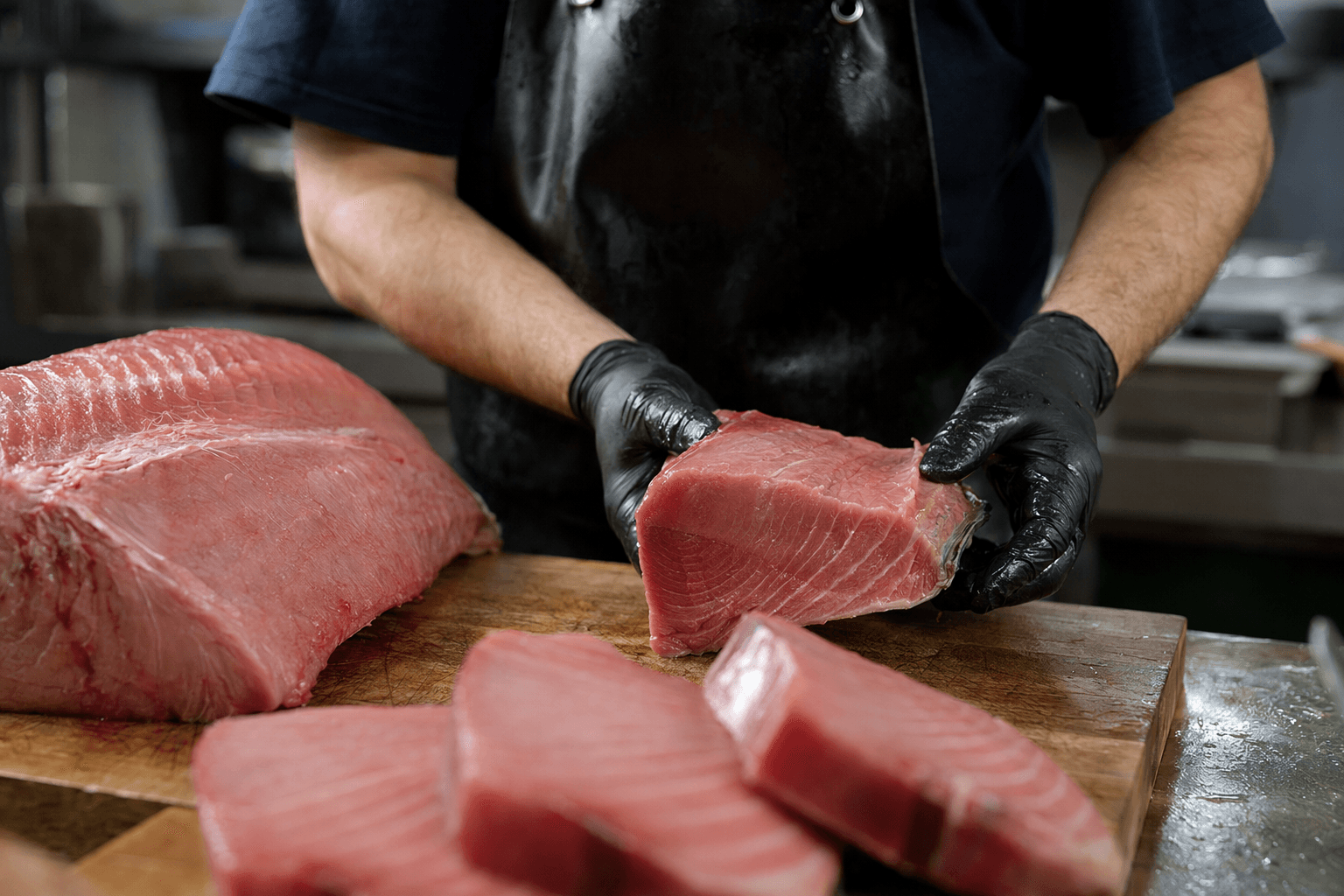
Bluefin belly has always been the bragging-rights cut, but conservas from Spain, Italy, and Portugal have pushed it into a different lane. Ventresca is the fatty belly of tuna, and in the best tins it is packed in extra-virgin olive oil, hand-finished, and sold as a delicacy instead of an everyday pantry item. That matters because it shows how much value can be pulled out of a fish after it leaves the dock, especially when the cut is the richest, softest part of a bluefin.
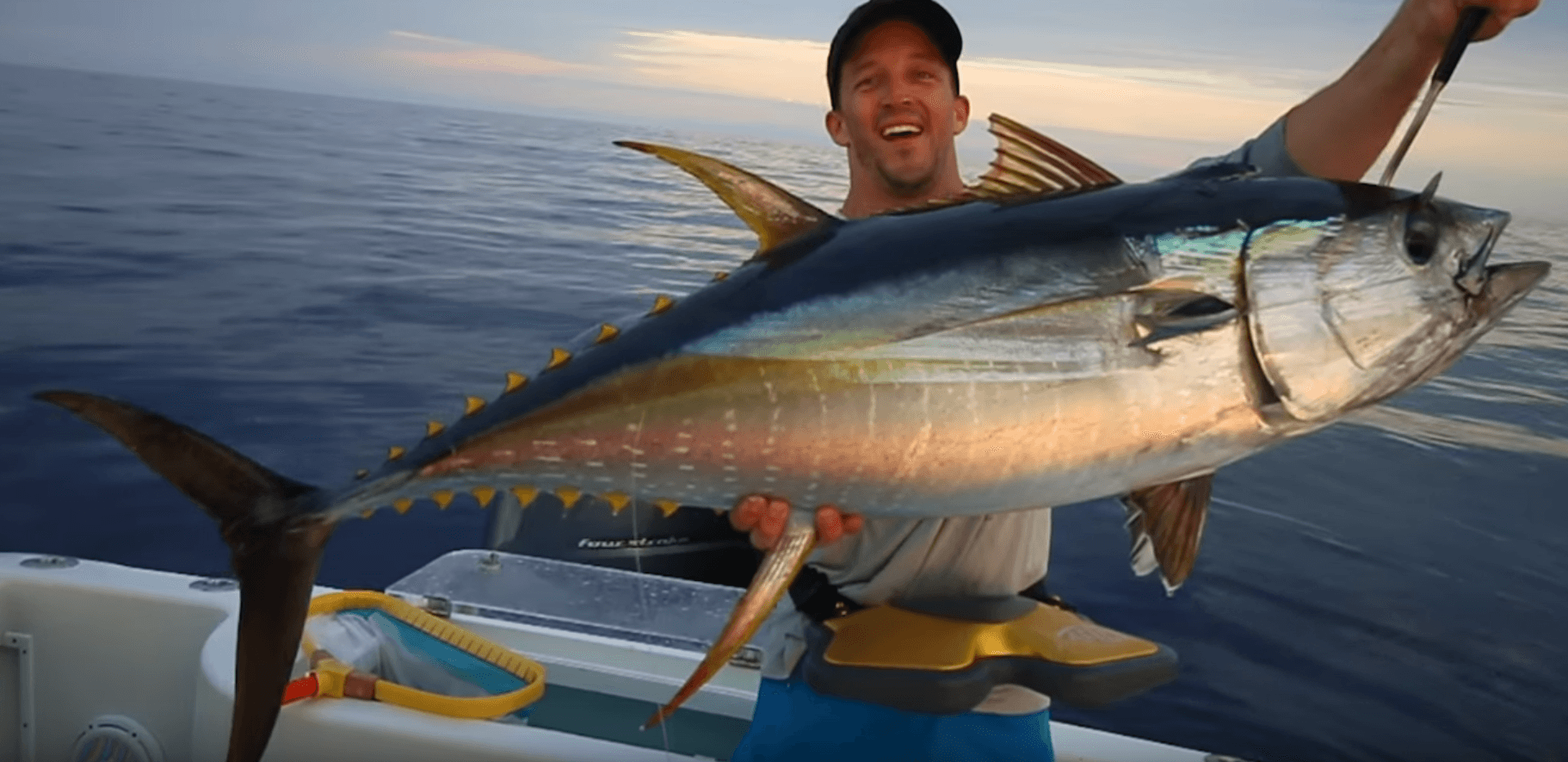
If you fish tuna for a living or chase them on weekends, the message is hard to miss: not all tuna are priced the same, and not all parts of the same fish are either. Skipjack still dominates mass-market canned tuna, albacore sits higher in the quality ladder, and bluefin lives at the premium end where belly meat can command the most attention. Ventresca is the piece that turns a familiar can into something people buy the way they buy Iberico ham or aged olive oil, which is exactly why it has become such a powerful signal of prestige.
What the market is telling you
The bigger tuna trade is moving, and not quietly. FAO said global tuna trade rose 28% in quantity and 3.32% in value in 2024 versus 2023, while the United States imported a record 230,557 tonnes of canned and prepared tuna that same year. That is not a niche luxury story. That is a market with serious scale, and it explains why high-end conservas now have room to grow even as the everyday can stays huge.
The supply side is tightening in ways that matter to both canneries and fishermen. FAO reported that in early 2025 raw material for tuna canners was in short supply and prices were rising for both skipjack and yellowfin. Industry forecasts also put skipjack at about 46% of the canned tuna market in 2026, which tells you where the volume still lives. Bluefin, though, occupies the other end of the spectrum: lower volume, heavier regulation, bigger margins, and a lot more cachet per pound.
Why bluefin belly carries so much prestige
Ventresca costs more because it is scarce, rich, and tied to a fish that already sits near the top of the tuna hierarchy. Bluefin is the fish restaurant buyers, export traders, and heritage canners use when they want to signal quality without saying it out loud. The belly cut brings together fat content, texture, and a clean, buttery eating experience that makes ordinary canned tuna look flat by comparison.
This is also where species prestige shows up in the economics. Skipjack powers the market because it is plentiful and works for the mass shelf. Albacore is often the step up consumers recognize. Bluefin goes beyond that, especially when the cut is ventresca and the packer leans hard on provenance, handwork, and olive oil. For fishermen, that premium is a reminder that one fish can be worth very different things depending on species, fat content, and where the meat ends up.
The old-world brands know exactly what they are selling
Spain is where the heritage story gets especially strong. Conservas Ortiz says it has been making canned fish since 1891 in Ondarroa and still emphasizes ancestral fishing techniques, with its ventresca product made by hand. That kind of positioning is not accidental. It tells buyers they are paying for lineage as much as they are paying for fish.
The same logic runs through other names in the premium space, including Herpac in Barbate, Balfegó in Tarragona, and Italian and Sicilian makers such as Armatore Cetara and Testa Conserve. These producers lean into bluefin ventresca preserved in olive oil because the package has to do more than feed someone. It has to justify itself as a product with origin, method, and scarcity built into the tin.
Why Cádiz, Barbate, and almadraba still matter
The provenance story is not just marketing copy. In Cádiz, the almadraba bluefin-trapping tradition is described as an ancient technique linked to 3,000 years of tuna history, and the Barbate Tuna Museum frames the local tuna tradition as stretching from the Phoenicians and Romans through the Moors and the Middle Ages to the present. That kind of timeline gives the product real weight. It is not just a premium can. It is a continuation of a fishery identity that predates the modern tuna trade by a mile.
Almadraba matters because it shows how a fishery can become culture, and culture can become price support. The method itself is older than most modern seafood brands, but it still helps tell buyers why a bluefin belly from southern Spain should cost more than a standard can of skipjack from a supermarket shelf. For tuna anglers, that is the downstream story in plain sight: the way a fish is caught can still shape the value of the meat long after the boat unloads.
Management is part of the price story
Bluefin is expensive partly because it is tightly managed, and the latest ICCAT numbers reinforce that. For 2026 to 2028, ICCAT set eastern Atlantic and Mediterranean bluefin TACs at 48,403 tonnes, up 19.3%, and western Atlantic TACs at 3,081.6 tonnes, up 13%. ICCAT also said the eastern Atlantic and Mediterranean stock no longer appears to require emergency recovery measures, which signals how far the fishery has moved from crisis response toward multi-year management.
That matters in the real world because better-managed quota can stabilize supply, but it does not turn bluefin into a commodity fish. NOAA said the United States secured the largest single-year increase in its Atlantic bluefin quota history at the 2025 ICCAT meeting, and that is the kind of move that ripples through the market chain from permit holders to processors. More quota does not erase the premium. It just keeps the premium fish available enough to remain commercially relevant.
What this means for tuna fishermen
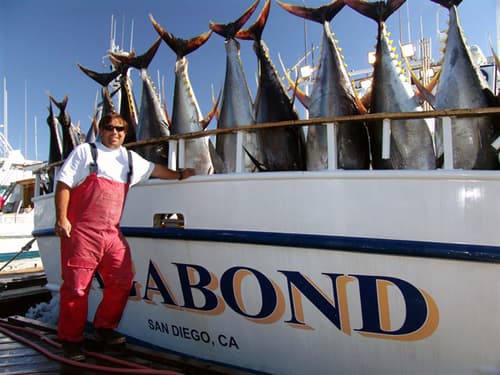
If you fish tuna, this whole conservas boom should sharpen the way you think about value. A bluefin is not just a bluefin, and a belly section is not just another fillet. The premium attached to ventresca proves that species prestige, harvest method, and cut selection still drive price even after the fish has been cooked, packed, and sealed.
The practical takeaway is simple: the market pays for story, fat, and scarcity all at once. Skipjack will keep carrying mass-market cans, yellowfin and albacore will keep their place in the middle, and bluefin belly will stay at the top where heritage brands can turn a tin into a luxury item. For anyone who pulls tuna from the water, that downstream value story is worth knowing, because it explains why one fish can anchor a cheap lunch while another ends up in a hand-labeled can sold like a trophy.
Know something we missed? Have a correction or additional information?
Submit a Tip